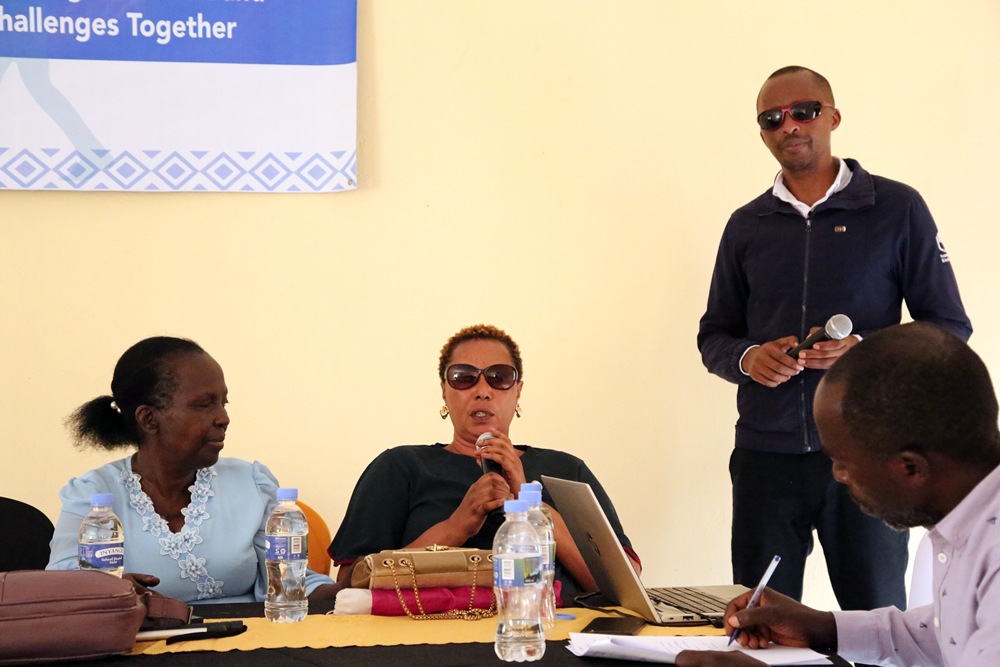
KICUKIRO, RWANDA – On Sunday, December 21, 2025, visually impaired women representing 64 associations from across the country gathered at the Masaka Resource Centre for the Blind to reflect on progress and deliberate on remaining challenges.
Held under the theme: ‘Breaking Barriers: Empowerment through Inclusion and Navigating Challenges Together’, the National Forum for Women and Youth with Visual Impairment, the first of its kind at the national level, aimed to evaluate the journey toward sustainable development and establish new strategies for empowerment.
A Shift from Exclusion to Empowerment
During the opening of the forum, Dr. Mukarwego Betty, President of the Rwanda Union of the Blind (RUB), highlighted the significant transformation in the lives of visually impaired women.
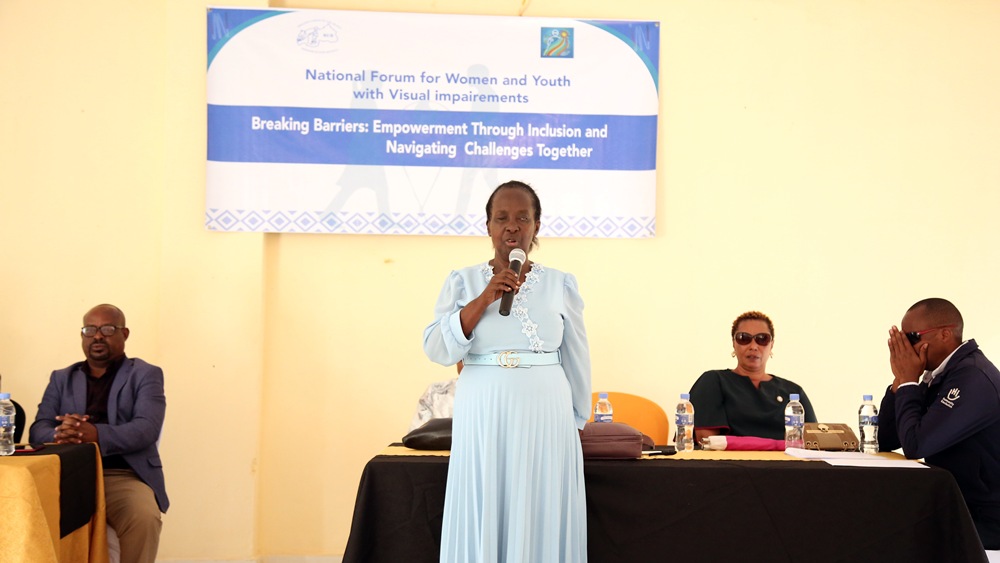
She noted that while women were previously marginalized—and those with disabilities even more so—the current environment under the leadership of President Paul Kagame has granted them a “voice” and equal rights.
Dr. Mukarwego cited her own journey as a testament to this progress, sharing that she holds a PhD and serves as a lecturer at the University of Rwanda in the Department of Education.
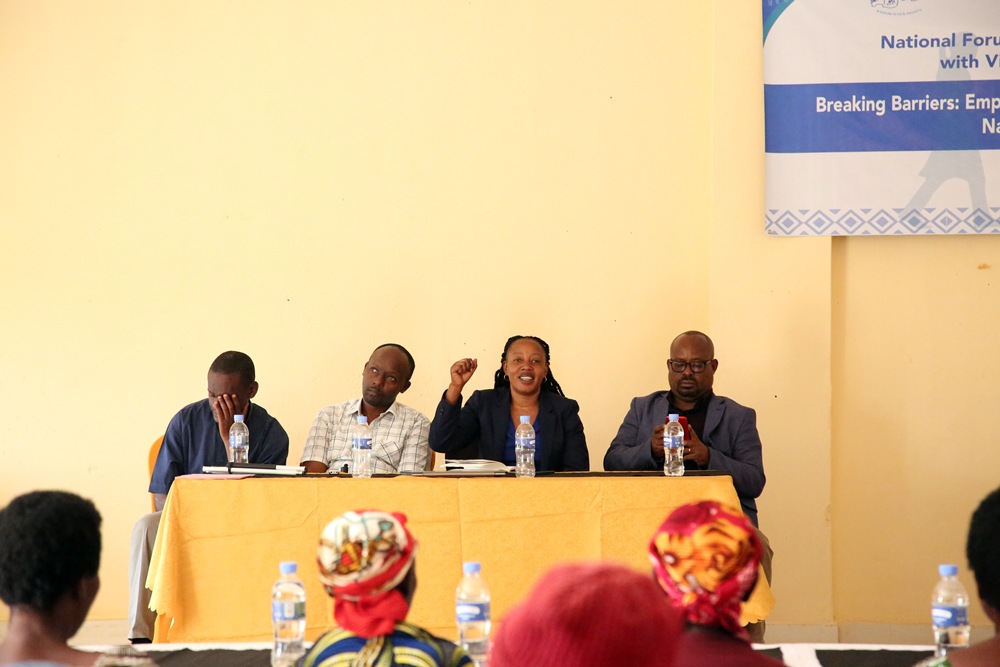
Similarly, Madam Donatha Uwitonze from the National Women’s Council emphasized that the culture of begging once associated with visual impairment is fading as women are being equipped with skills and capacity.
She noted that visually impaired persons are now ascending to high-level leadership positions that were previously inaccessible.
Advocacy for Political Inclusion
Despite these advancements, participants pointed out systemic barriers that still hinder their full participation in society.
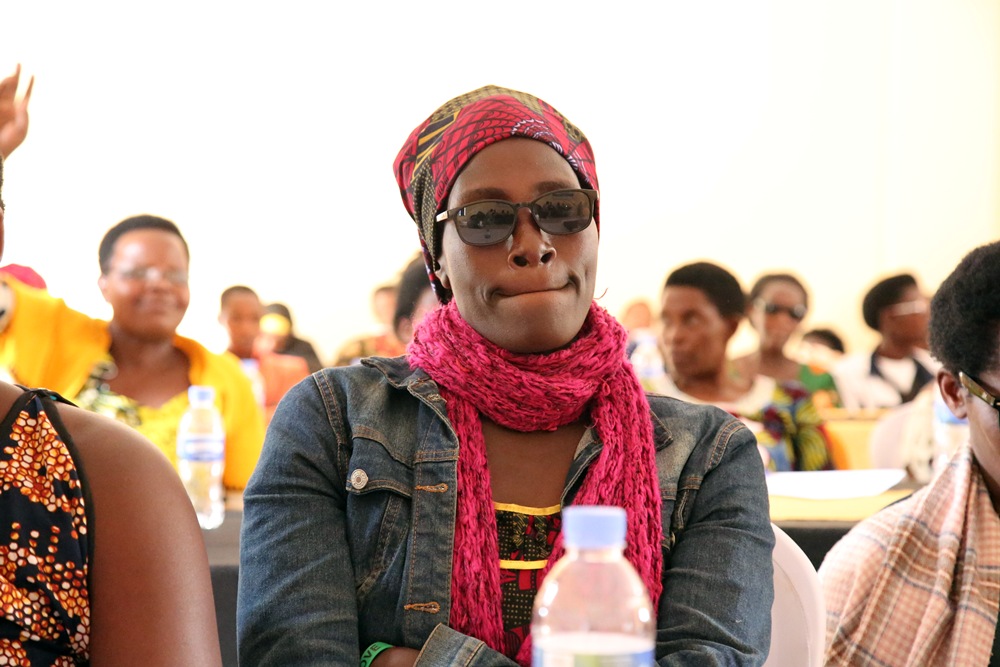
Olive Nagasanzwe, a representative from the Rutsiro District, shared a personal account of discrimination during elections.
She explained that one day she attempted to run for a position within the general women’s council structures and she was told she could only run within the specific “disability category”.
“I went home feeling ashamed,” Nagasanzwe stated, calling for advocacy to ensure visually impaired women can compete in all electoral categories.
In response, Mrs. Uwitonze pledged that the National Women’s Council would launch a nationwide campaign to ensure that a woman’s disability does not limit her right to seek leadership in any capacity.
Addressing the Shadow of Gender-Based Violence
A critical portion of the forum was dedicated to the issue of Gender-Based Violence (GBV).
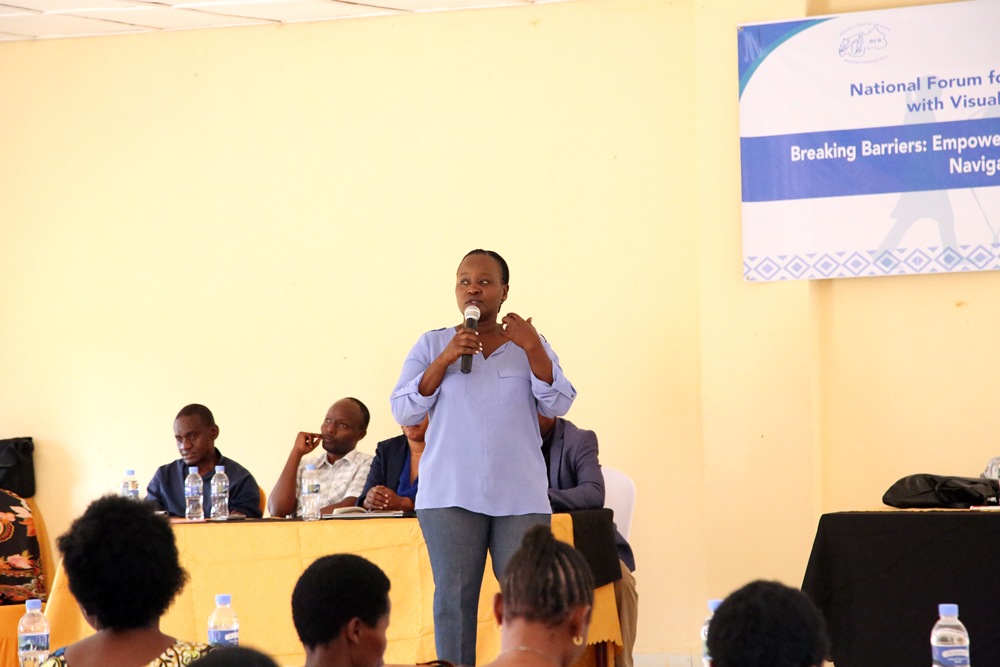
Mrs. Shafiga Murebwayire, the National Coordinator of Isange One Stop Centre representing the Rwanda Investigation Bureau (RIB), urged women not to hide the violence they face.
Participants provided harrowing testimonies, noting that perpetrators often target visually impaired women specifically because they believe the victims cannot identify them. To combat this, the following measures were discussed:
- Reporting Mechanisms: RIB encouraged the use of the toll-free number 3512 and RUB’s 8100 ( Free Toll) to report crimes immediately.
- RUB’s Role: Mrs. Murebwayire called on the Rwanda Union of the Blind to develop efficient internal communication systems to help members report GBV cases quickly.
- Public Awareness: A call was made for nationwide sensitization to remind all Rwandans of their responsibility to protect visually impaired women and girls.
A Future Focused on Cooperation
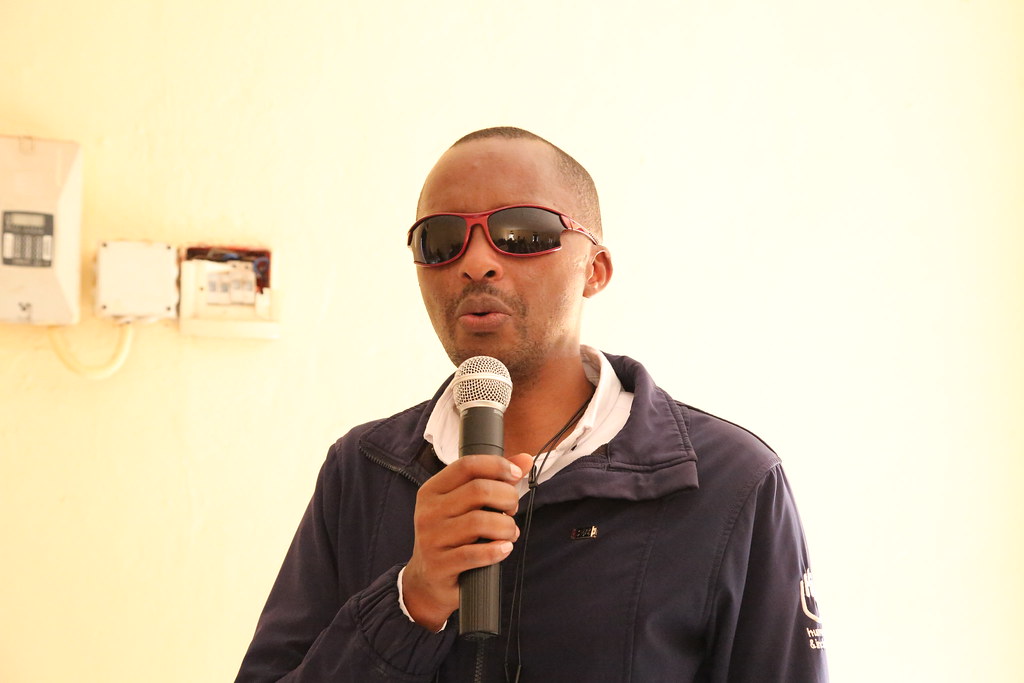
In his closing remarks, Mugisha Jacques, the Executive Director of RUB, thanked the participants and called for a unified front between the National Women’s Council, RIB, and RUB to find lasting solutions to the issues of violence and rights denials.
To ensure these issues remain a priority, the forum is set to become an annual event aimed at continuously monitoring the development of visually impaired women and youth.