The Rwanda Union of the Blind (RUB), in partnership with NUDOR and with support from AmplifyChange, has intensified efforts to combat Gender-Based Violence (GBV) and promote Sexual and Reproductive Health and Rights (SRHR) among vulnerable youth and persons with disabilities in Muhanga District.
Through a series of community-based activities conducted in April and May 2026 in Nyarusange Sector, the organizations empowered teen mothers, GBV survivors, and young people with disabilities with knowledge, psychosocial support, and access to justice services.
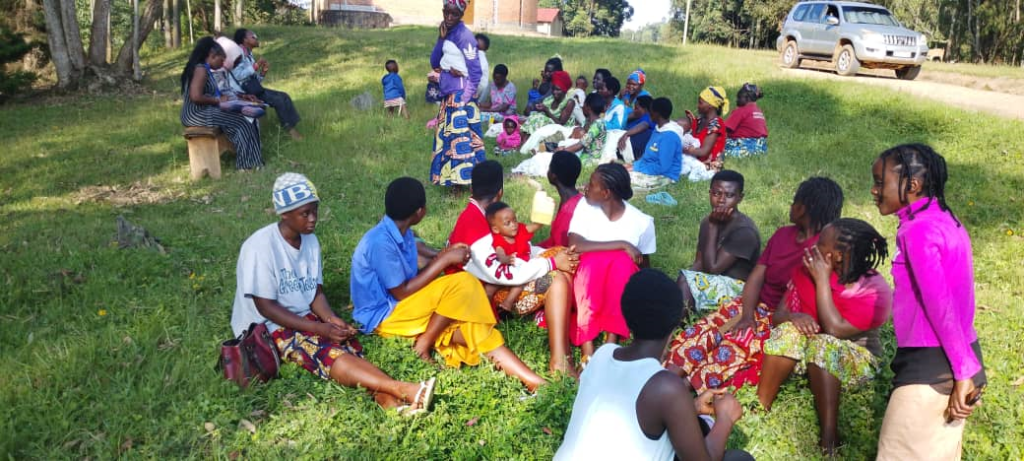
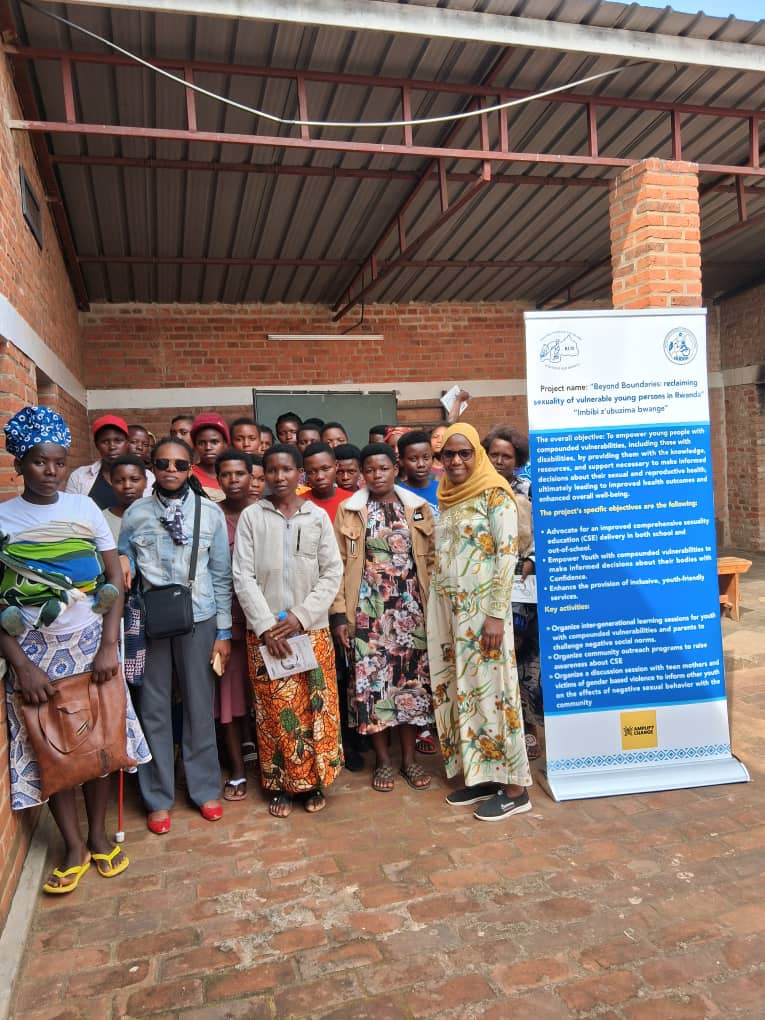
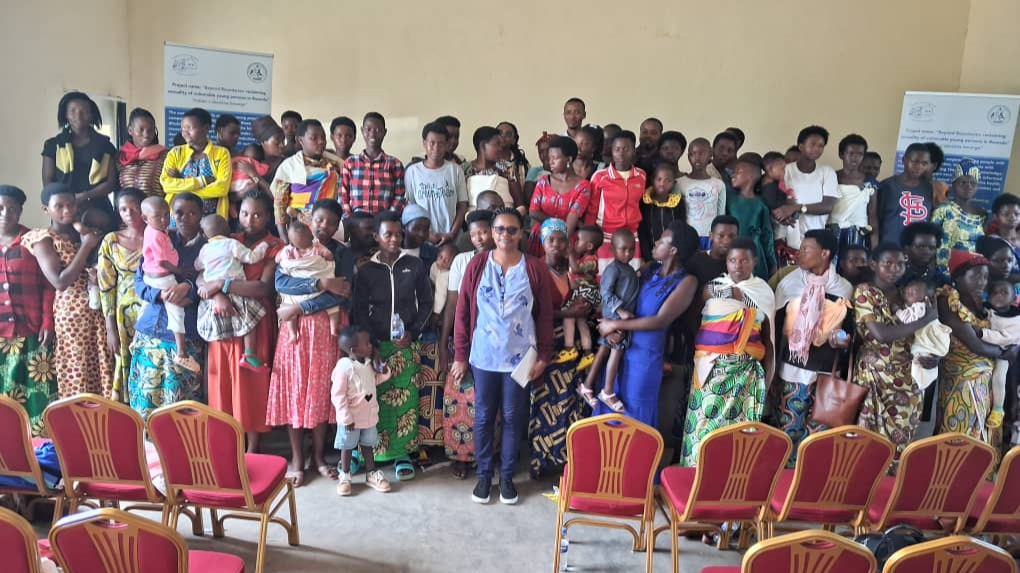
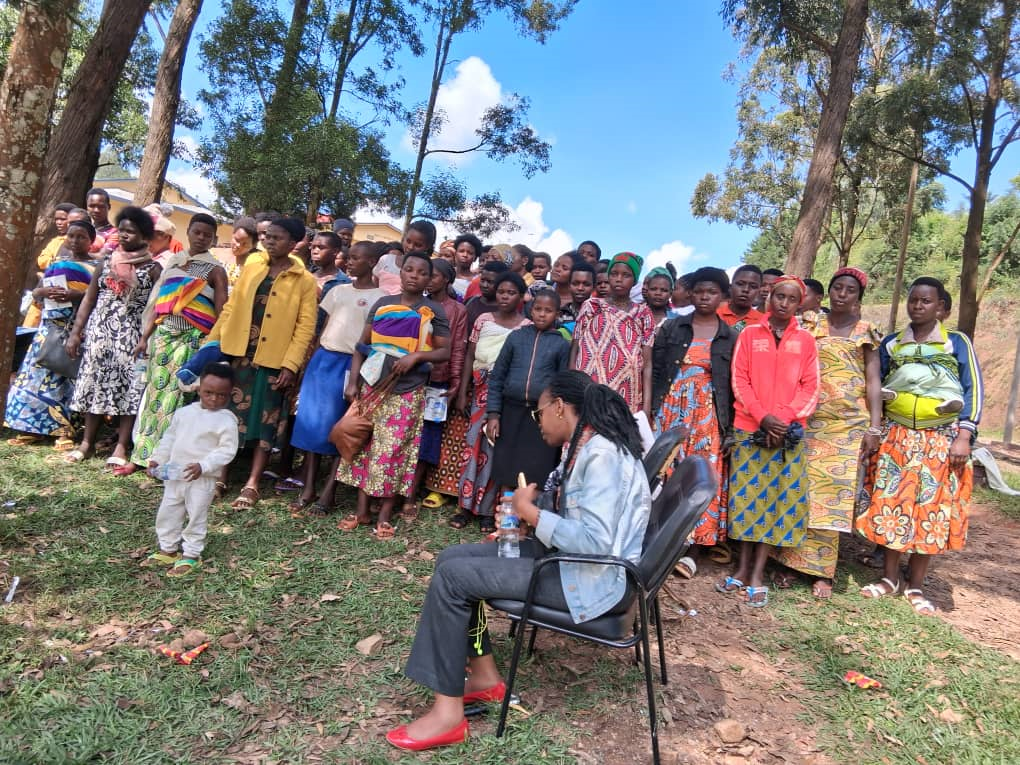
One of the key activities took place on 22 April 2026, where RUB organized a dialogue session bringing together teen mothers and GBV survivors to discuss SRHR and GBV prevention. Participants engaged in open discussions on preventing early pregnancies, making informed decisions, and understanding available support services. The activity also encouraged young people to challenge harmful sexual behaviors and become advocates for positive change within their communities.
Speaking during the session, facilitators emphasized the importance of inclusive awareness campaigns that leave no one behind, especially young people living with disabilities who often face barriers in accessing information and services related to reproductive health and protection.
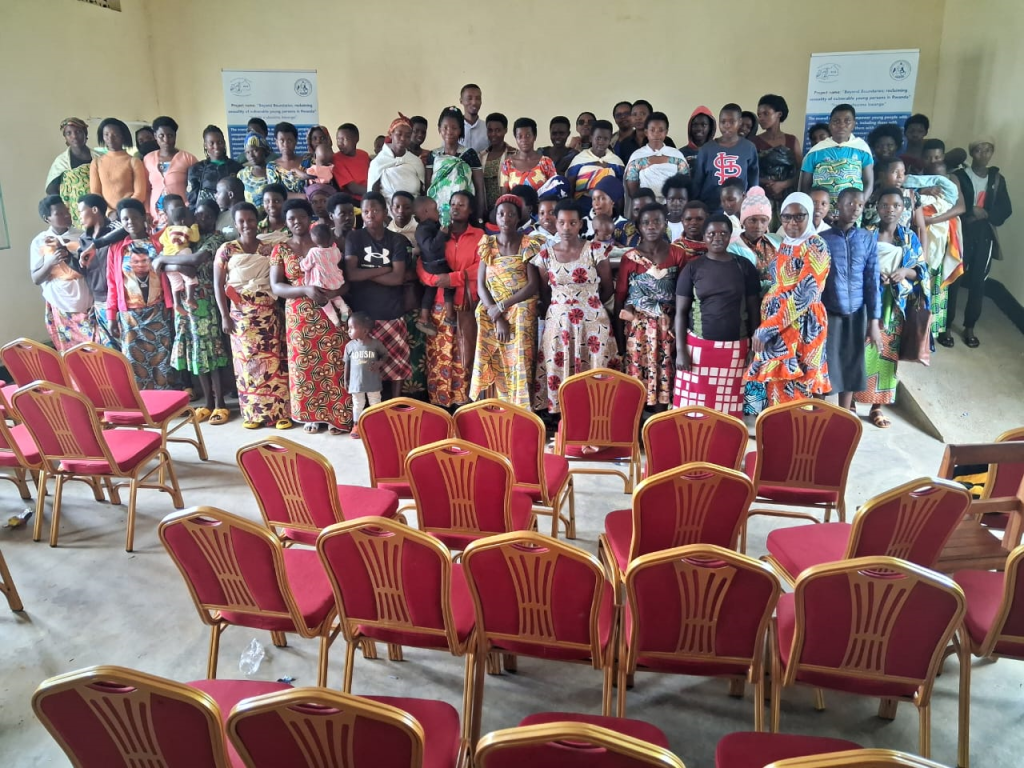
An awareness and referral activity in Nyarusange Sector, Muhanga District, to link GBV victims to Isange One Stop Center and legal services.
On 23 April 2026, another awareness and referral activity was organized to connect GBV victims with support structures such as Isange One Stop Center and legal aid services. The initiative brought together survivors, local leaders, health professionals, and legal service providers to discuss reporting mechanisms, victims’ rights, psychosocial support, and legal protection pathways.
Participants were encouraged to break the silence surrounding GBV and seek professional support without fear of stigma or discrimination. Organizers noted that many survivors often remain silent due to fear, financial limitations, or lack of information about available services.
To address some of these barriers, RUB facilitated transportation and referrals for vulnerable GBV victims on 8 May 2026, enabling six survivors from Nyarusange Sector to access counseling, health care, and legal support services at Isange One Stop Center in Muhanga District. According to the organizers, the intervention significantly improved survivors’ access to justice and psychosocial care.
The support also strengthened trust between survivors and service providers while raising awareness about available GBV response services in the community.
In another important initiative held between 29 and 30 April 2026, RUB established GBV support groups in Rusovu, Ngaru, Musongati, and Mbiriri cells of Nyarusange Sector. The two-day activity focused on resilience-building and self-advocacy among teen mothers and GBV survivors. Participants shared experiences, engaged in emotional healing exercises, and encouraged one another to rebuild confidence and advocate for their rights and well-being.
Leadership committees were also formed within the newly established groups to strengthen long-term coordination, peer support, and community empowerment initiatives.
According to RUB and its partners, the activities are part of broader efforts to promote inclusion, dignity, protection, and equal access to services for vulnerable youth, including young people with disabilities.