Admin

RUB Strengthens Local Branches Through Follow-Up Visits to Promote Inclusion of Persons with Visual Impairment

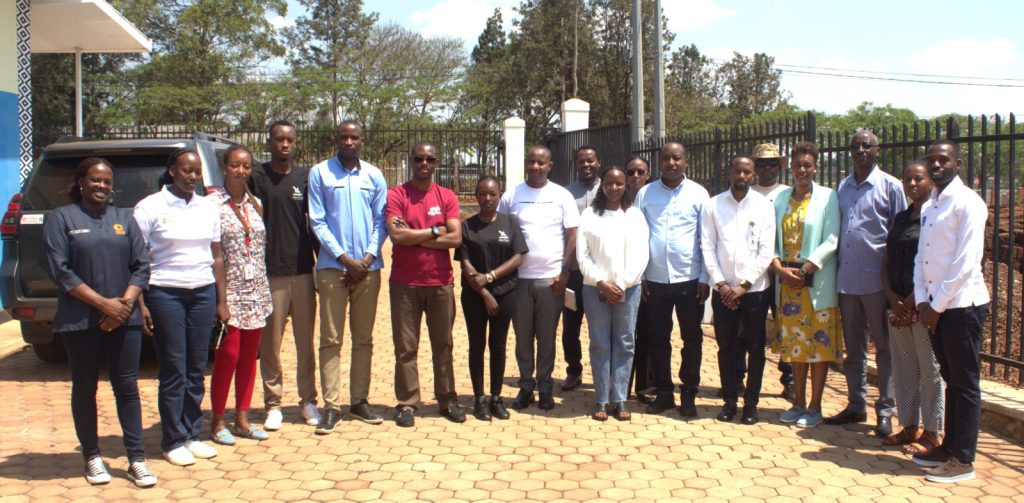
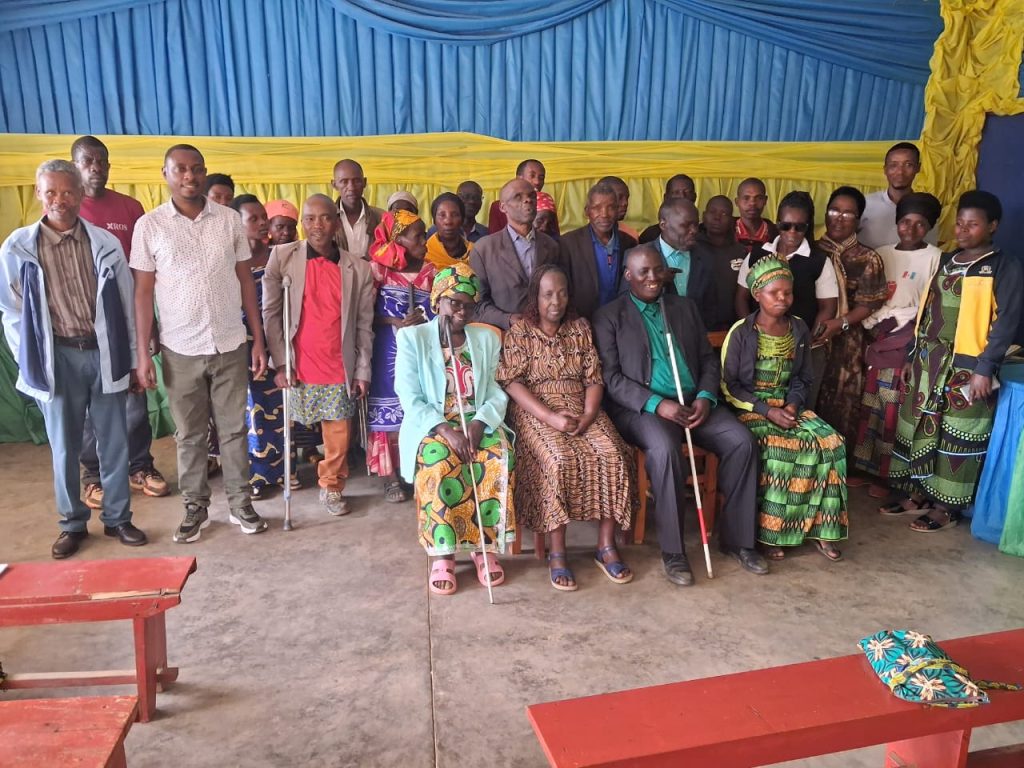
RUSIZI/KARONGI, Rwanda – The Rwanda Union of the Blind (RUB) has conducted follow-up visits to three of its local branches in Western Province to assess their progress, strengthen collaboration with local authorities, and identify challenges affecting persons with visual impairment. The visits, carried out with financial support from the Danish Association of the Blind (DAB) through the RISE Programme, covered Twisungane Rugabano, Abiyitaho Giheke, and Twisungane Kibumbwe branches. The initiative forms part of RUB’s ongoing efforts to ensure that persons with visual impairment are empowered to participate fully in education, employment, leadership, and community life while strengthening the capacity of local branches to serve their members effectively. The follow-up exercise also aimed to monitor the performance of local branches, including Training of Trainers (TOTs), encourage self-confidence and independence among members, strengthen partnerships with government institutions and other stakeholders, and identify emerging challenges requiring additional support. During the visits, RUB found that all three branches hold monthly meetings where members review the progress of ongoing activities, discuss social and economic issues affecting persons with visual impairment, and develop action plans for future initiatives. The assessment further revealed strong collaboration between the branches and sector-level local authorities, with local leaders acknowledging the positive contribution of RUB in promoting disability inclusion and supporting persons with visual impairment within their communities. The activity was conducted in close collaboration with district officials, particularly Joint Action Development Forum (JADF) Officers and Disability Mainstreaming Officers (DMOs), whose participation reaffirmed the importance of coordinated efforts in advancing the rights and inclusion of persons with disabilities. Speaking during the visits, district officials commended the commitment of the RUB branches in mobilizing members, promoting peer support, and implementing community-based initiatives that improve the well-being and livelihoods of persons with visual impairment. Beyond assessing organizational progress, the visits also showcased the talents and vocational skills of branch members. At the Abiyitaho Giheke Branch in Rusizi District, members presented handcrafted products, including a decorative flower made entirely from thread by persons with visual impairment. The exhibition demonstrated how skills development can enhance economic empowerment and challenge misconceptions about disability. RUB noted that the follow-up visits provided an opportunity to identify both achievements and persistent challenges faced by members, enabling the organization and its partners to develop targeted interventions that respond to local needs. Through the support of the Danish Association of the Blind under the RISE Programme, RUB continues to strengthen grassroots structures, promote equal opportunities, and advocate for the full inclusion of persons with visual impairment in Rwanda’s social and economic development. The organization reaffirmed its commitment to working closely with government institutions, development partners, Organizations of Persons with Disabilities (OPDs), and local communities to ensure that persons with visual impairment enjoy equal rights, access to opportunities, and meaningful participation in all aspects of society. Members of Abiyitaho Giheke Branch pose with the RUB team and the Rusizi District JADF Officer after a follow-up meeting to assess progress and address challenges facing persons with visual impairment.

RUB Strengthens Local Branches Through Follow-Up Visits to Promote Inclusion of Persons with Visual Impairment Read More »

Rwanda Union of the Blind Calls for “Precision” in Disability-Inclusive Pre-Primary Education at National Symposium

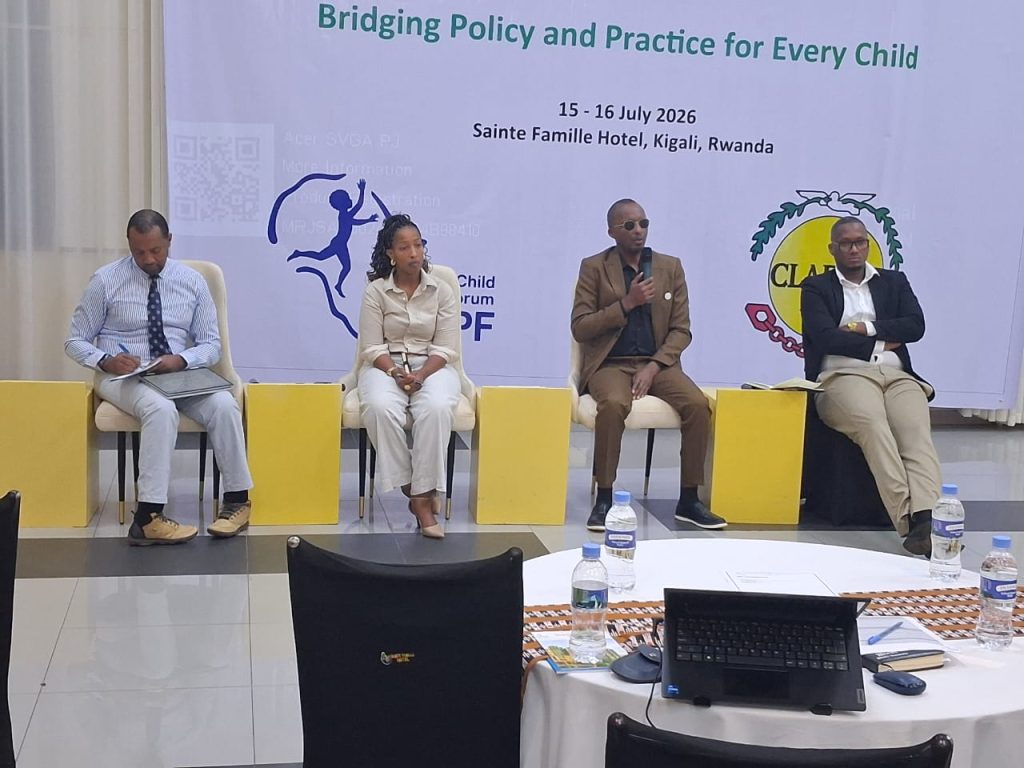
KIGALI — From July 15th to 16th, Rwanda hosted the National Symposium on Disability-Inclusive Pre-Primary Education, bringing together stakeholders to shape the future of early childhood learning. Representing the Rwanda Union of the Blind (RUB), the Executive Director, Mr. Mugisha Jaques, joined the Day 2 panel on “Disability Specific Challenges and OPD Priorities” to advocate for the targeted needs of children who are blind or have low vision. While national data presented at the symposium highlighted commendable progress—with inclusive pre-primary schools increasing from 5.7% in 2017 to 66% in 2024, and the enrolment of children with disabilities doubling to over 3,100—significant gaps remain. Mr. Mugisha emphasized that the overall inclusion of children with disabilities is still below 1% nationally. Furthermore, he stressed that blind and visually impaired children face unique barriers that frequently go unnoticed within generic “inclusive education” planning. During his address, Mr. Mugisha outlined several critical challenges currently hindering access to quality early education for visually impaired children. A primary concern is the early identification gap, as vision impairment in children under five is rarely screened at the community level. He also pointed to a critical lack of teacher capacity, noting that mainstream pre-primary educators often lack training in tactile and multi-sensory pedagogies, pre-Braille orientation, or adapting play-based learning for those who cannot rely on sight. Additionally, essential materials like tactile toys and pre-Braille kits are scarce and expensive, leading inclusive centers to rely on ad hoc improvisation rather than standardized resources. Infrastructure also falls short; early childhood development (ECD) play spaces almost never feature the tactile pathways, safe orientation markers, and sound cues necessary for blind children to navigate safely. Compounding these systemic issues is the persistent stigma and low expectations from communities, which often lead to under-enrolment before a child even reaches the school gates. Despite these hurdles, RUB is actively demonstrating effective, scalable solutions. Mr. Mugisha shared the success of RUB’s RISE project, which places trained Braille Facilitators directly into mainstream schools. This model proves that with a skilled facilitator present, blind children can successfully learn in ordinary classrooms without the need for entirely separate infrastructure. RUB also continues to partner with various donors to help learners access essential assistive technology. To build a truly inclusive foundation, Mr. Mugisha presented a set of priority recommendations to government partners and stakeholders: Institutionalize Support: Move the Braille Facilitator role from a project-dependent status to a recognized, funded position within the Rwanda Education Board (REB) teacher establishment structures. Equip Schools: Centrally fund and procure standard tactile and pre-Braille learning kits for every inclusive pre-primary center. Early Intervention: Integrate vision screening into existing early childhood health contacts, such as community health workers and health post growth monitoring. Accessible Design: Update infrastructure guidelines to explicitly mandate tactile and orientation features in play spaces, going beyond basic physical access like ramps. Better Data: Mandate routine, disability-disaggregated data collection that specifies the type of impairment, rather than just using a broad “disability” category. Empower OPDs: Formalize the involvement of Organizations of Persons with Disabilities (OPDs) in district-level ECD planning and monitoring. Addressing the assumption that these needs are already covered under general special-needs education, Mr. Mugisha was clear: “General frameworks are necessary but not sufficient; a child who is blind needs impairment-specific skills… that a generic inclusive-education teacher is not trained to deliver”. He concluded the panel with a powerful message. While Rwanda’s policy foundation for inclusive education is strong and enrolment progress is real, “the next step is precision”. Without impairment-specific investments, visually impaired persons will remain the hardest group to reach. Beyond advocacy, RUB serves as a dedicated implementation partner—supplying technical trainers, monitoring classrooms, and co-designing materials—and we stand ready to bring our experience to help close this gap.

Rwanda Union of the Blind Calls for “Precision” in Disability-Inclusive Pre-Primary Education at National Symposium Read More »

From Despair to Hope: How Rehabilitation Helped Kabera Donat Rebuild His Life

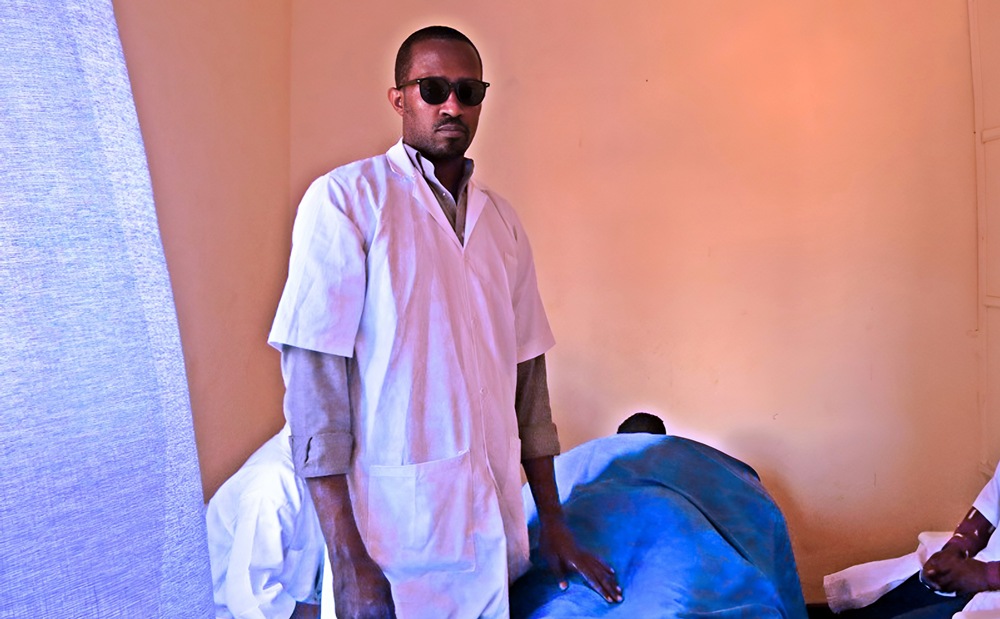
Kabera Donat, 39 years old, from Muyira Sector in Nyanza District says his life took a devastating turn when he began losing his eyesight 11 years ago. At first, he did not realize the seriousness of his condition. He believed it was a temporary illness that would improve with treatment. “Initially, I thought it was just a normal illness. I sought treatment in different places, hoping I would recover, but as time went on, I gradually lost hope,” he recalls. After several medical consultations, doctors informed him that he would never regain his sight. The news was heartbreaking. Overwhelmed by despair, Donat struggled to imagine a future where he could live independently or contribute meaningfully to society. Everything changed when he learned about the Masaka Resource Centre for the Blind, which provides rehabilitation and skills training for people with visual impairments. Determined to rebuild his life, he decided to enroll in the programme. “When I arrived here, I began to accept myself again. I realized that even though I had lost my sight, I was still capable of learning, working, and making a positive contribution to my community,” he says. Over the past six months, Donat has gained valuable knowledge and practical skills, including Braille literacy, orientation and mobility, daily living skills, and Massage therapy that are helping him become more independent and better prepared for the future. He says the rehabilitation programme has completely changed the way he views disability. “The training taught me that blindness should never be a reason to lose hope or depend on others for the rest of my life. I now believe in my abilities and in the opportunities that still lie ahead.” For Donat, the greatest lesson he has learned at the Masaka Resource Centre for the Blind goes beyond the practical skills he acquired. It is the confidence to accept himself, rediscover his potential, and believe that his future remains full of possibilities. Today, he encourages other people who are blind or visually impaired not to isolate themselves or give up hope. Instead, he urges them to seek rehabilitation services, embrace learning opportunities, and connect with people and organizations that can help them rebuild their lives. His journey is a powerful reminder that while losing one’s sight can be life-changing, it does not have to define a person’s future. With the right support, determination, and opportunities, it is possible to regain confidence, achieve independence, and build a fulfilling life.

From Despair to Hope: How Rehabilitation Helped Kabera Donat Rebuild His Life Read More »

RUB Advocates for Visually Impaired Youth at Imbuto Foundation’s National Dialogue on Reproductive Health

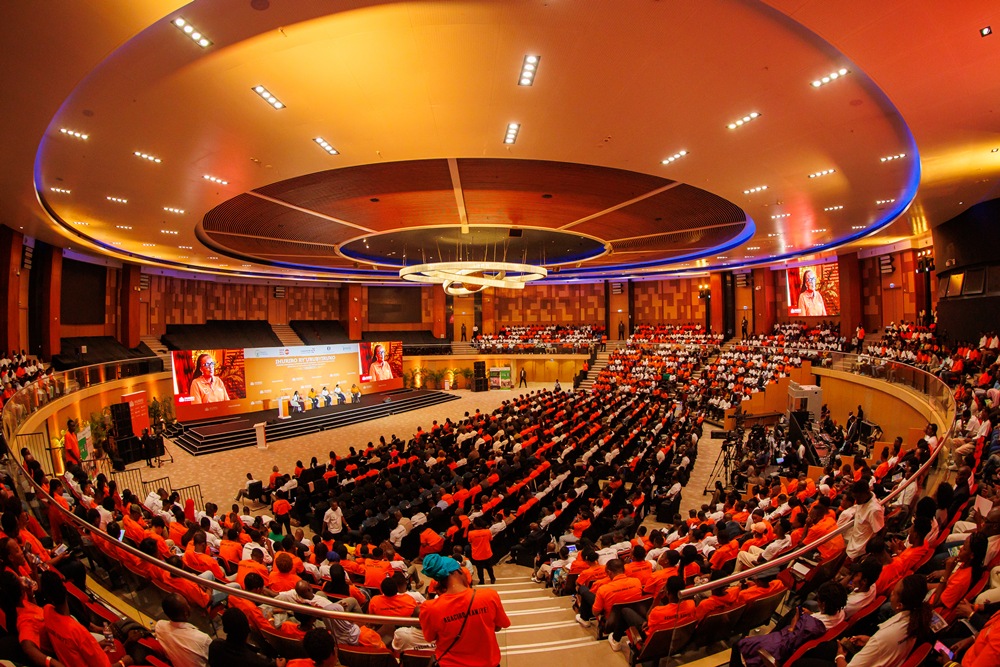
The Rwanda Union of the Blind (RUB) recently participated in a critical national youth forum at the invitation of the Imbuto Foundation. The event, framed as a “powerful national dialogue bringing together young people, leaders, parents, and partners,” was centered on the urgent need to accelerate actions to end teenage pregnancy in Rwanda. For RUB, ensuring that youth with disabilities are included in these national conversations is a top priority. The Imbuto Foundation designed the gathering to “drive bold action for youth empowerment, promote adolescent sexual and reproductive health”. To achieve this, it is essential that the distinct needs of all youth, including those with visual impairments, are understood and addressed by policymakers and health advocates. During the forum, RUB’s Executive Director, Mr. Mugisha Jacques, had the sideline opportunity to interact directly with other key participants. He used this time to shed light on the unique challenges that visually impaired adolescents face regarding their sexual and reproductive health. His interactions underscored that any comprehensive approach to youth empowerment must account for the accessibility of information and healthcare services for persons with disabilities. The primary goal of this national dialogue was to search for “sustainable solutions that will help in building a capable and safe society”. By sharing the lived experiences of visually impaired adolescents, RUB and Mr. Mugisha Jacques helped ensure that these emerging solutions are truly inclusive. We believe that a capable society is one that leaves no one behind, and we will continue working with partners like the Imbuto Foundation to protect and empower all young people in Rwanda.

RUB Advocates for Visually Impaired Youth at Imbuto Foundation’s National Dialogue on Reproductive Health Read More »

Training on Disability Inclusion and Civic Engagement for Rwanda Union of the Blind Branches in Nyamagabe District

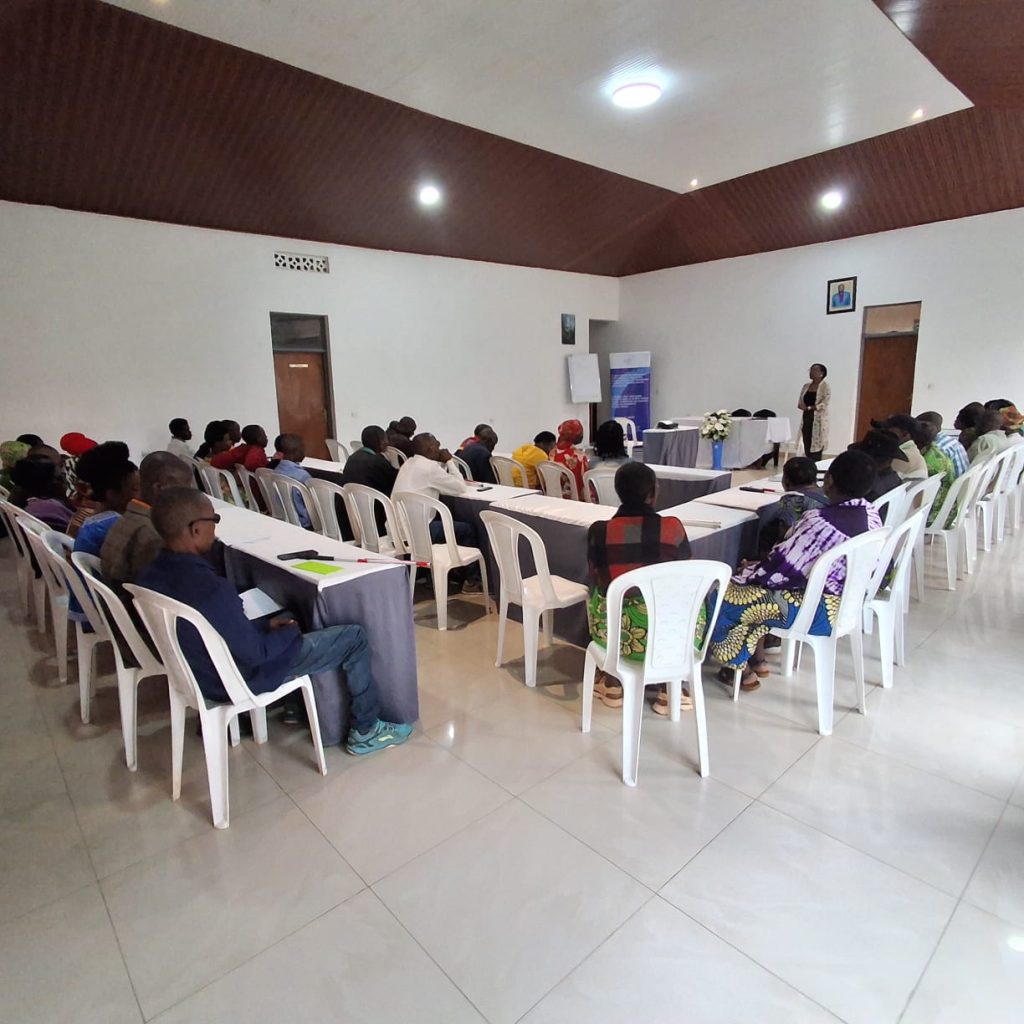
On Friday, May 15, 2026, a two-day training on Disability Inclusion and Civic Engagement was concluded for five branches of the Rwanda Union of the Blind: Tare, Gasaka, Kibumbwe, Shangi, and Mahembe. The training was supported by GIZ/GOPA and attended by representatives of the Nyamagabe District leadership, as well as partners from GIZ and GOPA. The purpose of the training was to strengthen the capacity of participants and promote the inclusion and active participation of persons with visual impairments in civic engagement and community development activities.

Training on Disability Inclusion and Civic Engagement for Rwanda Union of the Blind Branches in Nyamagabe District Read More »

Rwanda Union of the Blind Strengthens Fight Against GBV and Supports Vulnerable Youth in Muhanga District

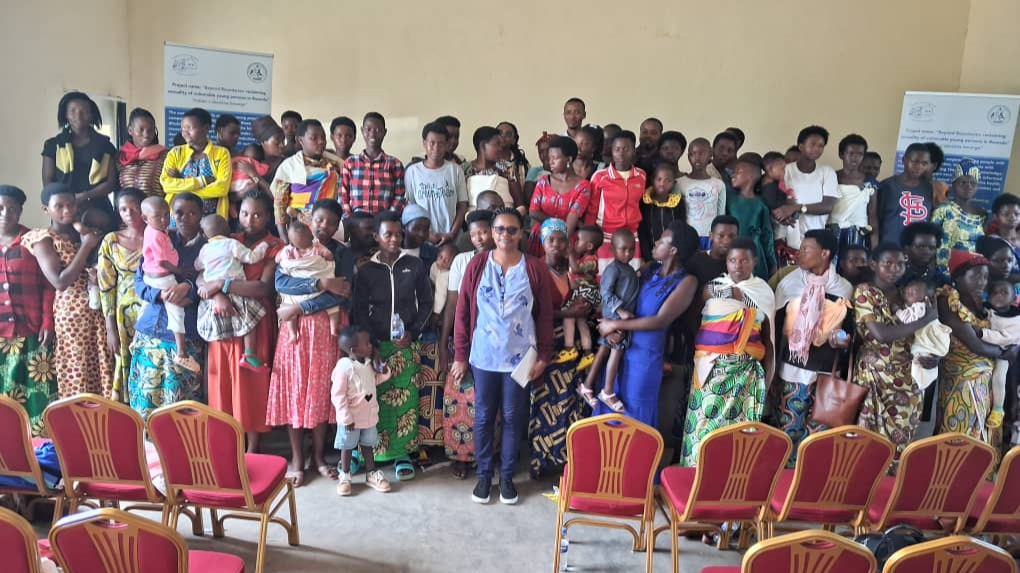
The Rwanda Union of the Blind (RUB), in partnership with NUDOR and with support from AmplifyChange, has intensified efforts to combat Gender-Based Violence (GBV) and promote Sexual and Reproductive Health and Rights (SRHR) among vulnerable youth and persons with disabilities in Muhanga District. Through a series of community-based activities conducted in April and May 2026 in Nyarusange Sector, the organizations empowered teen mothers, GBV survivors, and young people with disabilities with knowledge, psychosocial support, and access to justice services. One of the key activities took place on 22 April 2026, where RUB organized a dialogue session bringing together teen mothers and GBV survivors to discuss SRHR and GBV prevention. Participants engaged in open discussions on preventing early pregnancies, making informed decisions, and understanding available support services. The activity also encouraged young people to challenge harmful sexual behaviors and become advocates for positive change within their communities. Speaking during the session, facilitators emphasized the importance of inclusive awareness campaigns that leave no one behind, especially young people living with disabilities who often face barriers in accessing information and services related to reproductive health and protection. An awareness and referral activity in Nyarusange Sector, Muhanga District, to link GBV victims to Isange One Stop Center and legal services. On 23 April 2026, another awareness and referral activity was organized to connect GBV victims with support structures such as Isange One Stop Center and legal aid services. The initiative brought together survivors, local leaders, health professionals, and legal service providers to discuss reporting mechanisms, victims’ rights, psychosocial support, and legal protection pathways. Participants were encouraged to break the silence surrounding GBV and seek professional support without fear of stigma or discrimination. Organizers noted that many survivors often remain silent due to fear, financial limitations, or lack of information about available services. To address some of these barriers, RUB facilitated transportation and referrals for vulnerable GBV victims on 8 May 2026, enabling six survivors from Nyarusange Sector to access counseling, health care, and legal support services at Isange One Stop Center in Muhanga District. According to the organizers, the intervention significantly improved survivors’ access to justice and psychosocial care. The support also strengthened trust between survivors and service providers while raising awareness about available GBV response services in the community. In another important initiative held between 29 and 30 April 2026, RUB established GBV support groups in Rusovu, Ngaru, Musongati, and Mbiriri cells of Nyarusange Sector. The two-day activity focused on resilience-building and self-advocacy among teen mothers and GBV survivors. Participants shared experiences, engaged in emotional healing exercises, and encouraged one another to rebuild confidence and advocate for their rights and well-being. Leadership committees were also formed within the newly established groups to strengthen long-term coordination, peer support, and community empowerment initiatives. According to RUB and its partners, the activities are part of broader efforts to promote inclusion, dignity, protection, and equal access to services for vulnerable youth, including young people with disabilities.

Rwanda Union of the Blind Strengthens Fight Against GBV and Supports Vulnerable Youth in Muhanga District Read More »

RUB Delegation Concludes Successful Benchmarking Visit to Ghana

ACCRA, GHANA – A delegation from the Rwanda Union of the Blind (RUB), led by Executive Director Jacques Mugisha, has successfully wrapped up a weeklong benchmarking visit with their counterparts in Ghana. To mark the conclusion of the productive trip, the RUB team was warmly received at the Chancery by the Rwandan High Commission in Ghana on April 30, 2026. During the reception at the High Commission, the RUB delegation reflected on the exchange and expressed immense joy regarding the significant strides Rwanda has made in supporting Persons Living With Disabilities (PLWD), particularly the visually impaired. The team specifically highlighted the “unprecedented access to education” that visually impaired individuals have been granted over the last three decades. They noted that these critical advancements are deeply anchored in strong, positive political will that has actively worked to ensure no Rwandan is left behind. This benchmarking visit serves as a testament to RUB’s ongoing commitment to international collaboration, sharing best practices, and continuously improving advocacy for the visually impaired community in Rwanda.

RUB Delegation Concludes Successful Benchmarking Visit to Ghana Read More »

Rwamagana District Empowers Visually Impaired RUB Trainee with Knitting Equipment

RWAMAGANA, RWANDA – In a significant step towards the socio-economic empowerment of persons with disabilities, Rwamagana District Mayor Mbonyumuvunyi Radjab has presented a knitting machine to a visually impaired youth in the Fumbwe Sector. The beneficiary, Irakoze Pascal, is a dedicated trainee of the Masaka Resource Centre for the Blind. The equipment donation is designed to give Pascal the practical tools necessary to launch his own income-generating activities and achieve financial independence. The administration of the Masaka Resource Centre warmly welcomed the local government’s support. In a statement reflecting on the milestone, they expressed their gratitude and called for broader action across the country: “We have received this well, and we ask other districts to help the visually impaired put into practice what they learned at Masaka so they can uplift themselves and their families”. The Rwanda Union of the Blind publicly commended the Rwamagana District’s leadership for the initiative, describing the donation as an “outstanding act”. Emphasizing the transformative power of collaborative partnerships, RUB added, “Together, we can change the lives of the vulnerable, especially those with visual impairments”. This collaborative effort between local government authorities and RUB serves as a powerful model for disability inclusion, demonstrating that when trainees are equipped with the right tools after their education, they can effectively build self-reliant futures for themselves and their communities.

Rwamagana District Empowers Visually Impaired RUB Trainee with Knitting Equipment Read More »

Unity and Progress: Urumuri Branch Elects New Committees and Distributes White Canes

On Saturday, March 21, 2026, members of the Urumuri Branch demonstrated unwavering commitment by achieving full attendance at their monthly meeting at the Kimisagara youth center, despite rainy weather. The gathering centered on strengthening leadership, advancing cooperative formation, and enhancing overall member support. A key focus of the meeting was the appointment of new committee leadership to guide the branch. The newly formed Youth Committee includes Regine Umuhoza, Desire Dusengumuremyi, and Samuel Niyomugabo, while the Women’s Committee consists of Beatha Nyirahabishuti, Clarisse Nyirabera, and Ziada Nyinawasinga. Additionally, an Overall Committee was established, comprising Papi Sibomana, Jean Pierre Twizeramana, Eric Ngabonziza, Noel Niyomugabo, Regine Umuhoza, Beatha Nyirahabishuti, Charles Birakeraho, and Leoncie Nyiranteziryayo. Attendees were also updated on the progress of a new cooperative aimed at boosting economic empowerment and financial independence for the members. A temporary committee was appointed to oversee this vital initiative, featuring Elyse Byukusenge, Marice Ruzibiza, Regine Umuhoza, Daniel Mushimiyimana, and Leoncie Nyiranteziryayo. In a significant move to support mobility, independence, and dignity, the branch distributed a total of 45 white canes to members, generously provided by RUB. The event also featured an address by Jacques Mugisha, the Executive Director of RUB, who shared his personal leadership journey. Mugisha encouraged members to actively participate in sports, community engagement, and leadership roles, specifically urging them to vote in the upcoming October national elections to strengthen their representation. Ultimately, the gathering successfully promoted unity and reinforced the branch’s ongoing vision of inclusion and empowerment

Unity and Progress: Urumuri Branch Elects New Committees and Distributes White Canes Read More »

RUB’s Papy Sibomana Elected to Private Sector Federation

Kigali, Rwanda – The Specialized Chamber of the Private Sector Federation (PSF) in Rwanda has elected Papy Sibomana, a dedicated member of the Rwanda Union of the Blind, as its new Vice President in charge of Entrepreneurs with Disabilities. This pivotal role is set to drive significant advancements in inclusive entrepreneurship and economic participation for persons with disabilities across Rwanda. In a recent interview, Mr. Sibomana emphasized the profound responsibility of his new position, which he sees as a powerful message that “persons with disabilities belong in leadership, business, and decision-making spaces.”Key Responsibilities and Strategic Priorities Mr. Sibomana outlined a clear vision focused on systemic change and direct support for entrepreneurs with disabilities. His key responsibilities will include: His priorities will center on strengthening the inclusive entrepreneurship ecosystem and promoting disability-inclusive hiring. This involves: Engaging the Private Sector for Inclusive Employment To solidify disability-inclusive employment, Mr. Sibomana plans to work closely with private sector actors by: Specific Focus for Visually Impaired Persons As a member of the Rwanda Union of the Blind, Mr. Sibomana detailed specific benefits his role will bring to visually impaired professionals and entrepreneurs, including: A Call to Action Concluding his interview, Mr. Sibomana delivered a message of encouragement to his peers: “Our ideas, talents, and enterprises are valuable contributions to the economy. I encourage fellow persons with disabilities to pursue entrepreneurship with confidence.” He affirmed his commitment to collaboration, stating, “I look forward to collaborating with partners, businesses, and organizations beyond disability movement and the private sector to advance inclusive economic growth in Rwanda.” His election marks a powerful and optimistic new chapter for disability inclusion in the Rwandan economy, moving toward a private sector that is accessible and equitable for all.

RUB’s Papy Sibomana Elected to Private Sector Federation Read More »