SUCCESS STORIES

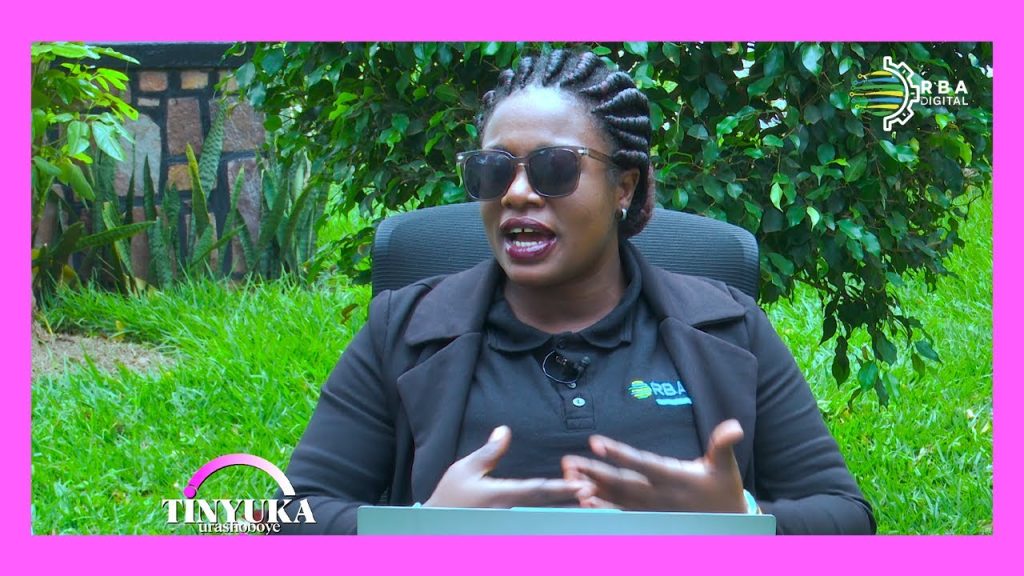
Gato Marcelline: Blind Rwandan Journalist Turns Disability Into a Force for Success

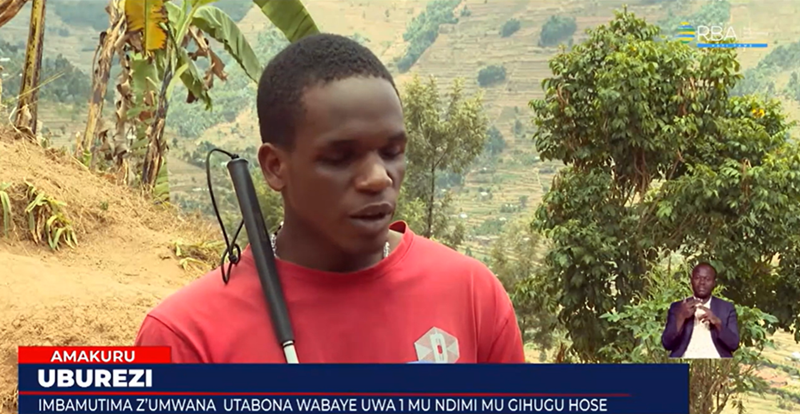
For Gato Marcelline, losing her sight at a young age did not mean losing her dreams. The Rwandan mother and journalist has defied the limitations often associated with visual impairment to build a career in journalism, where she now works for Rwanda Broadcasting Agency (RBA), particularly on Radio Rwanda. Gato’s journey began like that of many other children, with a determination to attend school and build a future for herself. However, as she progressed through her education, she had to make difficult choices about the subjects she would pursue, taking into consideration the challenges posed by her visual impairment. Today, she describes her position in the media as something she once considered almost impossible to achieve. “My journey has not been easy because I lost my sight when I was young, and I had to grow up with that disability. Studying alongside children who can see is challenging, especially because there are usually very few students with disabilities in a classroom. I studied in schools that supported learners with disabilities, but God gave me the ability to learn, and I consistently performed well,” she said One of the experiences that strengthened her confidence was being recognised by Imbuto Foundation for her strong academic performance. The recognition, she says, changed the way she viewed herself and convinced her that disability should not define the limits of her ambitions. “Being awarded as one of the girls who performed exceptionally well gave me the strength to believe that anything was possible. I stopped seeing myself simply as a girl with a disability. I realised that if my hard work could earn me such recognition, I could go much further. It also made me understand that education should not simply be about completing school; I needed to work hard so that I could eventually use my experience and voice to advocate for others,” Gato said Her academic choices also played an important role in shaping her career. Although she was capable of performing well in sciences, she found practical components more difficult because of her visual impairment. She therefore chose to focus on languages and literature, subjects that eventually opened the door to journalism. “I was a strong student and performed well in many subjects, including science, but I realised that studying sciences with a visual impairment could be difficult because of the practical work involved. I chose languages and literature instead. I studied at Groupe Scolaire de Gahini for my secondary education and later joined the University of Rwanda’s Huye Campus, where I graduated in Journalism and Communication,” she said For Gato, however, academic qualifications alone were not enough. She believes that progress requires courage, persistence and the determination to demonstrate what one is capable of doing, rather than allowing other people’s perceptions to dictate one’s future. “The most difficult part of the journey is refusing to give up and standing firmly on what you are capable of doing. I did everything I could to demonstrate my abilities, and people came to appreciate what I could contribute,” she said Working in journalism has also taught her that success requires continuous learning. According to Gato, journalists must constantly follow new developments because news is constantly changing and the profession requires persistent research. Her university years were equally demanding. With limited resources, she says, she had to make sacrifices and carefully manage the financial support she received so that she could prepare herself for professional life. “It was very challenging and required sacrifices. During university, I had to carefully manage the little living allowance I received so that I could save enough to support my professional training and ensure that financial difficulties did not prevent me from gaining the experience I needed. It required planning and sacrifice,” she explains. Gato also understood that building a successful career required her to earn the trust of the people around her. Rather than expecting others to lower their standards because of her disability, she worked to demonstrate that she could perform her responsibilities effectively. That determination eventually took her to Radio Rwanda, a moment she describes as one of the most memorable achievements of her career. Although she had spoken on radio before, her first appearance on Radio Rwanda came with a different level of pressure. She knew that the station had a wide audience and admits that she was nervous before going on air. “The day I first spoke on Radio Rwanda was incredibly emotional for me. I kept thinking about the fact that I would be heard by people across the country, and I was very nervous. I prayed that God would help me do well. When people responded positively, it gave me even more confidence and strength,” she recalled Gato has since become a familiar voice to many listeners, particularly through programmes such as Bwakeye Bute, which she presented alongside Bright Turatsinze, as well as Kazi ni Kazi and other programmes in which she has participated. Her colleagues and audiences have continued to recognise her ability to perform her work professionally despite her visual impairment. Rather than considering her current position the end of her journey, Gato sees it as a foundation from which to pursue even greater ambitions. She says she intends to continue learning, working hard and looking for opportunities to achieve more than she has already accomplished. Her story also carries a message to other Rwandans, particularly women and girls living with disabilities. She encourages them not to surrender to discouragement, but instead to identify and make the most of opportunities available to them. She believes Rwanda’s security, inclusive policies and opportunities provide an environment in which people can pursue their ambitions regardless of the challenges they face. Source: RBA/RTV (Tinyuka urashoboye)

Gato Marcelline: Blind Rwandan Journalist Turns Disability Into a Force for Success Read More »
RUB Beneficiaries Trained at Masaka Resource Centre Show Progress in Nyaruguru

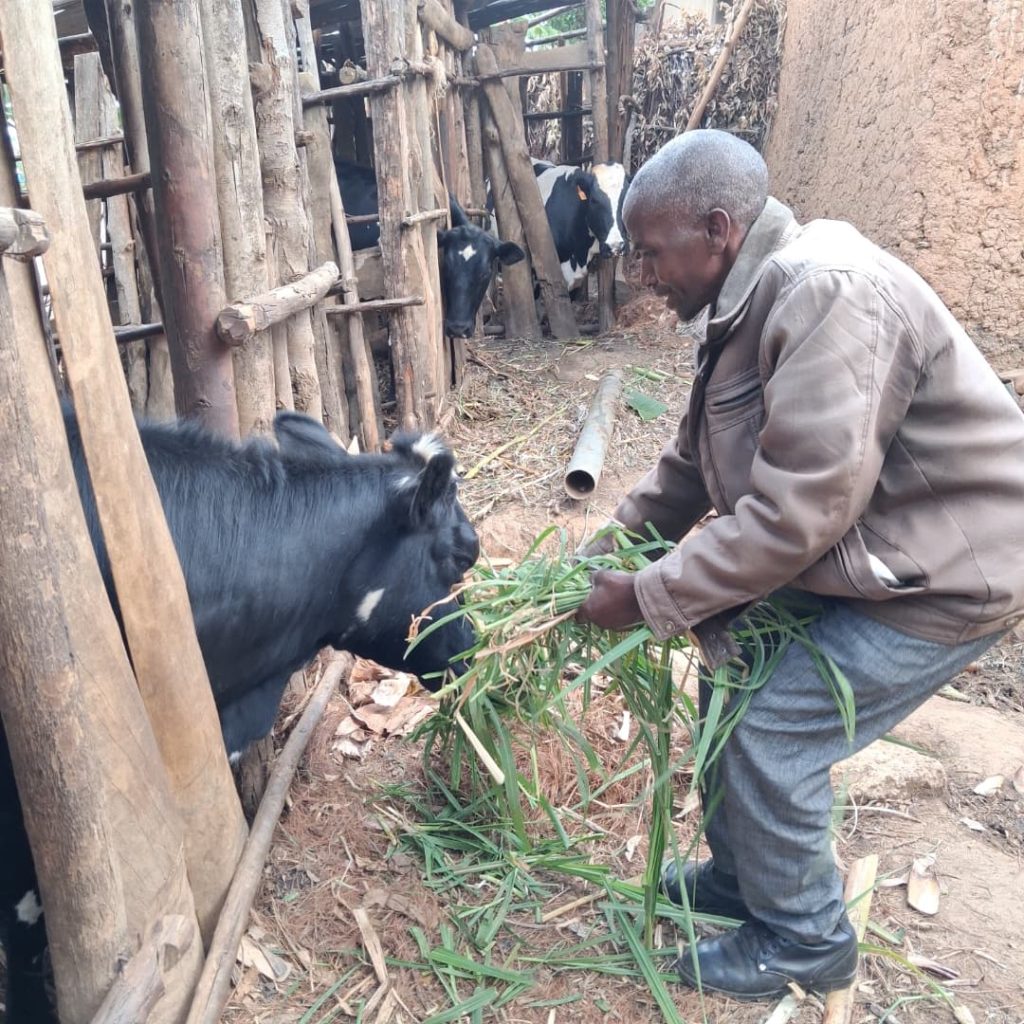
NYARUGURU, Rwanda – September 24, 2026 – The Rwanda Union of the Blind (RUB) has conducted a follow-up visit to its beneficiaries in Kivu, Nyabimata and Munini Sectors to assess their progress after training at the Masaka Resource Centre for the Blind The visit was led by the Director of the Masaka Resource Centre for the Blind, Mr. Jean Marie Vianney Mukeshimana, and aimed at seeing what the former trainees have achieved since completing their training at Masaka. A beneficiary trained at the Masaka Resource Centre for the Blind prepares fodder for his livestock at his home in Kivu Sector, Nyaruguru District, during a follow-up visit led by the Director of the Centre, Mr. Jean Marie Vianney Mukeshimana. According to the visiting team, the beneficiaries have made significant steps in self-reliance. They are rearing cows, pigs, goats, sheep and rabbits and they are able to do all that work by themselves because of what they got from Masaka. Among those visited in Kivu Sector are Ntakirutimana Reverien and Ngendabanga Sylvan. Both are heads of families, visually impaired, married and with children. They have built their own houses and are sustaining their families.In Nyabimata, the team visited Rugemintwaza Vincent, who has invested in tea farming and livestock rearing. The visit shows that skills acquired at Masaka Resource Centre for the Blind are helping beneficiaries live independently and improve their livelihoods. Photo: Livestock reared by a visually impaired beneficiary trained at Masaka Resource Centre for the Blind.

RUB Beneficiaries Trained at Masaka Resource Centre Show Progress in Nyaruguru Read More »

Habumugisha Samuel Defies Blindness to Top Rwanda’s National Exams in Languages

Gicumbi student scores 93.53% in the 2025–2026 national examinations, inspiring calls for greater support for learners with disabilities GICUMBI, Rwanda — September 2026 — Habumugisha Samuel, a blind student from Gicumbi District, has emerged as Rwanda’s top performer in the Languages section of the 2025–2026 national secondary school examinations, scoring an impressive 93.53%. His achievement highlights a remarkable journey of academic excellence and determination, while drawing attention to the importance of educational opportunities for learners with disabilities. Born in 2006, Habumugisha secured first position nationwide in the Languages combination of English, French and Kinyarwanda (LFK), with Kiswahili as an additional subject. A Journey Marked by Determination Habumugisha lost his sight at the age of eight after developing a serious eye condition at the age of four. According to his parents, he initially began his education at Kigogo Primary School near his home in Gicumbi. He later restarted Primary One at the Educational Institute for Blind Children in Kibeho, Nyaruguru District, Southern Province. It was at the Kibeho school that he continued his education through secondary school, gradually establishing himself as one of the strongest students in his class. His academic performance remained consistently strong throughout his education. “During lower primary, I used to score 90 percent. In Upper Primary, I scored around 80 percent, while in Ordinary Level I scored between 85 and 89 percent. In Advanced Level, the lowest mark I got in a term was 93 percent,” he said. “I Never Imagined That I Would Be First in the Country” Although Habumugisha believed he could achieve a score of around 93%, he said he never expected to emerge as the country’s top-performing student. “I thought I could get 93 percent, but I never imagined that I would be the first in the country. When I heard the news, I was so surprised that I cried and initially doubted it. I checked again and realised it was true. I immediately thanked God,” he said. His achievement has become a source of pride for his family and community, while highlighting the potential of learners with visual impairments when they receive opportunities and support. A Message of Confidence and Ambition For Habumugisha, the examination result represents more than academic success. It has strengthened his belief that disability should not prevent a person from pursuing their ambitions. “No one should discourage you. You have to live your own life and not base your life on other people,” he said. He now hopes to pursue university studies in either journalism or education, fields in which he intends to build on the discipline, confidence and determination developed throughout his schooling. Family Appeals for Continued Support Habumugisha’s parents and neighbours have welcomed his achievement with pride, describing it as a major source of joy for the family and the wider community. They say his success demonstrates the potential of learners with disabilities when they are given the opportunity to pursue education. The family is appealing to the Government and other stakeholders to support Habumugisha as he prepares to continue his education at university and further develop his abilities. His story also highlights the importance of strengthening inclusive education and support systems that enable talented learners with disabilities to reach their full potential. A Story of Excellence and Opportunity Habumugisha Samuel’s achievement stands as a powerful reminder that academic excellence can emerge from challenging circumstances. His journey from a young learner who lost his sight to Rwanda’s reported top performer in Languages underscores the importance of determination, educational support and access to opportunity. As he looks toward university, his family and community hope that continued support will help him build on his success and pursue his ambitions.

Habumugisha Samuel Defies Blindness to Top Rwanda’s National Exams in Languages Read More »

Rwanda Union of the Blind Strengthens Fight Against GBV and Supports Vulnerable Youth in Muhanga District

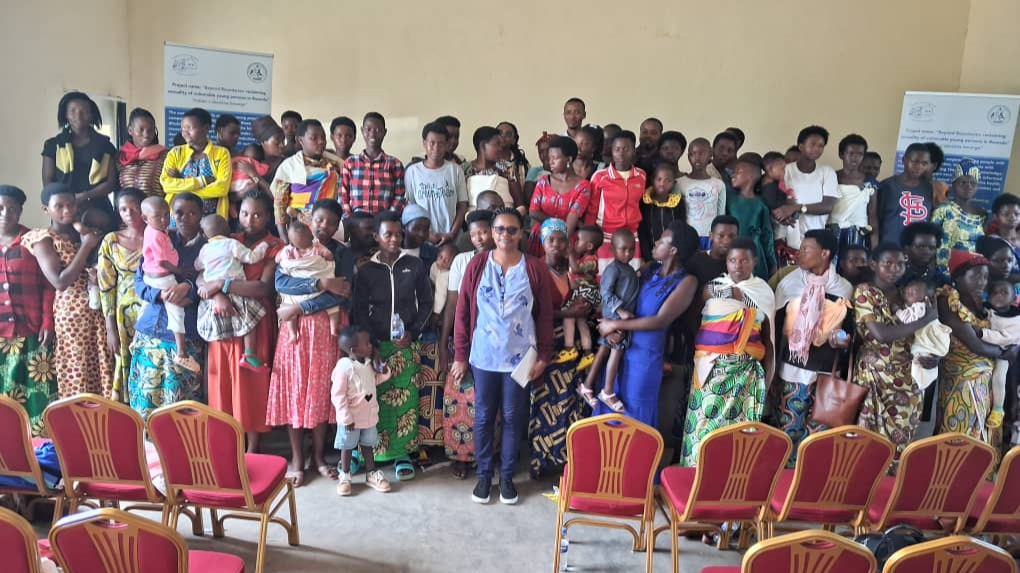
The Rwanda Union of the Blind (RUB), in partnership with NUDOR and with support from AmplifyChange, has intensified efforts to combat Gender-Based Violence (GBV) and promote Sexual and Reproductive Health and Rights (SRHR) among vulnerable youth and persons with disabilities in Muhanga District. Through a series of community-based activities conducted in April and May 2026 in Nyarusange Sector, the organizations empowered teen mothers, GBV survivors, and young people with disabilities with knowledge, psychosocial support, and access to justice services. One of the key activities took place on 22 April 2026, where RUB organized a dialogue session bringing together teen mothers and GBV survivors to discuss SRHR and GBV prevention. Participants engaged in open discussions on preventing early pregnancies, making informed decisions, and understanding available support services. The activity also encouraged young people to challenge harmful sexual behaviors and become advocates for positive change within their communities. Speaking during the session, facilitators emphasized the importance of inclusive awareness campaigns that leave no one behind, especially young people living with disabilities who often face barriers in accessing information and services related to reproductive health and protection. An awareness and referral activity in Nyarusange Sector, Muhanga District, to link GBV victims to Isange One Stop Center and legal services. On 23 April 2026, another awareness and referral activity was organized to connect GBV victims with support structures such as Isange One Stop Center and legal aid services. The initiative brought together survivors, local leaders, health professionals, and legal service providers to discuss reporting mechanisms, victims’ rights, psychosocial support, and legal protection pathways. Participants were encouraged to break the silence surrounding GBV and seek professional support without fear of stigma or discrimination. Organizers noted that many survivors often remain silent due to fear, financial limitations, or lack of information about available services. To address some of these barriers, RUB facilitated transportation and referrals for vulnerable GBV victims on 8 May 2026, enabling six survivors from Nyarusange Sector to access counseling, health care, and legal support services at Isange One Stop Center in Muhanga District. According to the organizers, the intervention significantly improved survivors’ access to justice and psychosocial care. The support also strengthened trust between survivors and service providers while raising awareness about available GBV response services in the community. In another important initiative held between 29 and 30 April 2026, RUB established GBV support groups in Rusovu, Ngaru, Musongati, and Mbiriri cells of Nyarusange Sector. The two-day activity focused on resilience-building and self-advocacy among teen mothers and GBV survivors. Participants shared experiences, engaged in emotional healing exercises, and encouraged one another to rebuild confidence and advocate for their rights and well-being. Leadership committees were also formed within the newly established groups to strengthen long-term coordination, peer support, and community empowerment initiatives. According to RUB and its partners, the activities are part of broader efforts to promote inclusion, dignity, protection, and equal access to services for vulnerable youth, including young people with disabilities.

Rwanda Union of the Blind Strengthens Fight Against GBV and Supports Vulnerable Youth in Muhanga District Read More »

RUB’s Papy Sibomana Elected to Private Sector Federation

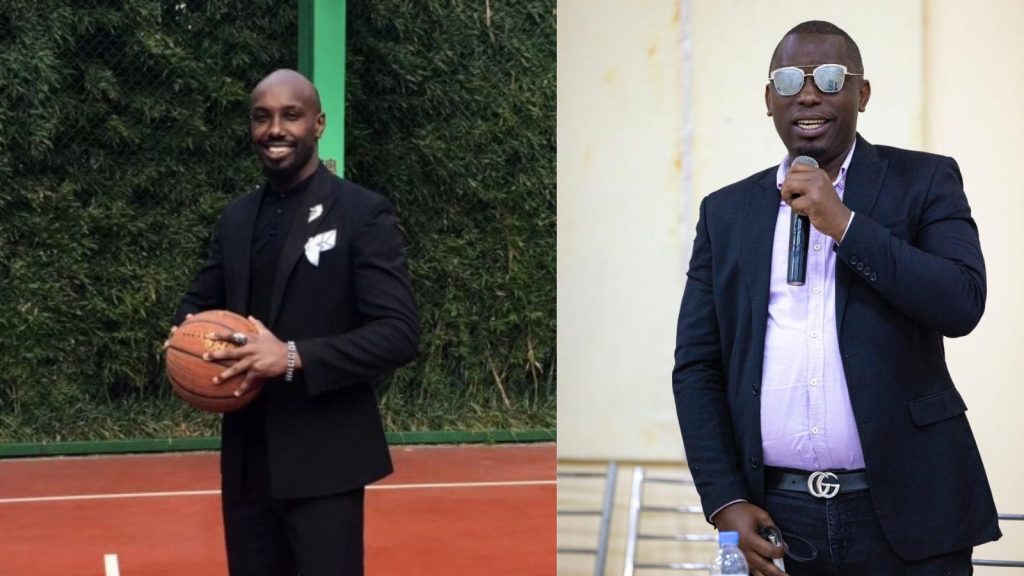
Kigali, Rwanda – The Specialized Chamber of the Private Sector Federation (PSF) in Rwanda has elected Papy Sibomana, a dedicated member of the Rwanda Union of the Blind, as its new Vice President in charge of Entrepreneurs with Disabilities. This pivotal role is set to drive significant advancements in inclusive entrepreneurship and economic participation for persons with disabilities across Rwanda. In a recent interview, Mr. Sibomana emphasized the profound responsibility of his new position, which he sees as a powerful message that “persons with disabilities belong in leadership, business, and decision-making spaces.”Key Responsibilities and Strategic Priorities Mr. Sibomana outlined a clear vision focused on systemic change and direct support for entrepreneurs with disabilities. His key responsibilities will include: His priorities will center on strengthening the inclusive entrepreneurship ecosystem and promoting disability-inclusive hiring. This involves: Engaging the Private Sector for Inclusive Employment To solidify disability-inclusive employment, Mr. Sibomana plans to work closely with private sector actors by: Specific Focus for Visually Impaired Persons As a member of the Rwanda Union of the Blind, Mr. Sibomana detailed specific benefits his role will bring to visually impaired professionals and entrepreneurs, including: A Call to Action Concluding his interview, Mr. Sibomana delivered a message of encouragement to his peers: “Our ideas, talents, and enterprises are valuable contributions to the economy. I encourage fellow persons with disabilities to pursue entrepreneurship with confidence.” He affirmed his commitment to collaboration, stating, “I look forward to collaborating with partners, businesses, and organizations beyond disability movement and the private sector to advance inclusive economic growth in Rwanda.” His election marks a powerful and optimistic new chapter for disability inclusion in the Rwandan economy, moving toward a private sector that is accessible and equitable for all.

RUB’s Papy Sibomana Elected to Private Sector Federation Read More »

From Isolation to Independence: The Inspiring Journey of Niyotwizera Olivier, a Visually Impaired Entrepreneur

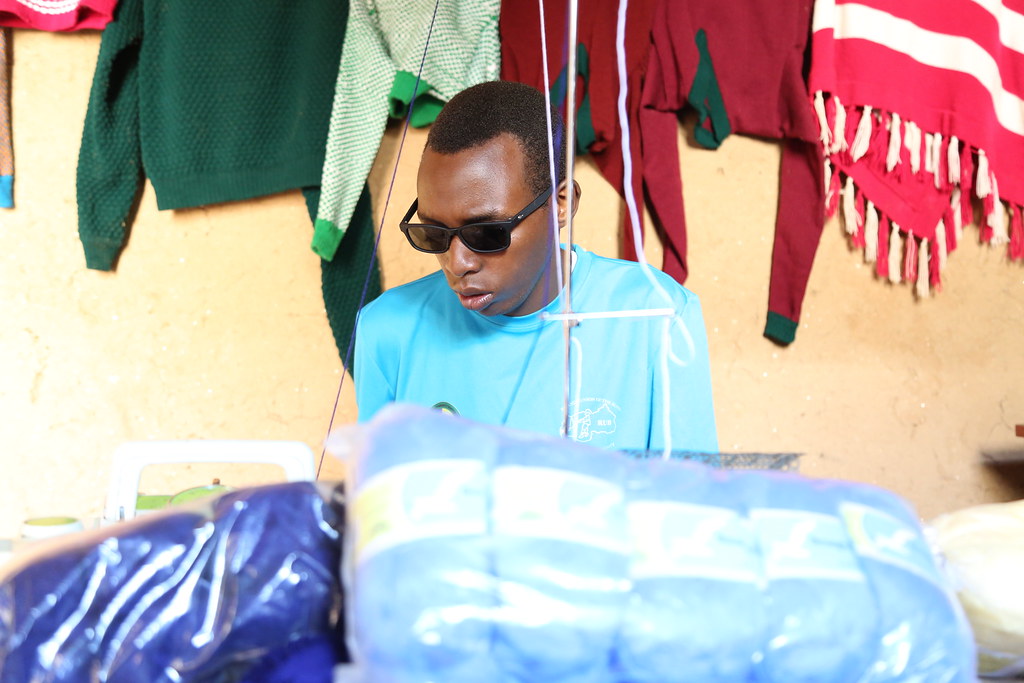
Muhanga, Rwanda—Niyotwizera Olivier, a 27-year-old visually impaired young man from Kabuga Village, Kabuye Cell, Kabacuzi Sector, Muhanga District, has transformed his life from one of isolation to self-reliance through determination and the support of the Rwanda Union of the Blind (RUB). Olivier’s story is a powerful testament to the capability of people with disabilities when given the right tools and opportunities. Olivier’s early life was marked by hardship. He was forced to stop his schooling in the fifth year of primary school due to the lack of appropriate educational facilities for students with visual impairment. This led to a difficult period of self-doubt and isolation. “It was initially difficult for me to accept,” Olivier recounted. “I lived a life of isolation, thinking about many different things, including the fact that I couldn’t study. I felt unable to join others or speak up. I lived a life where I needed help with everything.” His turning point came in January 2019, when he traveled to Masaka in search of medical assistance, having been referred from Kabgayi Hospital. Accompanied by his mother, Olivier didn’t find a cure, but he found something arguably more valuable: empowerment. “Once there, I immediately started learning Braille, learning to walk, learning to use the white cane, learning to accept myself as a person with a disability, and learning to do all the tasks I used to be helped with, by myself,” he explained. Armed with new skills and self-acceptance, Olivier returned home in 2022 to pursue a trade. He learned how to knit various items, primarily sweaters, from yarn and thread. Today, he runs a successful knitting project, demonstrating his newfound independence. “I gain many different things, including being able to provide for my needs, such as clothing,” he said. He has also diversified his efforts by engaging in small-scale breeding projects, including pigs and chickens. The key to his success was the provision of essential equipment by RUB, whom he credits profoundly. “I am very thankful to RUB as a parent who looks out for us, because I owe this life I have to them. Now I am able to get what I need, and I can also help others in various ways.” Olivier is a prolific knitter, capable of making approximately three adult sweaters or five children’s sweaters in a single day. His dedication ensures a steady income, with monthly profits reaching no less than 30,000 Rwandan francs. Despite his success, Olivier faces significant hurdles. “The main challenge is how to find markets; it is very difficult for me,” he lamented. He also highlighted a persistent societal challenge: the misconception that items made by visually impaired people are not of high quality. Furthermore, the cost of sourcing materials is steep, with a one-way motorcycle taxi trip from his home to Muhanga for supplies costing 5,000 Rwandan francs. To overcome these challenges, Olivier believes government support is crucial. He calls for increased public education to dispel the negative misconceptions about the capabilities of people with disabilities. He also suggests help in securing markets, such as contracts with schools, and securing a proper workspace. Looking ahead, Olivier has ambitious goals. He aspires to acquire a machine with greater capacity, establish his own weaving/knitting house, and pass on his skills by training others. His journey is a powerful call to action for the community to recognize and support the talent and capacity of all its members.

From Isolation to Independence: The Inspiring Journey of Niyotwizera Olivier, a Visually Impaired Entrepreneur Read More »