News

Rwanda Union of the Blind Joins the Celebration of the International Day of Persons with Disabilities

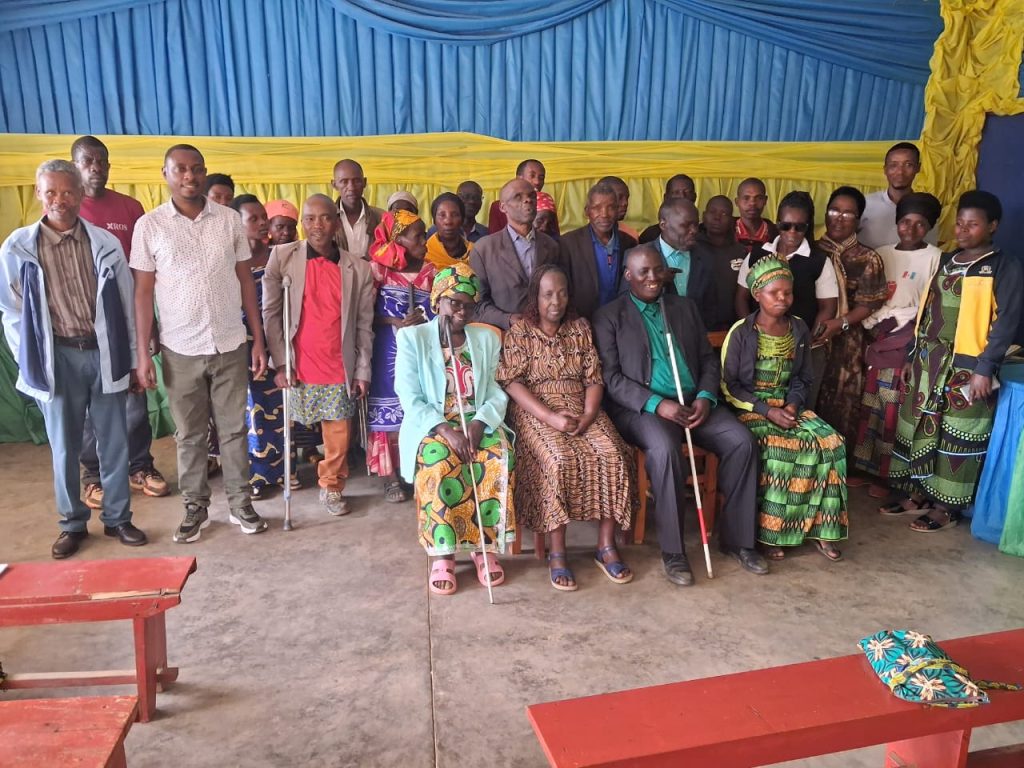
On December 3, 2025, Rwanda joined the global community in commemorating the International Day of Persons with Disabilities, with an event held in Nyabihu District under the theme “Building an Inclusive Society that Promotes the Well-being of Persons with Disabilities.” The celebration included the distribution of assistive devices, prosthetics, and various awards to individuals with disabilities. The Governor of the Western Province, Jean Bosco Ntibitura, who served as the guest of honor, reaffirmed the government’s commitment to promoting the welfare and inclusion of persons with disabilities. In his remarks, UGWANEZA Norbert, Vice President of the National Council of Persons with Disabilities (NCPD), commended the Government of Rwanda for its ongoing support of the well-being and development of all citizens, including those with disabilities. Members of the Rwanda Union of the Blind (RUB), who attended the event, expressed gratitude for being recognized and supported on this special day. They particularly appreciated RUB’s continuous efforts to advocate for their rights and empower them economically and socially. SERUGENDO, a visually impaired father of two from Nyange Sector in Musanze District, shared her inspiring journey of resilience. After losing her sight in June 2022, she reached out to RUB, which supported her in enrolling in a Braille literacy program. Upon graduation, she received vocational training and a certificate that enabled her to start a small soap-making business. “After training, I secured a loan from my local SACCO and began producing liquid soap. With time and effort, I expanded into making solid soap and skincare products. Today, my products are in demand, and I’ve been able to repay my loan,” she said. She emphasized that having a disability should not be equated with weakness and encouraged others to believe in their potential. SERUGENDO expressed deep appreciation to RUB for its instrumental role in her transformation: “I am truly grateful to RUB for their tireless support and advocacy. They have helped us gain confidence and become economically self-reliant. May God bless them for all they do.” The event highlighted not only the resilience of persons with disabilities but also the importance of inclusive support systems, with RUB standing out as a pillar of empowerment for the blind community in Rwanda. NYIRAMUTIMA Beatrice, a resident of Gataraga Sector in Musanze District, expressed her gratitude to the Rwanda Union of the Blind (RUB) for supporting her with a knitting machine. She now earns a living through self-employment by knitting sweaters. She addressed those who still doubt the capabilities of visually impaired individuals to produce quality clothing, urging the public to trust in their skills and recognize their capabilities firsthand. She stated: “Some people still hesitate and wonder, ‘Can a blind person really knit clothes?’ But I assure them that we are capable. We just need trust and opportunities. Our work speaks for itself once people see what we can do.” She concluded by thanking the Government of Rwanda for continually considering the needs of persons with disabilities and called for ongoing support to help them advance economically. BENIMANA Aline, who works in the call center of RUB, praised the progress made by visually impaired individuals in embracing technology. She noted that digital tools have significantly improved their lives, allowing them to participate more actively in today’s tech-driven world. She urged employers and opportunity providers not to overlook the visually impaired based on assumptions about their abilities. “I call on employers to stop thinking that visual impairment means we are incapable. Give us a chance, and we will show you what we can do!” she asserted. RWEMERA Eduard, from Mbogo Sector in Rulindo District, also shared his testimony. Though he lost his sight due to war-related circumstances, he emphasized that his life did not stop there. He and his wife now work together to provide for their family. He encouraged other visually impaired individuals not to consider disability as the end of life. “Losing my sight is not the end. Everyone should strive, in their own way, to be part of the journey toward development,” he stated. These powerful stories reflect the strength, resilience, and determination of the blind community in Rwanda and the importance of continued inclusion, empowerment, and trust in their potential. The Executive Director of the Rwanda Union of the Blind (RUB), Mr. Mugisha Jacques, called for greater inclusion of persons with disabilities in high-level leadership and decision-making positions, stressing that they are capable and should no longer be overlooked. Speaking at Isango Star, Mugisha emphasized that while the law provides for equality and non-discrimination, a gap remains in practice, especially regarding allowing persons with disabilities to take on influential roles. “The laws are clear; no one should be excluded from any job or decision-making position. It’s time to take a step further and ensure persons with disabilities are present and visible in all areas,” Mugisha said. He criticized leaders who underestimate the abilities of persons with disabilities, wrongly assuming they are incapable of holding key roles. He described this as a harmful perception that urgently needs to change. Mugisha further argued that persons with disabilities should not be treated as if they require special opportunities solely for inclusion, but should be empowered to compete fairly for leadership roles across all sectors. “Often, persons with disabilities are only encouraged to run for lower-level positions. I want to see them in top positions where decisions are made, so that those who still doubt their abilities can see for themselves,” he added. He concluded by expressing a strong hope for a future where the capabilities of persons with disabilities are not only acknowledged but celebrated throughout every part of society. This call comes as part of broader efforts to promote equality, dignity, and inclusion for persons with disabilities, particularly in governance and national development. It underscores the necessity of creating an environment where individuals can thrive regardless of their abilities, paving the way for a more inclusive future for all.

Rwanda Union of the Blind Joins the Celebration of the International Day of Persons with Disabilities Read More »

Visually Impaired in Southern Rwanda Urge Health Insurance to Cover White Cane

Visually impaired persons in Rwanda’s Southern Province are calling for the white cane, a crucial mobility tool in their daily lives, to be included in the country’s community-based health insurance scheme (Mutuelle de Santé) to ease accessibility and affordability. They say that the white cane is not currently recognized as a medical or assistive device covered under health insurance, creating a major obstacle that limits their ability to move freely, work, and participate in community life. “The white cane is our eyes. When you have it, you gain independence and confidence to walk and work. But the challenge is that it’s too expensive, and most of us cannot afford it,”said Marie Nyirabayovu, a visually impaired resident of Nyanza District. Visually impaired citizens say that although the white cane is essential for safe mobility, access remains limited most can only obtain it through donations from NGOs or disability organizations, and even then, the supply is inadequate. “Sometimes we wait for years for a donation. Many remain without a cane, which increases their risk of accidents or keeps them confined at home,”said Emmanuel Nteziyaremye, a resident of Huye District. The cost of a white cane ranges between $35 and $45 (over 50,000 Rwandan Francs), a price too high for most visually impaired people who often lack stable income or employment. They are therefore urging the government to integrate the white cane into the Mutuelle de Santé scheme, just like other assistive devices provided for people with physical or hearing impairments. According to Mugisha Jacques, Executive Director of the Rwanda Union of the Blind (RUB), some progress has been made in efforts to make the white cane more accessible. “Currently, the white cane is imported tax-free. That’s a significant achievement. We are also in talks with the Ministry of Health (MINISANTE) to make sure these canes are available in district pharmacies, so they are closer to those who need them,”Mugisha said. He added that the ultimate goal is for the white cane to be listed among assistive medical devices, allowing beneficiaries to obtain it through public health insurance or other government-supported schemes. The White Cane: A Tool for Life, Not a Luxury Beneficiaries emphasize that the white cane should not be viewed as an optional item but rather as an essential mobility aid for independent living. “Without my white cane, I cannot move freely. I can’t cross a road or even reach government offices. Lacking it is like having eyes that don’t see,”explained Béatha Uwase, a visually impaired woman from Ruhango District. They are calling on the government, health agencies, and disability organizations to make the white cane a basic right, rather than a gift offered only occasionally through charity programs. Health Ministry’s Perspective An official from the Ministry of Health (MINISANTE), who requested anonymity, told Radio Salus that the government acknowledges the concern and is working toward inclusive health planning. “We are exploring ways to make assistive devices like the white cane more accessible. However, this requires coordinated planning and budgeting across several sectors,”the official explained. Rwanda’s Broader Efforts Toward Disability Inclusion Over the past decade, Rwanda has implemented multiple policies to support people with disabilities, including the establishment of the National Council of Persons with Disabilities (NCPD) and partnerships with the Rwanda Biomedical Centre (RBC) to expand access to healthcare services. These initiatives aim to ensure that persons with disabilities enjoy equal opportunities in health, education, and employment.Disability rights advocates say that including the white cane in the national health insurance package would be a major milestone toward a fully inclusive Rwanda. As of now, visually impaired individuals in Rwanda continue to advocate for the recognition of the white cane as a vital health-related device, eligible for coverage under the Mutuelle de Santé. Both the Rwanda Union of the Blind (RUB) and the Ministry of Health express optimism, with ongoing discussions to distribute white canes through district pharmacies and potentially include them in insurance-supported programs. While the journey toward full inclusion continues, these efforts mark an important step in protecting lives, promoting equality, and empowering the visually impaired community across Rwanda.

Visually Impaired in Southern Rwanda Urge Health Insurance to Cover White Cane Read More »

Visually Impaired Women in Rwanda Convene to Address Progress and Persistent Barriers to Rights and Development

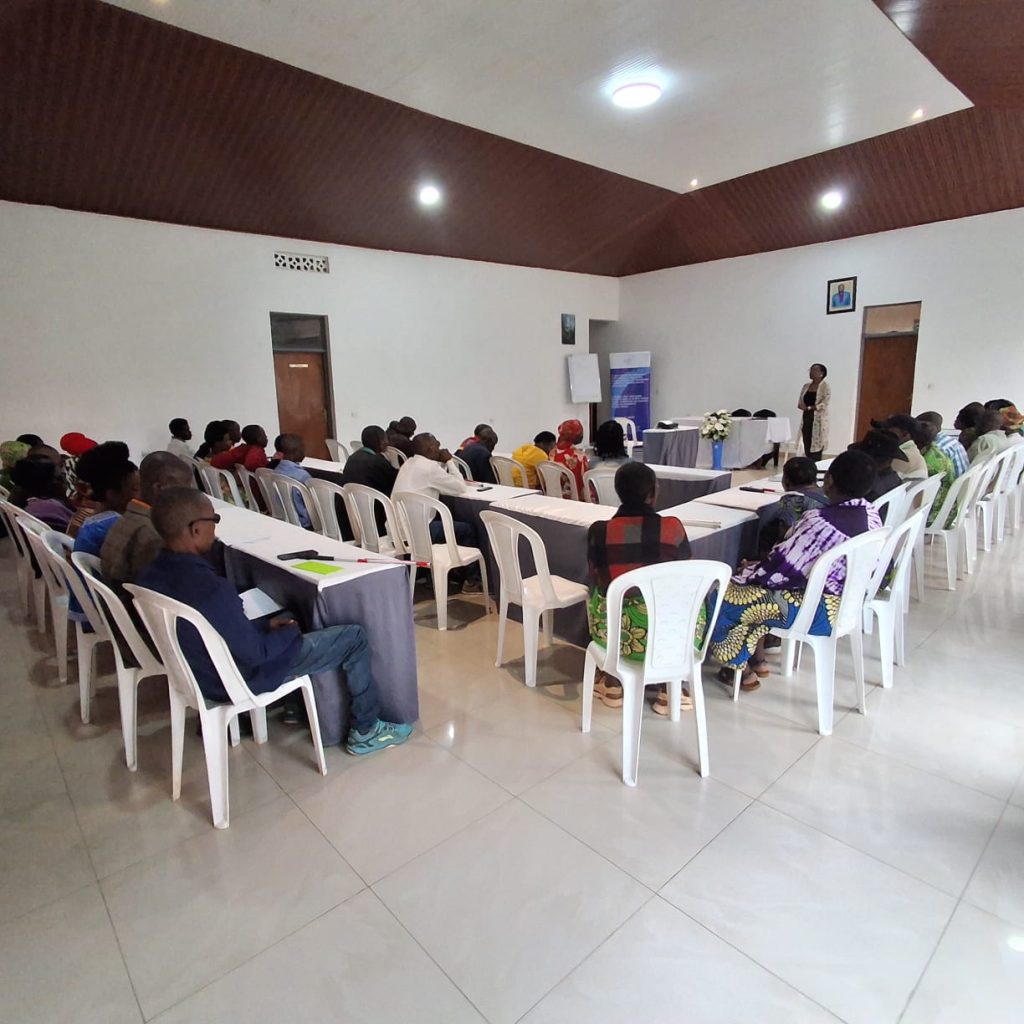
KICUKIRO, RWANDA – On Sunday, December 21, 2025, visually impaired women representing 64 associations from across the country gathered at the Masaka Resource Centre for the Blind to reflect on progress and deliberate on remaining challenges. Held under the theme: ‘Breaking Barriers: Empowerment through Inclusion and Navigating Challenges Together’, the National Forum for Women and Youth with Visual Impairment, the first of its kind at the national level, aimed to evaluate the journey toward sustainable development and establish new strategies for empowerment. A Shift from Exclusion to Empowerment During the opening of the forum, Dr. Mukarwego Betty, President of the Rwanda Union of the Blind (RUB), highlighted the significant transformation in the lives of visually impaired women. She noted that while women were previously marginalized—and those with disabilities even more so—the current environment under the leadership of President Paul Kagame has granted them a “voice” and equal rights. Dr. Mukarwego cited her own journey as a testament to this progress, sharing that she holds a PhD and serves as a lecturer at the University of Rwanda in the Department of Education. Similarly, Madam Donatha Uwitonze from the National Women’s Council emphasized that the culture of begging once associated with visual impairment is fading as women are being equipped with skills and capacity. She noted that visually impaired persons are now ascending to high-level leadership positions that were previously inaccessible. Advocacy for Political Inclusion Despite these advancements, participants pointed out systemic barriers that still hinder their full participation in society. Olive Nagasanzwe, a representative from the Rutsiro District, shared a personal account of discrimination during elections. She explained that one day she attempted to run for a position within the general women’s council structures and she was told she could only run within the specific “disability category”. “I went home feeling ashamed,” Nagasanzwe stated, calling for advocacy to ensure visually impaired women can compete in all electoral categories. In response, Mrs. Uwitonze pledged that the National Women’s Council would launch a nationwide campaign to ensure that a woman’s disability does not limit her right to seek leadership in any capacity. Addressing the Shadow of Gender-Based Violence A critical portion of the forum was dedicated to the issue of Gender-Based Violence (GBV). Mrs. Shafiga Murebwayire, the National Coordinator of Isange One Stop Centre representing the Rwanda Investigation Bureau (RIB), urged women not to hide the violence they face. Participants provided harrowing testimonies, noting that perpetrators often target visually impaired women specifically because they believe the victims cannot identify them. To combat this, the following measures were discussed: A Future Focused on Cooperation In his closing remarks, Mugisha Jacques, the Executive Director of RUB, thanked the participants and called for a unified front between the National Women’s Council, RIB, and RUB to find lasting solutions to the issues of violence and rights denials. To ensure these issues remain a priority, the forum is set to become an annual event aimed at continuously monitoring the development of visually impaired women and youth.

Visually Impaired Women in Rwanda Convene to Address Progress and Persistent Barriers to Rights and Development Read More »

Rwanda Union of the Blind Advocates for Braille Accessibility on World Braille Day

January 4, 2026 – Kigali, Rwanda––On this World Braille Day, the Rwanda Union of the Blind (RUB) delivered a heartfelt message emphasizing the profound impact of Braille literacy on the lives of blind and partially sighted individuals in Rwanda. Since its introduction in Rwanda in 1979, Braille has evolved into a vital tool for empowering Persons with visual impairments. MUGISHA Jacques, the Executive Director of RUB, shared insights on how early literacy in Braille can transform the lives of children and adults alike. He noted, “When blind and partially sighted children learn to read and write in Braille at an early age, they don’t just learn words; they learn to believe in themselves.” The RUB underscored that for many visually impaired Rwandans, literacy in Braille equates to independence. Adult Braille users are better equipped to make informed decisions, reducing their reliance on others and enhancing their ability to embrace opportunities in inclusive education, vocational training, and community engagement. In the Statement released on Sunday, MUGISHA appealed to various stakeholders—including government and private institutions, non-governmental organizations, and faith-based organizations—to work collaboratively in increasing the availability of Braille materials across schools, workplaces, and public spaces. This initiative aims to foster a more inclusive and equitable society in Rwanda. The message also recognized the Rwandan government’s commitment to the Marrakesh Treaty, ratified in 2021, which aims to provide blind and partially sighted individuals with access to literature in accessible formats. RUB is calling on authors, publishers, and printing houses to take proactive measures to address the ongoing shortage of Braille materials. As Rwanda observes World Braille Day, the RUB remains steadfast in its mission to advocate for the rights and needs of the visually impaired, ensuring that literacy and education remain accessible for all.

Rwanda Union of the Blind Advocates for Braille Accessibility on World Braille Day Read More »

Lions Clubs International-Kigali Doyen supports the Renovation of Masaka Resource Centre for the Blind

Kigali, Rwanda – On January 28, 2026, the Rwanda Union of the Blind (RUB) signed an agreement with a construction company aimed at renovating the older buildings at the Masaka Resource Centre for the Blind. Mr. Mugisha Jaques, the Executive Director of RUB, stated that this initiative is part of a plan to promote hygiene within the Centre and align it with Kigali City guidelines. “The works to be carried out are commensurate with the resources that have been secured,” Mr. Mugisha explained, “but our long-term vision is to build a modern Centre in the Future.” The funding for the renovation of the Masaka Resource Centre for the Blind was provided by Lions Club Kigali Doyen in partnership with Lions Clubs International. Masaka Resource Center for the Blind (MRCB) is dedicated to provide rehabilitation services to Blind and partially sighted persons. MRCB is located at Masaka Sector, Kicukiro district, city of Kigali. “We are deeply grateful for this support from Lions Club Kigali Doyen in partnership with Lions Clubs International, as we continue to build and strengthen the livelihoods of visually impaired persons.” Mugisha said.

Lions Clubs International-Kigali Doyen supports the Renovation of Masaka Resource Centre for the Blind Read More »

RUB meets Nyamasheke Leadership to discuss New Initiative

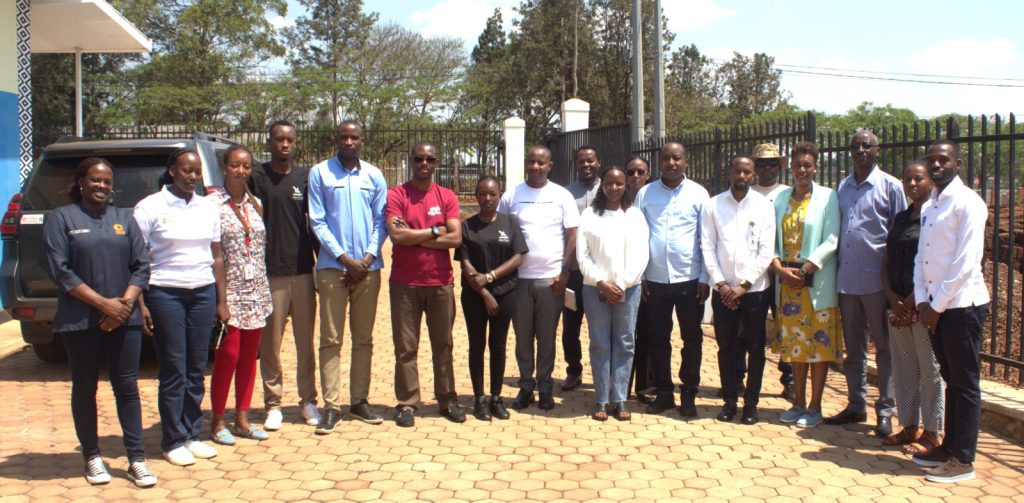
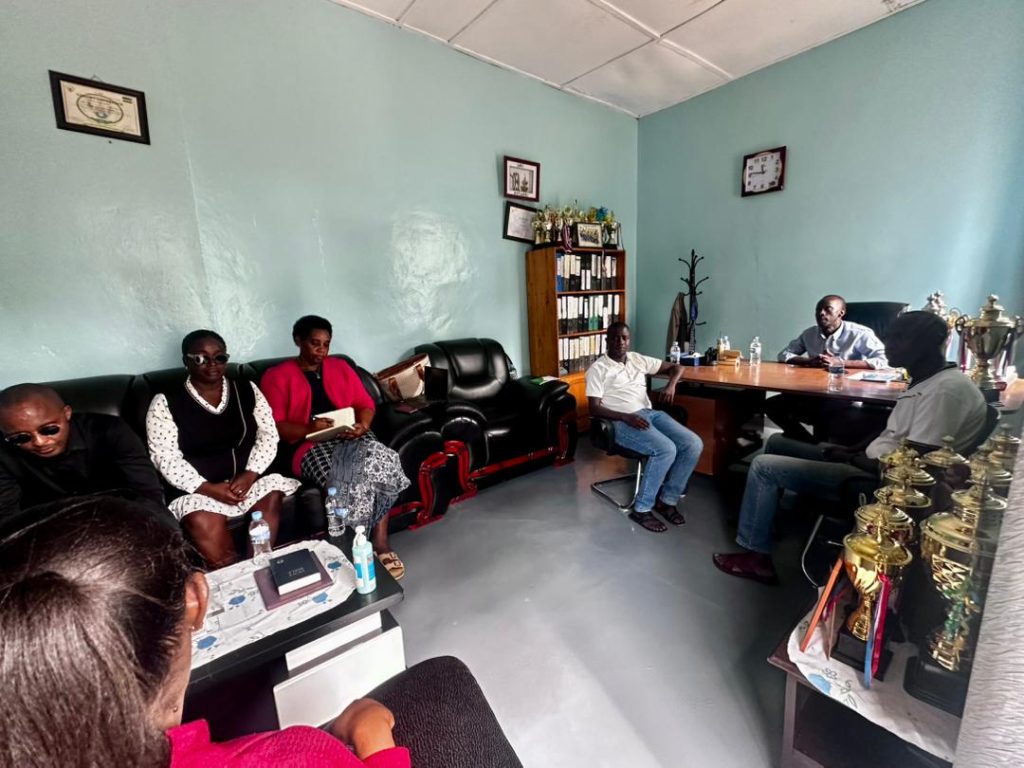
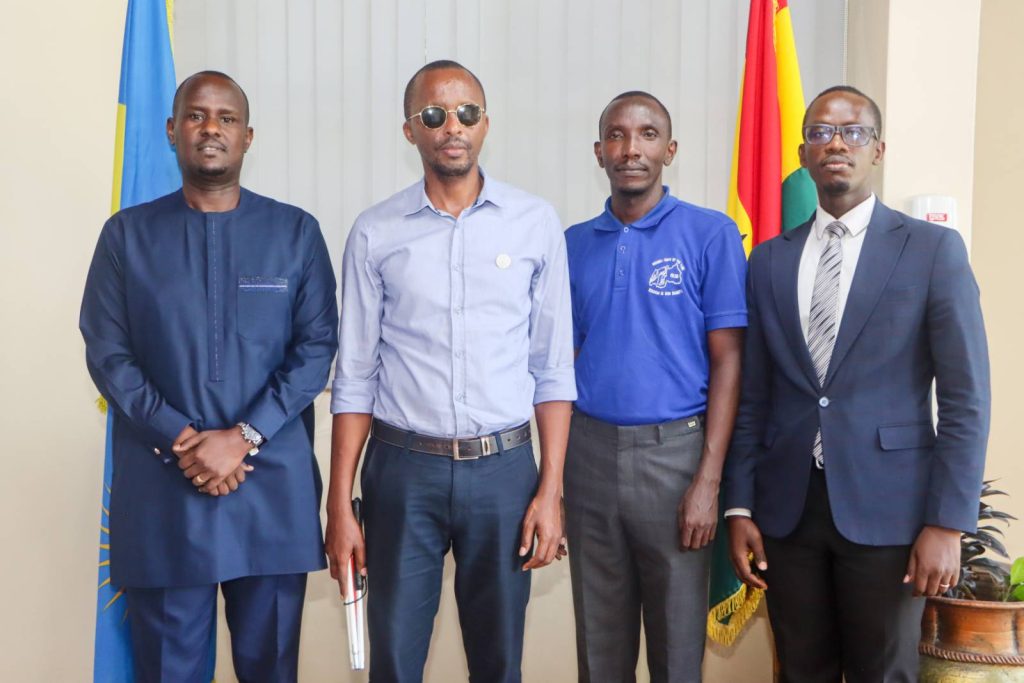
NYAMASHEKE – On Thursday, February 12, the Vice Mayor of Nyamasheke District hosted district development partners, including representatives from the Rwanda Union of the Blind (RUB). During the meeting with district leadership, Jacques Mugisha, the Executive Director of RUB, presented a new project designed to foster inclusion and empowerment for the union’s members, who are persons with visual impairments. He explained that the initiative aims to build capacity among members by focusing specifically on enhancing governance and ensuring good service delivery. Mugisha announced that this project is scheduled to run for one and a half years. With financial support from GIZ , RUB will implement this inclusive development initiative in Nyamasheke, as well as in the districts of Nyamagabe, Burera, and Ngoma

RUB meets Nyamasheke Leadership to discuss New Initiative Read More »