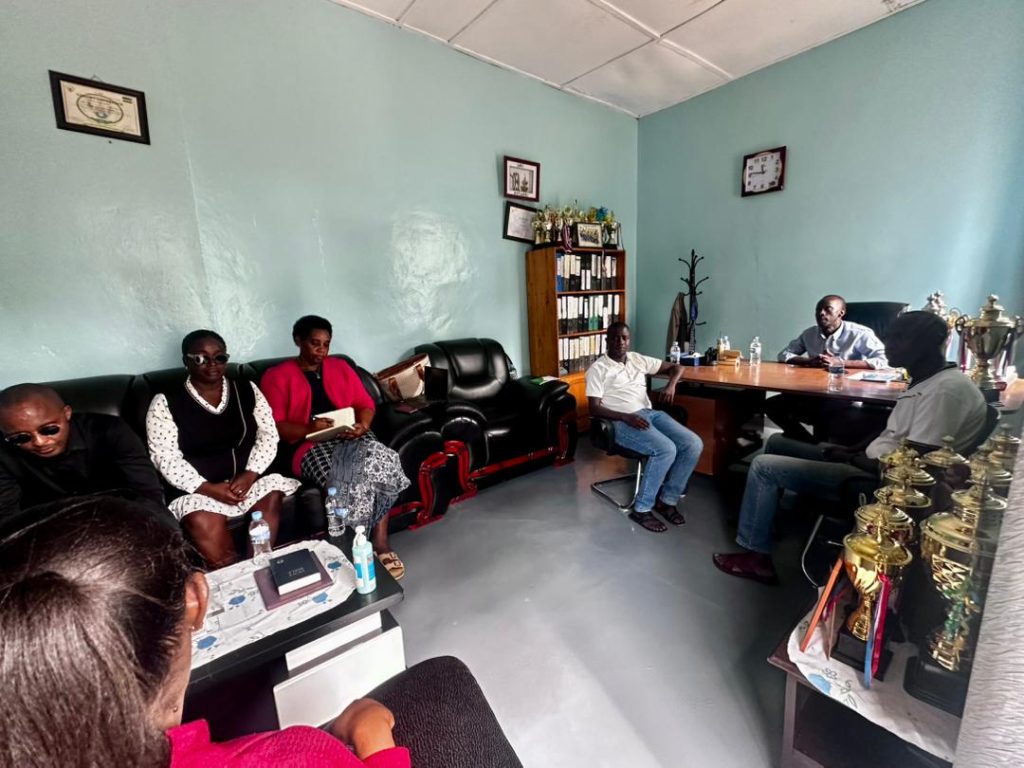
Kayonza, Rwanda – September 2, 2026: The Rwanda Union of the Blind (RUB), in partnership with the Ministry of Education and the leadership of Kayonza District, conducted a one-day visit to Groupe Scolaire Gahini to assess preparations for welcoming Learners with visual impairments during the 2026/2027 academic year.
The visit followed nearly three years without students with visual impairments attending Groupe Scolaire Gahini, despite the school’s longstanding contribution to the education of blind and visually impaired learners.
Since 1997, GS Gahini has played an important role in advancing access to education for students with visual impairments.
The school was among the institutions that opened its doors to blind learners and enabled them to participate in national examinations at a time when many schools had limited knowledge and experience in inclusive education for learners with visual impairments.
However, since 2022, no students with visual impairments had been placed at the school. The reasons for this gap had not been clearly established.
Assessing Progress and Readiness
During the visit, RUB Executive Director Jacques Mugisha explained that the organization had engaged the Ministry of Education after becoming aware of the absence of visually impaired learners at GS Gahini.
According to Mugisha, discussions with the Ministry, particularly with State Minister Dr. Claudette Irere, led to an understanding that students with visual impairments who successfully complete national examinations at Primary and O’ Level should also be considered for placement at GS Gahini during the 2026/2027 academic year.
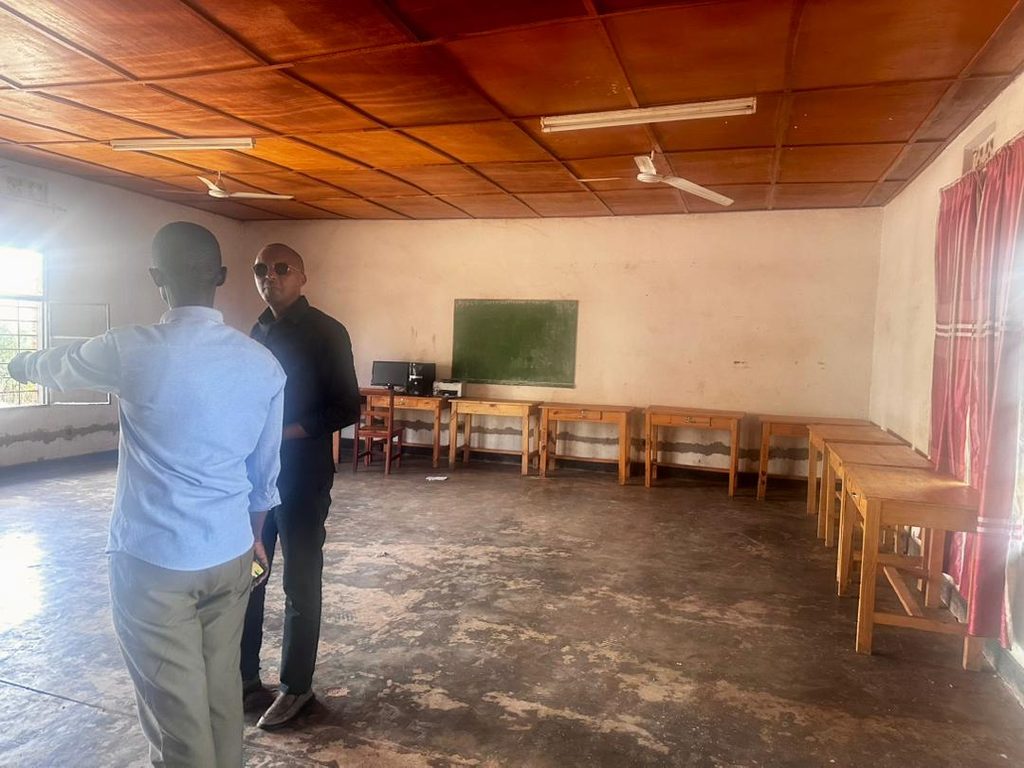
The September 2 visit was therefore organized to assess whether this commitment was being implemented following the release of examination results and the placement of students in schools.
The delegation confirmed that two students with visual impairments have been assigned to GS Gahini, while additional students may also be placed at the school.
“Since 2022, no student had gone to GS Gahini, and the main reason had not been clearly established,” Mugisha said. “It was therefore important for the different institutions to visit the school, assess the situation and ensure that the decisions reached through our discussions are being implemented.”
Strengthening the Resource Room
The delegation also visited the school’s Resource Room, an essential facility under Rwanda’s Special Needs and Inclusive Education Policy.
Resource Rooms are designed to provide specialized support and appropriate learning materials to students with disabilities. For students with visual impairments, such facilities are particularly important in ensuring access to Braille learning materials, examinations and other written information.
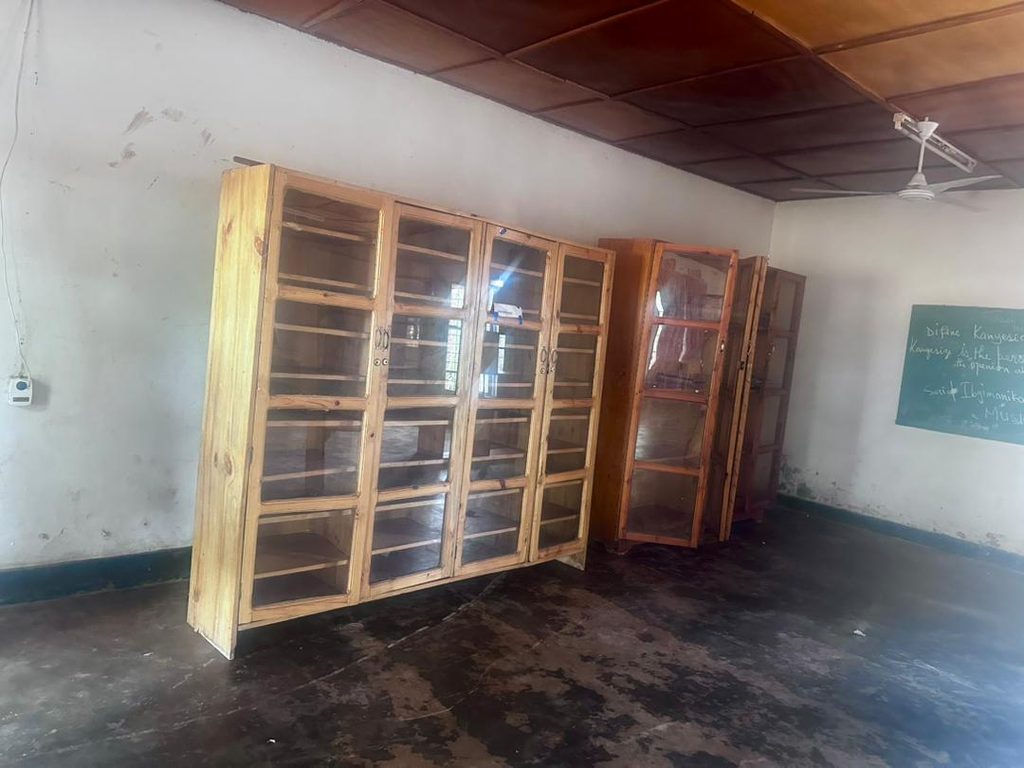
The delegation found that the Resource Room had not been utilized during the period when there were no visually impaired learners at the school. It also requires equipment and materials before it can fully meet its intended purpose.
Following the assessment, the participating institutions agreed on several actions to strengthen the school’s capacity to support blind and visually impaired learners.
Key Commitments
The stakeholders agreed that:
- GS Gahini is ready to receive students with visual impairments, with the school leadership reaffirming its commitment to inclusive education.
- REB will work to provide essential equipment for the Resource Room so that students can access the support they need from the beginning of the school year.
- Awareness activities will be conducted for teachers to strengthen understanding that students with visual impairments can successfully learn in inclusive education settings when appropriate support is provided.
- Additional teacher training will be organized, particularly in inclusive education and the education of learners with visual impairments. Refresher training will be important because teachers who previously received training may have been transferred to other schools.
- A teacher has already been designated to support the Resource Room. The teacher’s capacity, particularly in Braille, will be assessed, and additional support or a different specialist will be considered if necessary.
- Adequate Braille paper and other materials will be provided to facilitate the preparation of lessons, examinations and other learning materials.
- Annual coordination meetings will be held among relevant stakeholders to assess progress, identify challenges and ensure that students with visual impairments continue receiving the support they need.
- Students with visual impairments and their families will receive more information about available education opportunities, including the possibility of choosing GS Gahini for their next level of education.
Removing Barriers Through Collaboration
RUB emphasized the importance of continued collaboration between organizations of persons with disabilities, government institutions, schools, teachers, parents and learners in removing barriers to inclusive education.
The organization particularly called for stronger communication with students with visual impairments who are completing their studies in special schools. Providing them with accurate information about available schools and support services can help them make informed choices about where to continue their education.
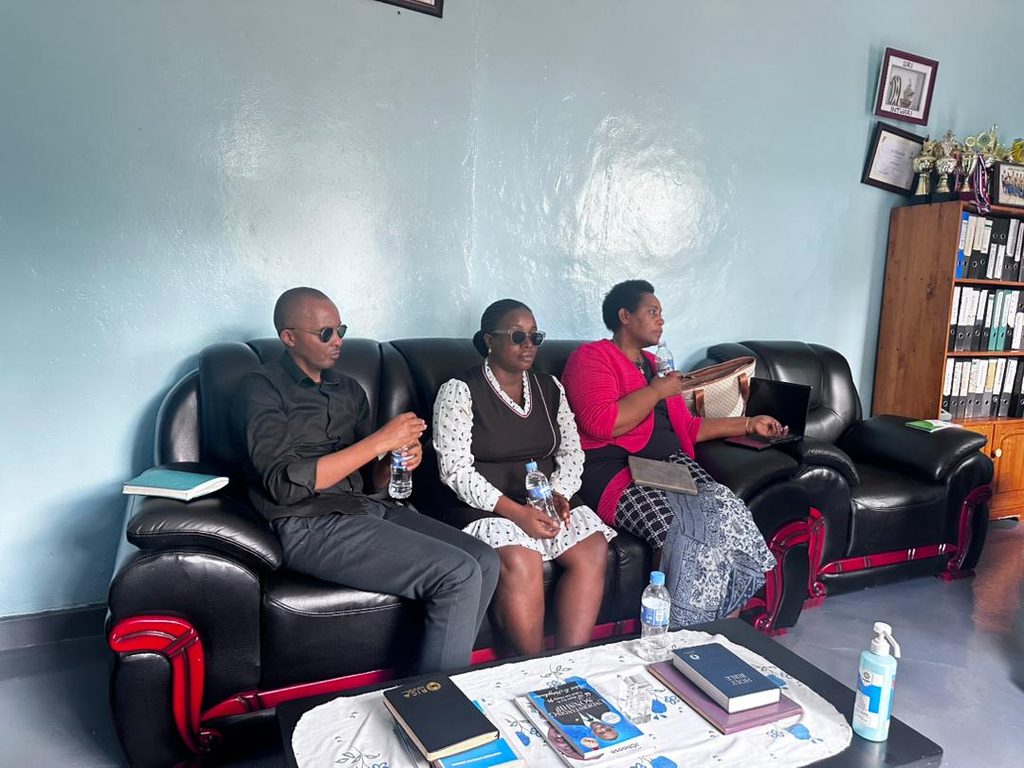
The return of visually impaired students to GS Gahini would reaffirm the school’s historical contribution to inclusive education in Rwanda. It also demonstrates the importance of ensuring that inclusive education policies are translated into practical support at school level.
RUB will continue working with the Ministry of Education, REB, local authorities and other partners to advocate for equal access to quality education for persons with visual impairments and to ensure that learners have the necessary tools, trained teachers and supportive learning environments to achieve their full potential.
The goal is clear: no learner should be left behind because of visual impairment.