RUB Calls on Parents to Discuss Sexual and Reproductive Health with Children to Prevent Teenage Pregnancies
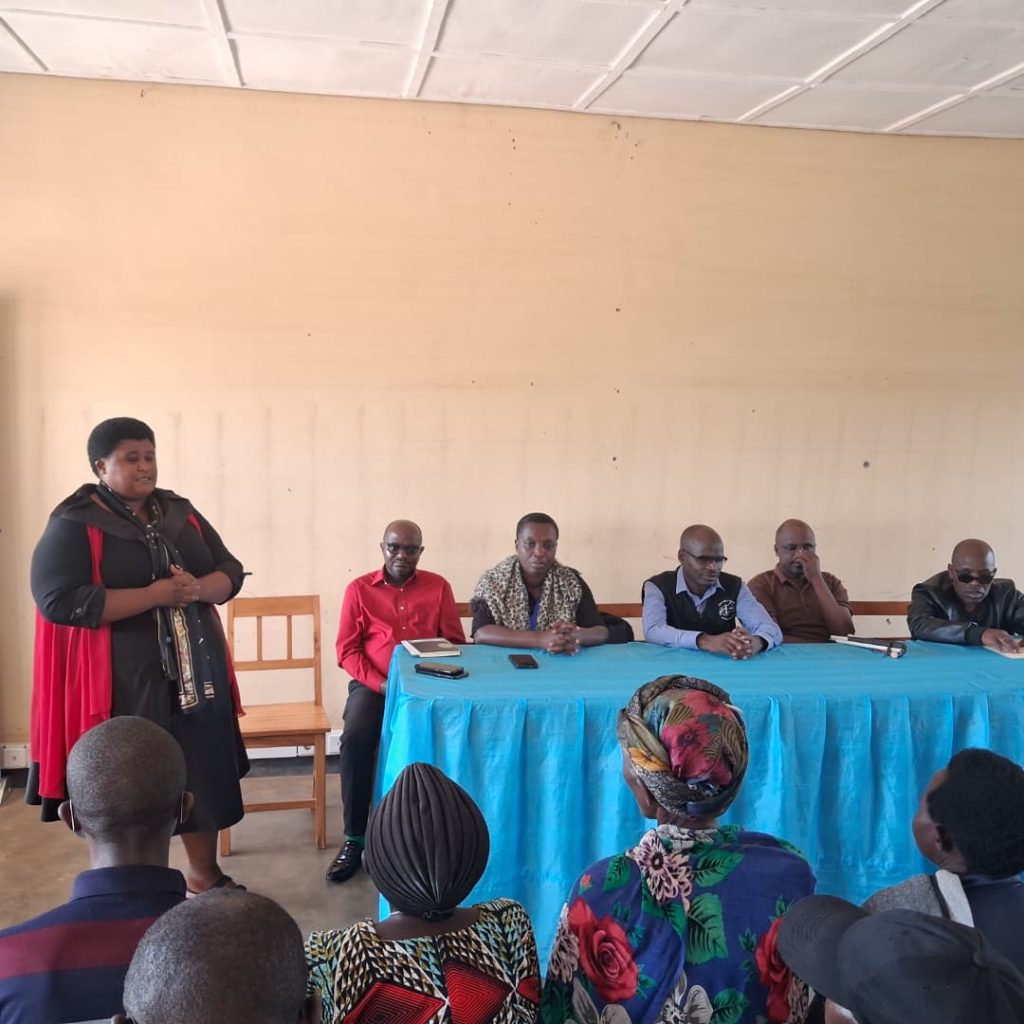
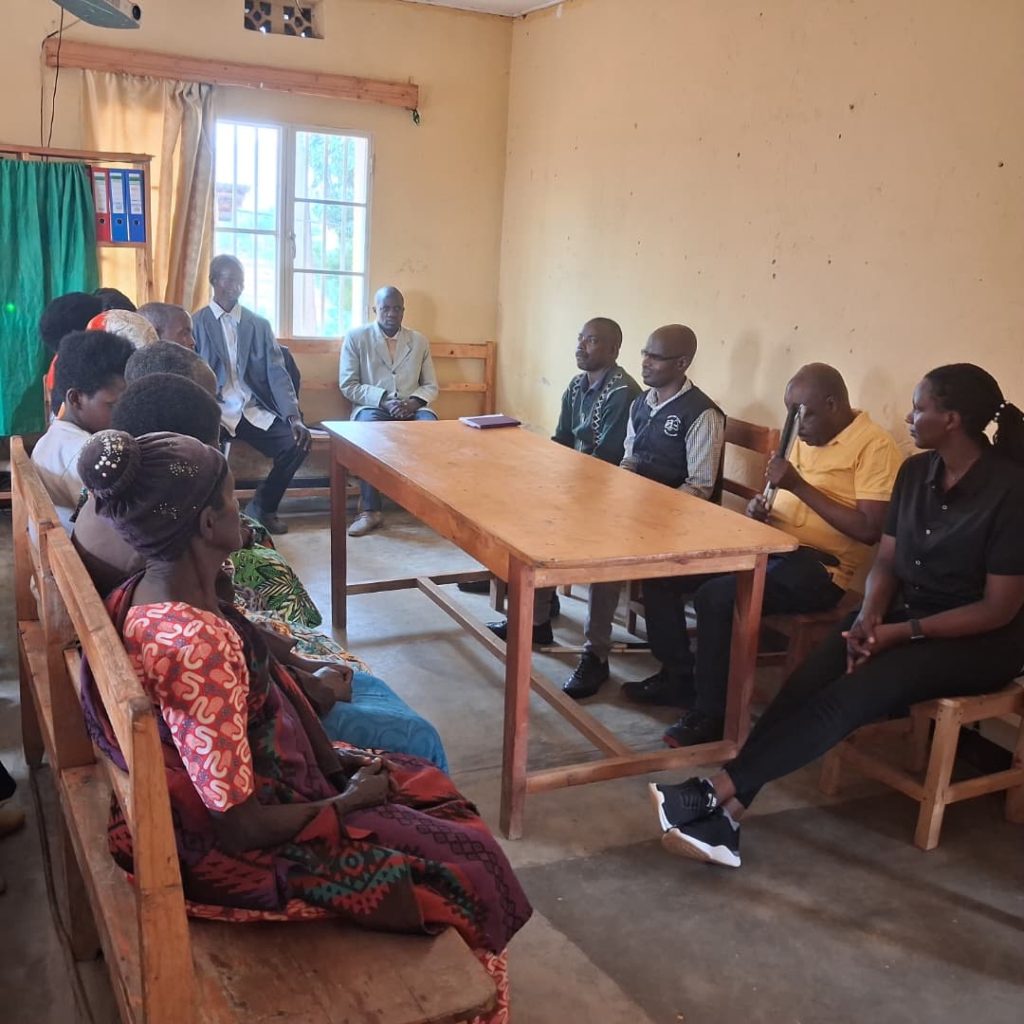
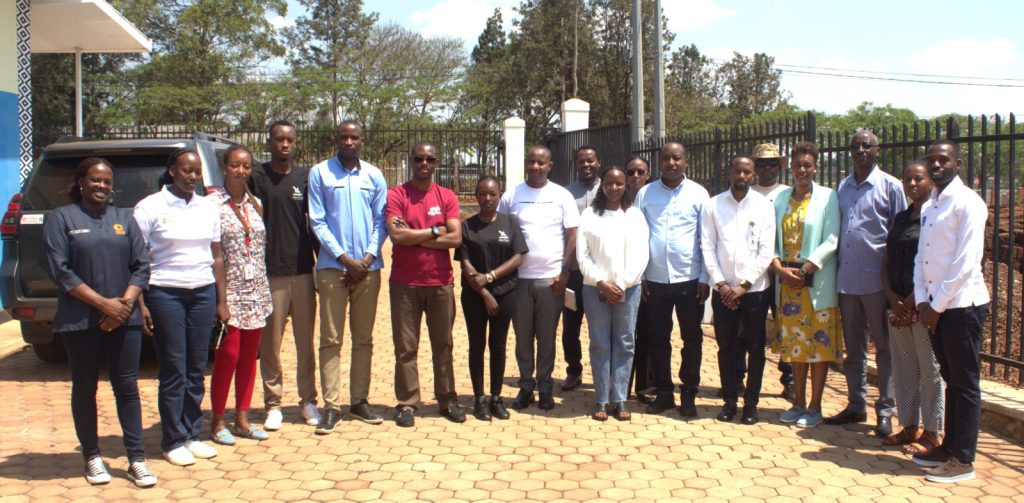
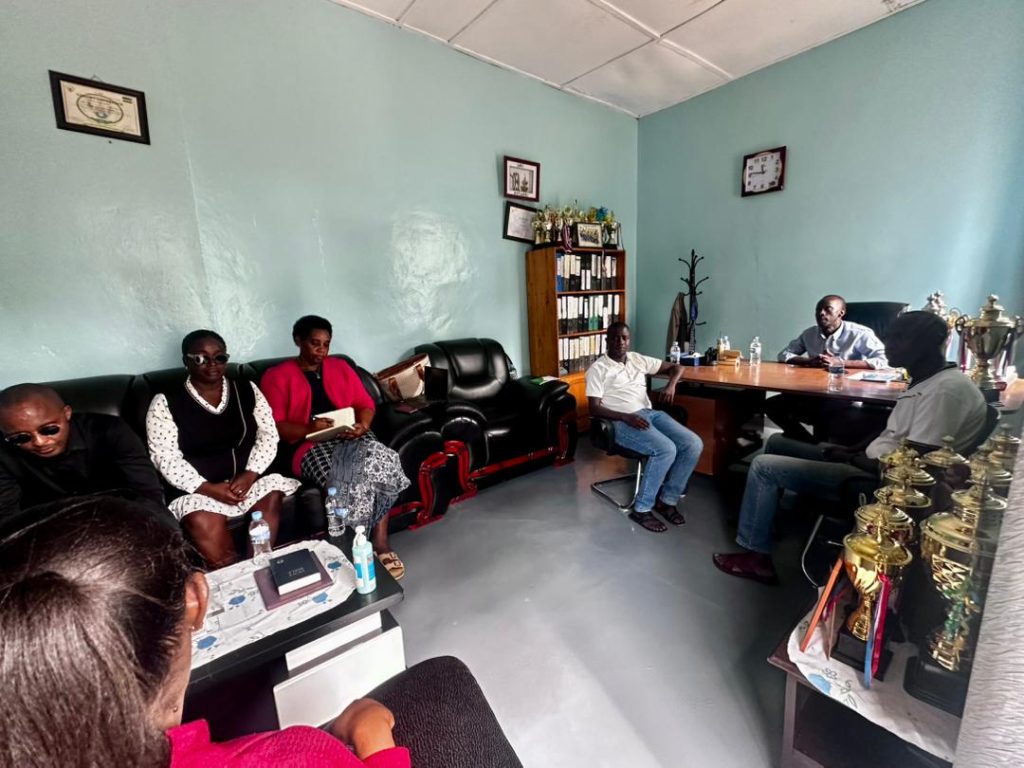
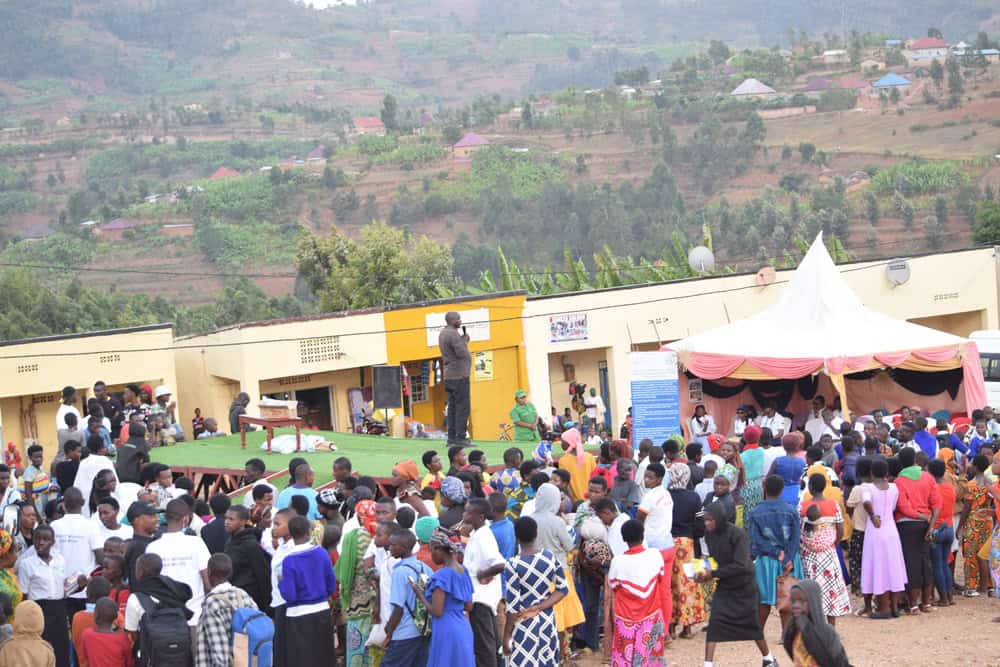
MUHANGA, Rwanda — The Rwanda Union of the Blind (RUB) has called on parents to speak openly with their children about sexual and reproductive health to help prevent teenage pregnancies, sexual abuse and sexually transmitted infections. The call was made during a community awareness campaign on sexuality education held on October 8 in Nyarusange Sector, Muhanga District. The campaign was organised by RUB in partnership with the National Union of Disability Organizations in Rwanda (NUDOR) and other partners under the Beyond Boundaries project. Promoting informed decisions among young people Venantie Mukanziza, Vice Chairperson of RUB, said many young people remain vulnerable because they lack reliable information about their sexual and reproductive health. “Today, we conducted this awareness campaign to encourage young people to take care of themselves by seeking reliable and comprehensive information about their sexual and reproductive health,” she said. Mukanziza noted that some parents avoid discussing sexuality with their children, leaving young people without the knowledge they need to make informed decisions. Those who are out of school may face even greater challenges accessing accurate information. She emphasised that early education about adolescence and reproductive health can help young people understand bodily changes, protect themselves and avoid the risks associated with unprotected sexual activity. Samuel Kamangu, Disability Mainstreaming Officer for Muhanga District, said Nyarusange was selected for the campaign after a district assessment ranked it first among the district’s 12 sectors in the number of teenage girls who had given birth at home. He urged parents and young people to communicate openly about adolescence and the consequences of early pregnancy. “When a girl becomes pregnant while she is still a child, she takes on the responsibility of raising another child while she is still young herself. Some leave school, and others end up on the streets,” Kamangu said. He also called on community members to help prevent sexual abuse, particularly against persons with disabilities, who may encounter additional barriers when reporting abuse or seeking assistance. Protecting young people with disabilities Marie Louise Manirakiza, Advocacy and Communication Officer at NUDOR and coordinator of the Beyond Boundaries project, said the campaign aims to prevent gender-based violence and help young people navigate adolescence safely. She stressed that parents have a responsibility to educate their children, monitor their well-being and seek assistance from nearby health facilities when necessary. Manirakiza warned that young people who lack reliable information may turn to their peers for advice, increasing their exposure to misinformation, unintended pregnancies and sexually transmitted infections. She added that young people with disabilities can face particular risks of sexual abuse when communication barriers, stigma or limited access to appropriate support prevent them from reporting incidents. People with hearing or speech impairments, visual impairments and intellectual disabilities may experience difficulties disclosing abuse and accessing the assistance they need. However, Manirakiza noted that the extent of the problem is difficult to establish because many survivors do not report abuse or related health complications. “Parents are the first people who should teach children and young people how to behave and make informed decisions. We urge them to open up and talk to their children about sexual and reproductive health,” she said. She emphasised that cultural discomfort around discussing sexuality should not prevent families from providing young people with the information necessary to protect themselves. Beyond Boundaries supports vulnerable young people The awareness campaign forms part of the three-year Beyond Boundaries project, which began in 2026 and is expected to run until 2028. Jeanne d’Arc Hyguette Nsabimana, a Beyond Boundaries project officer and RUB staff member, said the initiative targets vulnerable young people, including girls who gave birth before the age of 18 and young women who have experienced sexual abuse. The project operates in five districts through five organisations, with NUDOR serving as the coordinating organisation. RUB implements activities in Muhanga District, particularly in Nyarusange Sector. Its objectives include improving access to comprehensive sexuality education in schools and communities, empowering young people facing multiple vulnerabilities to make informed decisions about their bodies, and improving access to inclusive, youth-friendly services. Activities include community outreach campaigns, discussions between parents and young people, and sessions where teenage mothers and survivors of gender-based violence can share their experiences. These activities aim to help other young people understand the consequences of risky sexual behaviour and the importance of seeking reliable information. Nsabimana added that the project also supports survivors in accessing justice. Survivor shares her experience to educate others For Angelique Nyirahagenima, a resident of Ngaru Cell in Nyarusange Sector, access to information and support has helped her better understand sexual health and how to protect herself and others. Nyirahagenima said she was raped at the age of 17 and became pregnant. Her child is now seven years old. She said the Beyond Boundaries project has provided her with various forms of support, while the awareness campaign helped her gain a better understanding of sexual and reproductive health. “Before, I did not know these things. A boy could deceive you by saying that having sex would not result in pregnancy, or that you could not become pregnant if you had sex while standing,” she said. Nyirahagenima said she intends to use the knowledge she has gained to warn other girls against misinformation and guide survivors towards services where they can receive assistance. She encouraged survivors of sexual violence to seek medical care as soon as possible and report cases to the appropriate authorities, including an Isange One Stop Centre, where survivors can access support and assistance in pursuing justice. Through community awareness and inclusive sexuality education, RUB and its partners are working to ensure that young people, particularly those with disabilities and other vulnerabilities, have the information and support they need to make informed decisions, protect themselves and live with dignity.