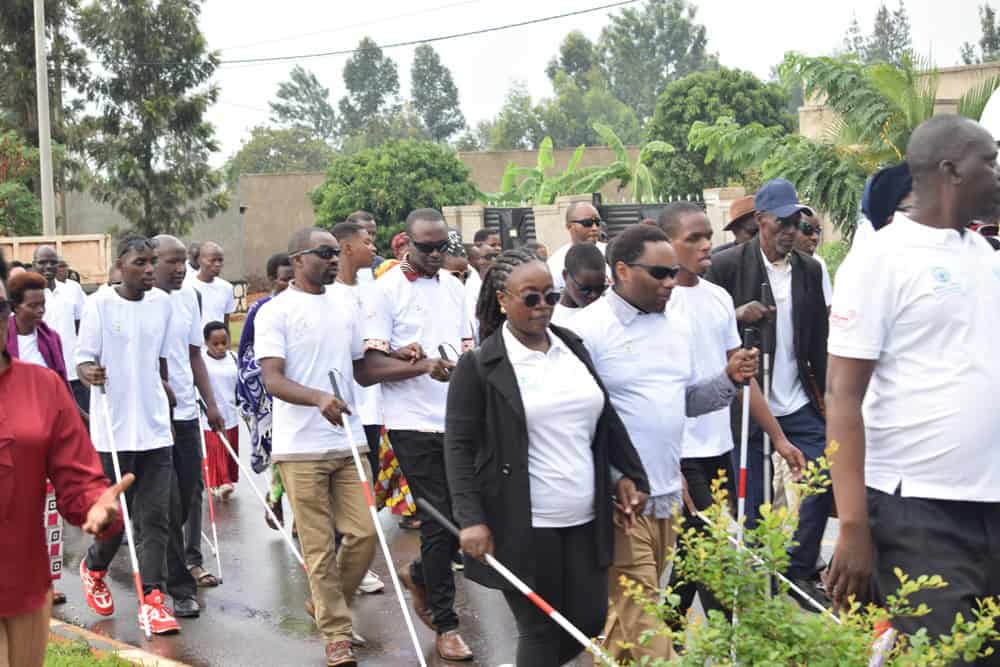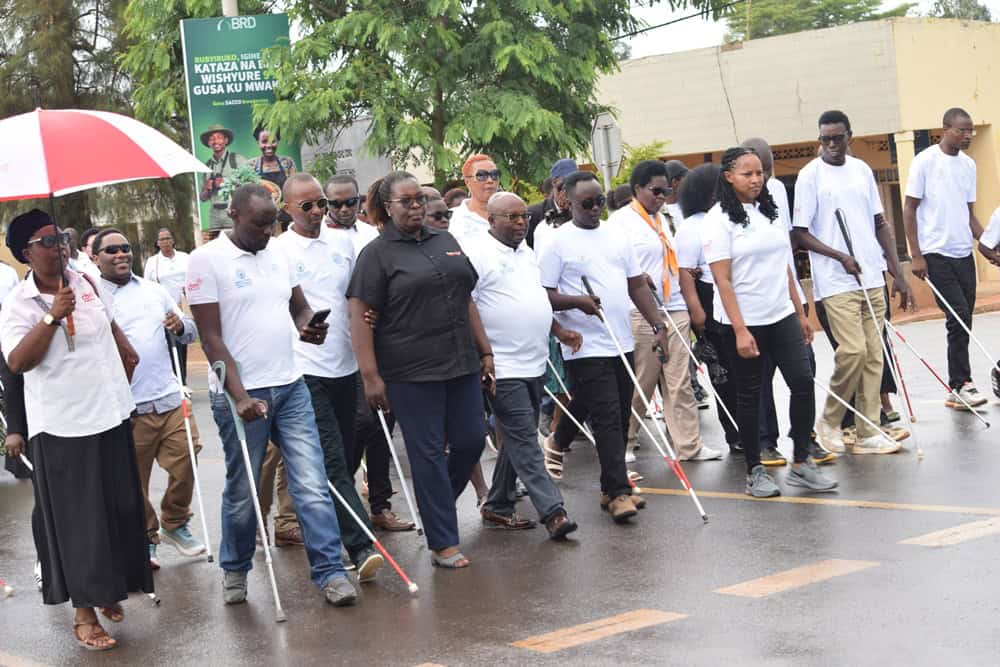
KABARORE, Gatsibo District, October 22, 2026 — The Rwanda Union of the Blind (RUB) has called on parents, schools and communities to ensure that children with visual impairments have equal opportunities to access education and develop their potential.
The call was made during the celebration of International White Cane Day in Kabarore Sector, Gatsibo District, held under the theme “Vision Beyond the Sight.”
Dr. Beth Nasiforo Mukarwego, Chairperson of RUB, said children with visual impairments have the same right to education as other children and should not be denied schooling because of their disability.
She expressed concern that some parents who can afford to educate children without disabilities sometimes claim they lack the financial means to educate a child with a disability.
“If you have a child who is blind, do not treat it as a disgrace. Be grateful for the child you have, take them to school and pay their school fees without hesitation,” Mukarwego said.
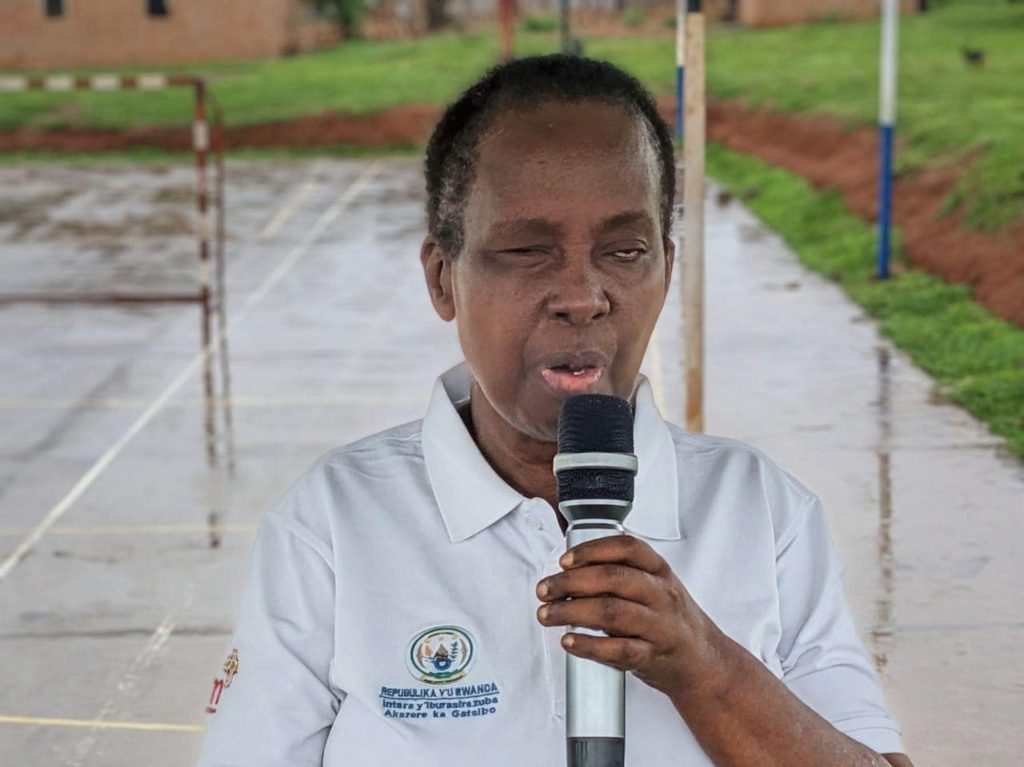
She emphasised that children with visual impairments deserve opportunities to learn, develop their abilities and participate fully in society. She also highlighted the importance of supporting girls with disabilities, who may face additional barriers to education and social participation.
Mukarwego said RUB continues to work with different institutions to promote the rights and inclusion of people with visual impairments, calling for stronger efforts to ensure that no child is left behind.
She further urged the public to recognise that people who are blind can contribute to society in various professions, including teaching, healthcare and management.
“Although we cannot see with our eyes, what we can do goes beyond sight. A person’s ability to work should be judged by their performance, not by whether they can see,” she said.
Education Opens Opportunities for Young People with Visual Impairments
Regine Umuhoza, a person with a visual impairment who represents young people on the RUB Board, said education is essential for people with disabilities to realise their potential and participate fully in society.
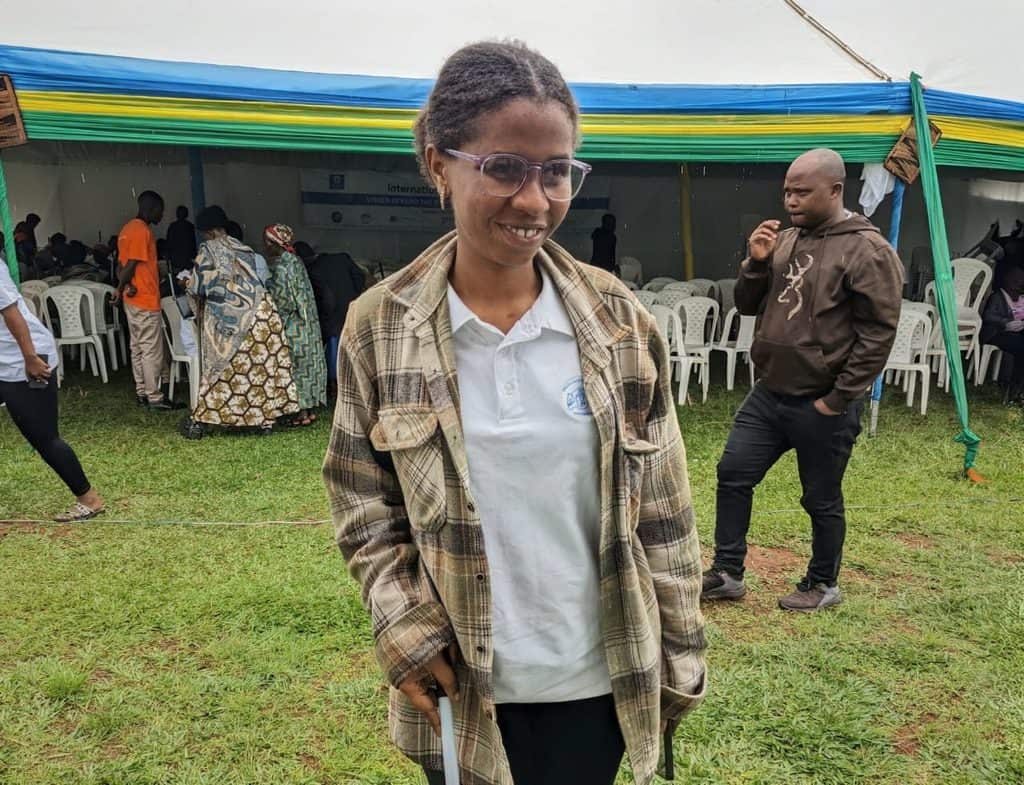
Having graduated from university in 2025, Umuhoza encouraged parents and communities to help ensure that children with visual impairments enrol in school and receive the support they need to succeed.
“Having a visual impairment does not mean that a person is incapable,” she said.
Umuhoza also highlighted the importance of the white cane in promoting independence and enabling people with visual impairments to participate in everyday activities.
“With my white cane, I can go to the market, visit friends, go to the stadium to support my team and travel to many other places,” she said.
She explained that without a white cane, she would often need someone to accompany her, limiting her freedom of movement.
Her testimony highlighted the importance of combining inclusive education with access to assistive devices that enable people with visual impairments to live independently.
More Efforts Needed to Expand Access to Education
Philippe Ngirente, Secretary of the Executive Committee of the National Council of Persons with Disabilities (NCPD), acknowledged Rwanda’s progress in promoting opportunities for people with disabilities but said further efforts are needed to improve access to education for children with visual impairments.
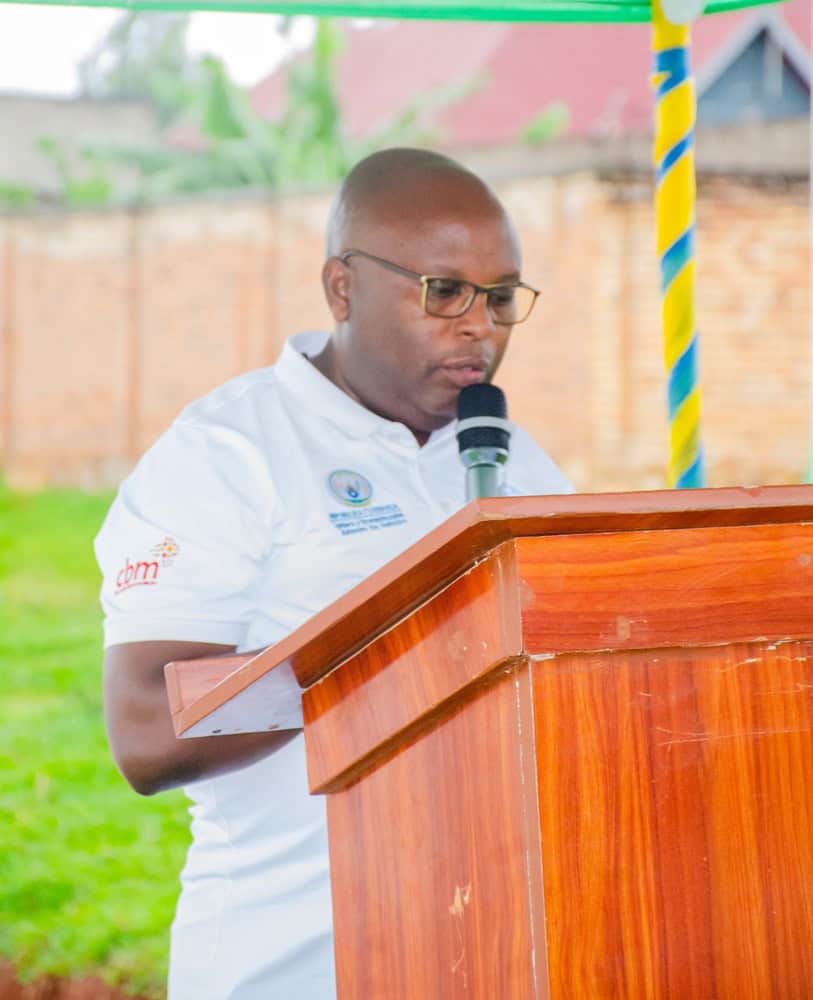
“We still face the challenge of not having enough schools for people with visual impairments. At present, we have only about four schools in the country,” Ngirente said.
He noted that some children remain out of school because their parents do not enrol them, stressing the need for closer cooperation between families and relevant institutions to ensure every child receives an education.
Ngirente also highlighted government efforts to prevent visual impairments through early detection and medical treatment.
According to him, approximately 200 people with visual impairments have graduated from university in Rwanda, demonstrating the opportunities that education can create for people with disabilities.
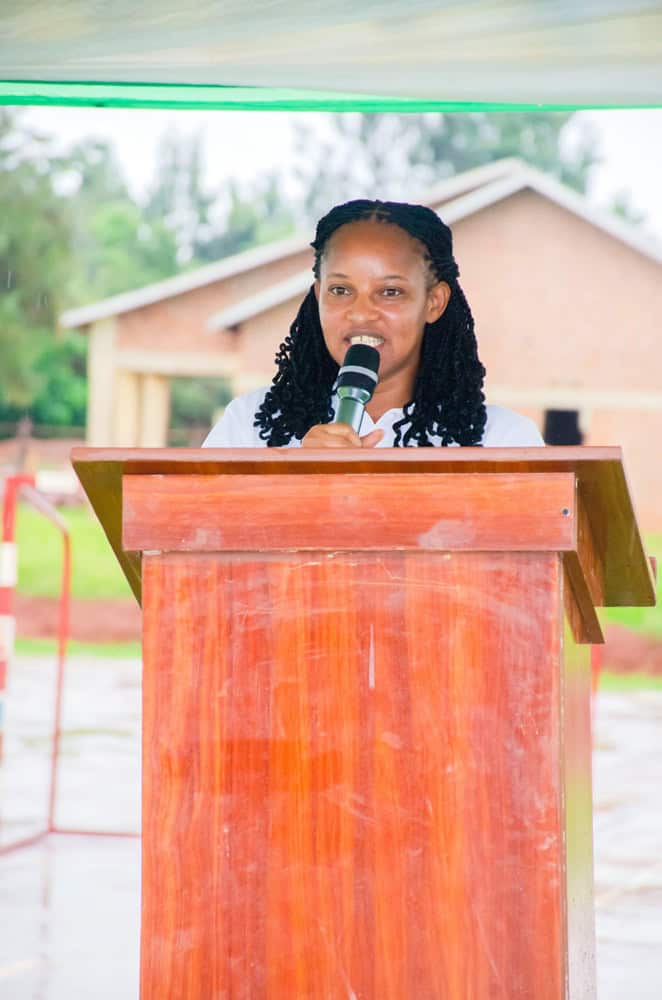
Marceline Mukamana, Gatsibo District Vice Mayor in charge of Social Affairs, said people with disabilities possess valuable abilities and can make meaningful contributions to national development.
She reaffirmed the district’s commitment to advocating for equal educational opportunities and promoting the inclusion of people with disabilities in community life.
“People with disabilities have abilities and contribute to building the country. A person’s ability should not be measured by their eyesight alone, but also by their ideas,” Mukamana said.
170 People Receive White Canes
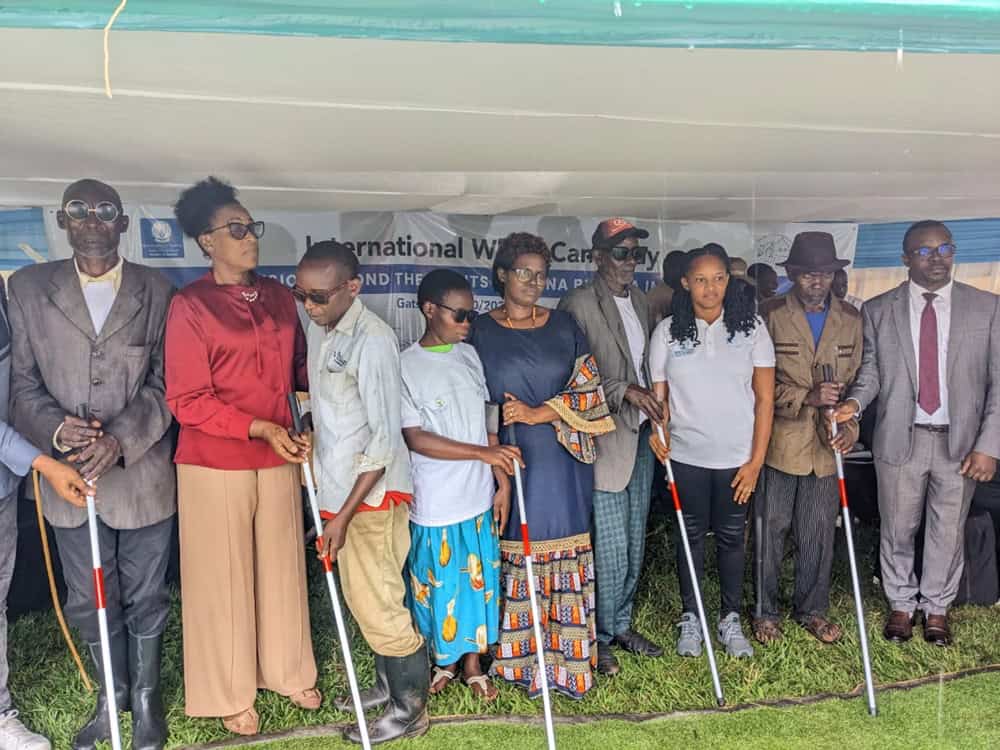
During the celebration, 170 people received white canes to support their mobility and independence.
Information provided at the event indicated that approximately 1,200 white canes have been distributed over the 18 years Rwanda has marked International White Cane Day.
The annual observance raises awareness of the importance of white canes in helping people who are blind or visually impaired navigate their surroundings safely. It also promotes their rights, independence and inclusion in society.
Speakers at the event stressed that assistive devices alone are not enough. Children with visual impairments also need supportive families, accessible and inclusive schools, and communities that recognise their abilities and respect their right to education.
RUB continues to call for collective action to ensure that children with visual impairments are given the opportunity to learn, build their futures and contribute to Rwanda’s development.