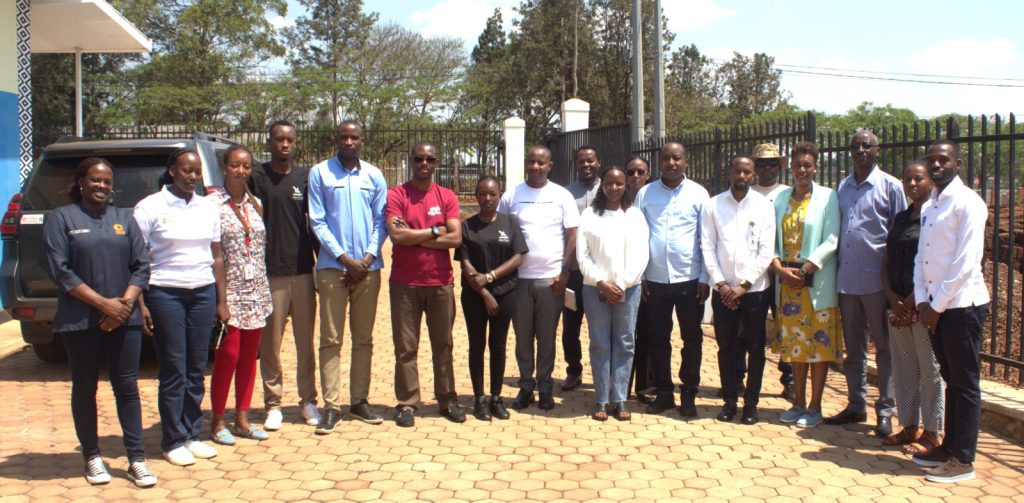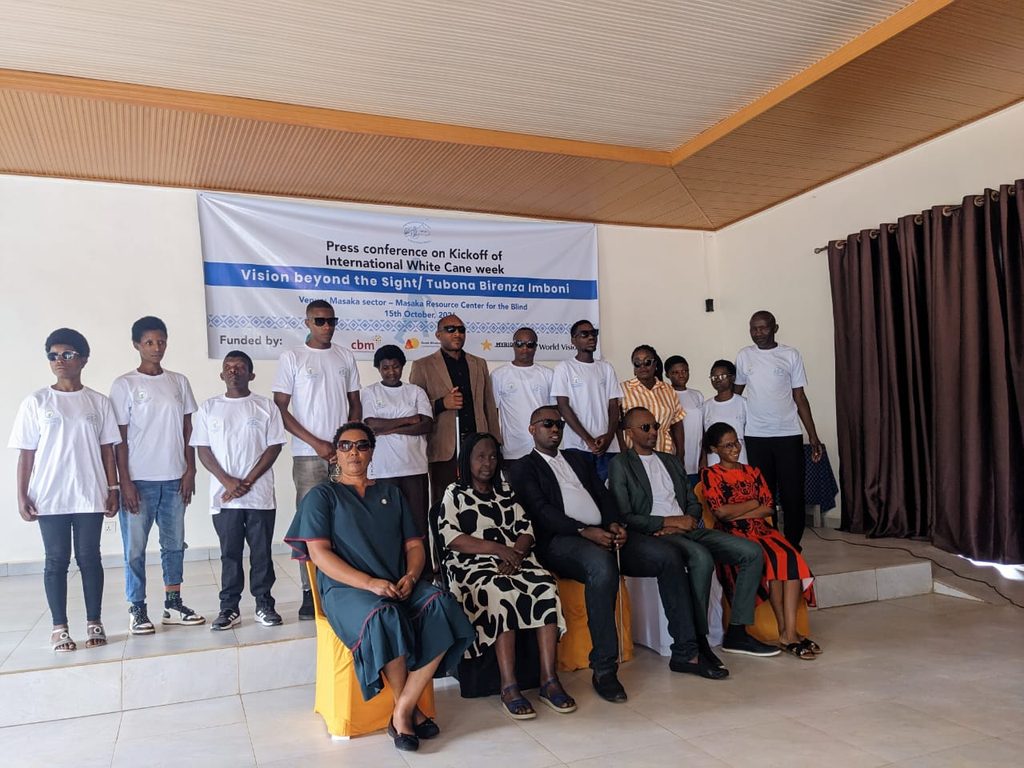
Rwanda Union of the Blind Launches International White Cane Week Under the Theme “Vision Beyond the Sight”

Masaka, Kigali, Rwanda — October 15, 2026 The Rwanda Union of the Blind (RUB) has launched International White Cane Week 2026 at the Masaka Resource Center for the Blind (MRCB), calling for greater recognition of the rights, abilities and independence of people who are blind or visually impaired. Held under the theme “Vision Beyond the Sight,” the launch brought together representatives of RUB, people with visual impairments and other stakeholders to highlight the importance of white canes in promoting independent mobility, accessibility and full participation in society. The week aims to raise awareness about the experiences of people with visual impairments, challenge misconceptions about their abilities and encourage collective action to remove barriers that limit their independence. White canes: A pathway to independence The white cane is an essential mobility tool that enables people who are blind or visually impaired to navigate their surroundings, travel to work and school, access public services and participate in everyday community activities. However, access to these devices remains a significant challenge in Rwanda. According to RUB, a white cane can cost approximately Rwf50,000, making it unaffordable for many people with visual impairments, particularly those with limited incomes. The devices are also imported and are not consistently available on the local market. During the launch, Pappy Sibomana, a member of RUB’s Advocacy Committee and an assistant lecturer at Rwanda Polytechnic’s Musanze Campus, called for government support to improve access to white canes, including through Community-Based Health Insurance (Mutuelle de santé) and their availability in local pharmacies and hospitals. He noted that financial constraints and limited availability can prevent people with visual impairments from moving independently and participating fully in society. Dr. Beth Nasiforo Mukarwego, chairperson of RUB, emphasised that the white cane is indispensable to the daily lives of people who are blind or visually impaired. She called for stronger support from government institutions, businesses and development partners to make the devices more affordable and accessible. She also proposed exploring local manufacturing of white canes to reduce dependence on imports and improve the availability of replacement devices. Strengthening access across Rwanda Jacques Mugisha, executive director of RUB, said the organisation was engaging relevant government institutions, including the Rwanda Social Security Board (RSSB), to explore sustainable solutions for improving access to white canes. Among the proposals being discussed is the distribution of white canes through district pharmacies, which would allow people to obtain the devices closer to where they live instead of depending solely on supplies distributed through RUB. RUB distributed 395 white canes in the previous year and expected to distribute between 150 and 200 in 2026, depending on available supplies. The organisation operates through a network of 64 local structures and has reached approximately 1,992 people with visual impairments through its activities. However, the need remains substantial. Mugisha cited Rwanda’s 2022 census figures indicating that more than 100,000 people in the country have visual impairments. RUB is calling on partners, businesses, families and members of the public to support efforts to provide white canes to people who cannot afford them. “Vision Beyond the Sight”: Recognising ability, not disability The theme of this year’s International White Cane Week challenges the misconception that people who cannot see are unable to work, lead, learn or contribute meaningfully to society. People with visual impairments work in various professional fields, including education, healthcare and management, while supporting their families and contributing to national development. The launch at the Masaka Resource Center for the Blind also highlighted the importance of combining access to assistive devices with appropriate training. White canes help users move around independently, but learning how to use them effectively is equally important. Through International White Cane Week, RUB seeks to reinforce the message that blindness should not be a barrier to opportunity, dignity or participation in society. A call for inclusion and collective responsibility RUB calls on government institutions, health insurance stakeholders, private businesses, development partners and the public to work together to improve the affordability, availability and distribution of white canes throughout Rwanda. The organisation believes that improved access to mobility aids, alongside inclusive policies and greater public awareness, can help people who are blind or visually impaired participate more fully in education, employment and community life. As International White Cane Week begins, RUB urges all stakeholders to move beyond awareness and support practical measures that promote independence, accessibility and equal opportunities for people with visual impairments. The message of “Vision Beyond the Sight” is clear: people who are blind or visually impaired have abilities, aspirations and contributions that deserve recognition, support and equal opportunity. About the Rwanda Union of the Blind (RUB) The Rwanda Union of the Blind is an organisation advocating for the rights, inclusion and improved quality of life of people who are blind or visually impaired in Rwanda. Through advocacy, community engagement and collaboration with stakeholders, RUB works to promote accessibility, independent living and equal opportunities.
Rwanda Union of the Blind Launches International White Cane Week Under the Theme “Vision Beyond the Sight” Read More »

RUB Calls on Parents to Discuss Sexual and Reproductive Health with Children to Prevent Teenage Pregnancies

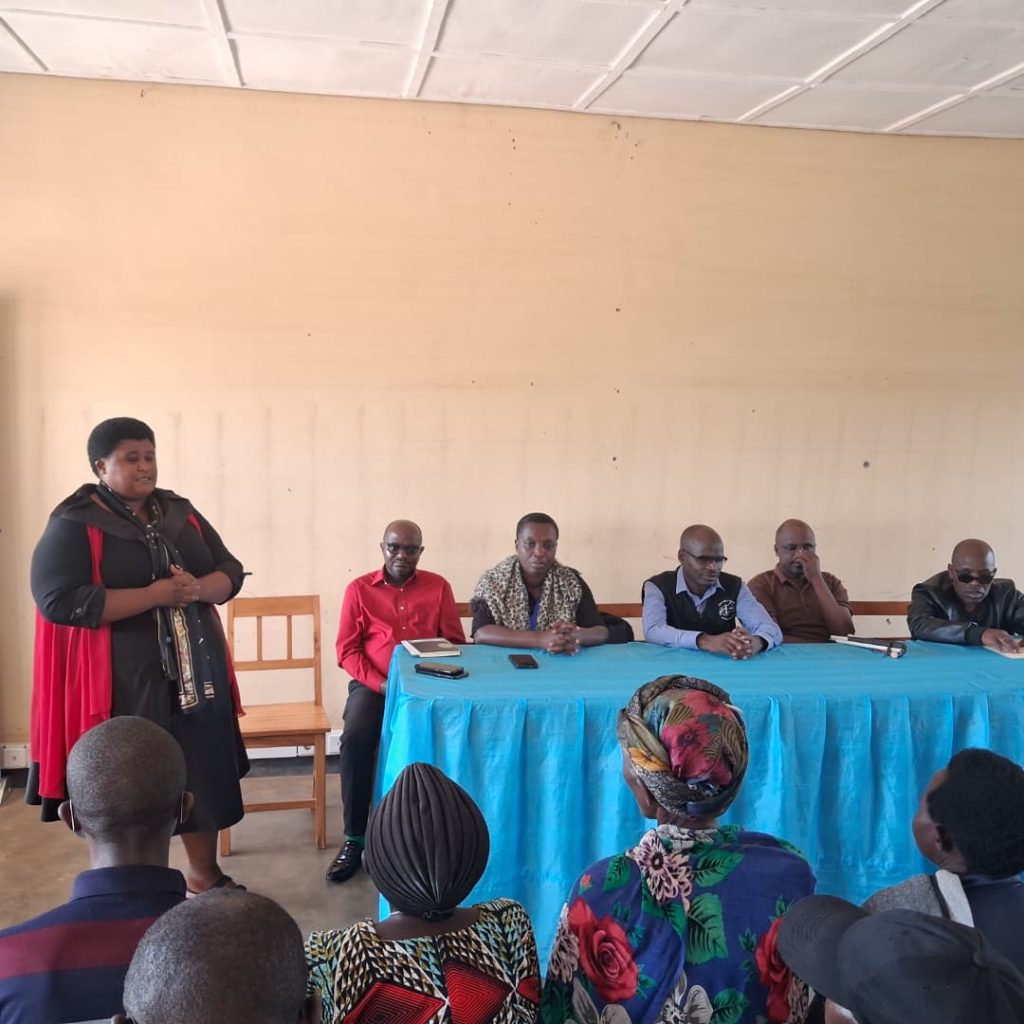
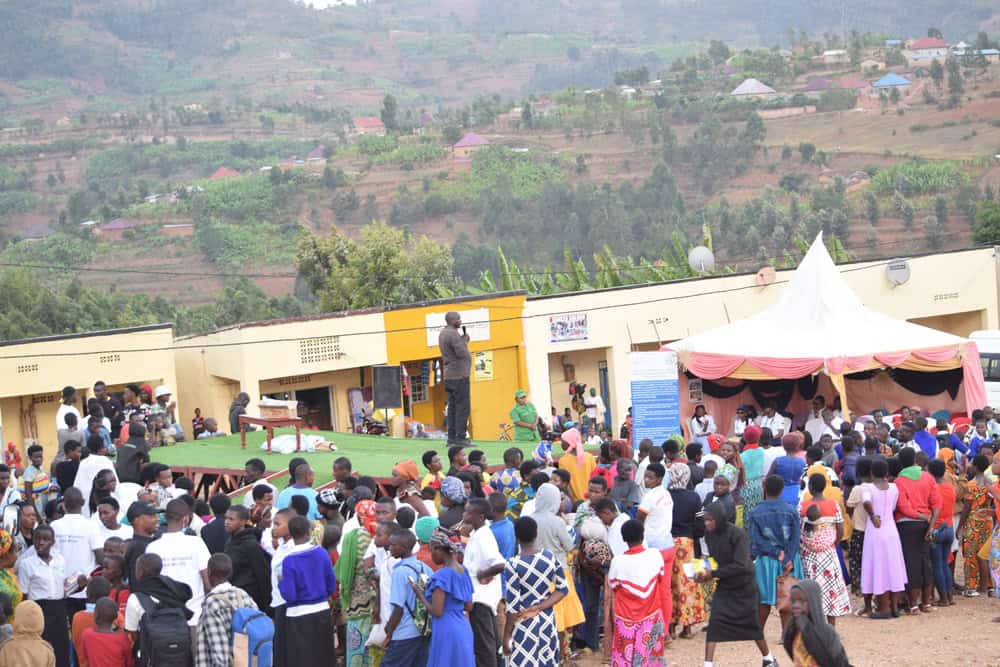
MUHANGA, Rwanda — The Rwanda Union of the Blind (RUB) has called on parents to speak openly with their children about sexual and reproductive health to help prevent teenage pregnancies, sexual abuse and sexually transmitted infections. The call was made during a community awareness campaign on sexuality education held on October 8 in Nyarusange Sector, Muhanga District. The campaign was organised by RUB in partnership with the National Union of Disability Organizations in Rwanda (NUDOR) and other partners under the Beyond Boundaries project. Promoting informed decisions among young people Venantie Mukanziza, Vice Chairperson of RUB, said many young people remain vulnerable because they lack reliable information about their sexual and reproductive health. “Today, we conducted this awareness campaign to encourage young people to take care of themselves by seeking reliable and comprehensive information about their sexual and reproductive health,” she said. Mukanziza noted that some parents avoid discussing sexuality with their children, leaving young people without the knowledge they need to make informed decisions. Those who are out of school may face even greater challenges accessing accurate information. She emphasised that early education about adolescence and reproductive health can help young people understand bodily changes, protect themselves and avoid the risks associated with unprotected sexual activity. Samuel Kamangu, Disability Mainstreaming Officer for Muhanga District, said Nyarusange was selected for the campaign after a district assessment ranked it first among the district’s 12 sectors in the number of teenage girls who had given birth at home. He urged parents and young people to communicate openly about adolescence and the consequences of early pregnancy. “When a girl becomes pregnant while she is still a child, she takes on the responsibility of raising another child while she is still young herself. Some leave school, and others end up on the streets,” Kamangu said. He also called on community members to help prevent sexual abuse, particularly against persons with disabilities, who may encounter additional barriers when reporting abuse or seeking assistance. Protecting young people with disabilities Marie Louise Manirakiza, Advocacy and Communication Officer at NUDOR and coordinator of the Beyond Boundaries project, said the campaign aims to prevent gender-based violence and help young people navigate adolescence safely. She stressed that parents have a responsibility to educate their children, monitor their well-being and seek assistance from nearby health facilities when necessary. Manirakiza warned that young people who lack reliable information may turn to their peers for advice, increasing their exposure to misinformation, unintended pregnancies and sexually transmitted infections. She added that young people with disabilities can face particular risks of sexual abuse when communication barriers, stigma or limited access to appropriate support prevent them from reporting incidents. People with hearing or speech impairments, visual impairments and intellectual disabilities may experience difficulties disclosing abuse and accessing the assistance they need. However, Manirakiza noted that the extent of the problem is difficult to establish because many survivors do not report abuse or related health complications. “Parents are the first people who should teach children and young people how to behave and make informed decisions. We urge them to open up and talk to their children about sexual and reproductive health,” she said. She emphasised that cultural discomfort around discussing sexuality should not prevent families from providing young people with the information necessary to protect themselves. Beyond Boundaries supports vulnerable young people The awareness campaign forms part of the three-year Beyond Boundaries project, which began in 2026 and is expected to run until 2028. Jeanne d’Arc Hyguette Nsabimana, a Beyond Boundaries project officer and RUB staff member, said the initiative targets vulnerable young people, including girls who gave birth before the age of 18 and young women who have experienced sexual abuse. The project operates in five districts through five organisations, with NUDOR serving as the coordinating organisation. RUB implements activities in Muhanga District, particularly in Nyarusange Sector. Its objectives include improving access to comprehensive sexuality education in schools and communities, empowering young people facing multiple vulnerabilities to make informed decisions about their bodies, and improving access to inclusive, youth-friendly services. Activities include community outreach campaigns, discussions between parents and young people, and sessions where teenage mothers and survivors of gender-based violence can share their experiences. These activities aim to help other young people understand the consequences of risky sexual behaviour and the importance of seeking reliable information. Nsabimana added that the project also supports survivors in accessing justice. Survivor shares her experience to educate others For Angelique Nyirahagenima, a resident of Ngaru Cell in Nyarusange Sector, access to information and support has helped her better understand sexual health and how to protect herself and others. Nyirahagenima said she was raped at the age of 17 and became pregnant. Her child is now seven years old. She said the Beyond Boundaries project has provided her with various forms of support, while the awareness campaign helped her gain a better understanding of sexual and reproductive health. “Before, I did not know these things. A boy could deceive you by saying that having sex would not result in pregnancy, or that you could not become pregnant if you had sex while standing,” she said. Nyirahagenima said she intends to use the knowledge she has gained to warn other girls against misinformation and guide survivors towards services where they can receive assistance. She encouraged survivors of sexual violence to seek medical care as soon as possible and report cases to the appropriate authorities, including an Isange One Stop Centre, where survivors can access support and assistance in pursuing justice. Through community awareness and inclusive sexuality education, RUB and its partners are working to ensure that young people, particularly those with disabilities and other vulnerabilities, have the information and support they need to make informed decisions, protect themselves and live with dignity.

RUB Calls on Parents to Discuss Sexual and Reproductive Health with Children to Prevent Teenage Pregnancies Read More »

Gato Marcelline: Blind Rwandan Journalist Turns Disability Into a Force for Success

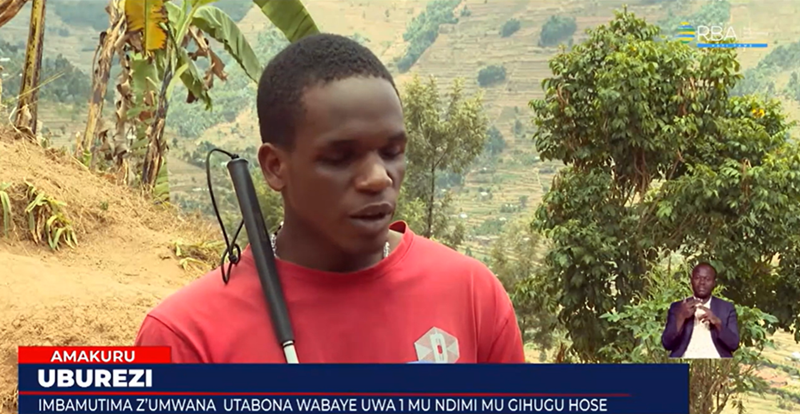
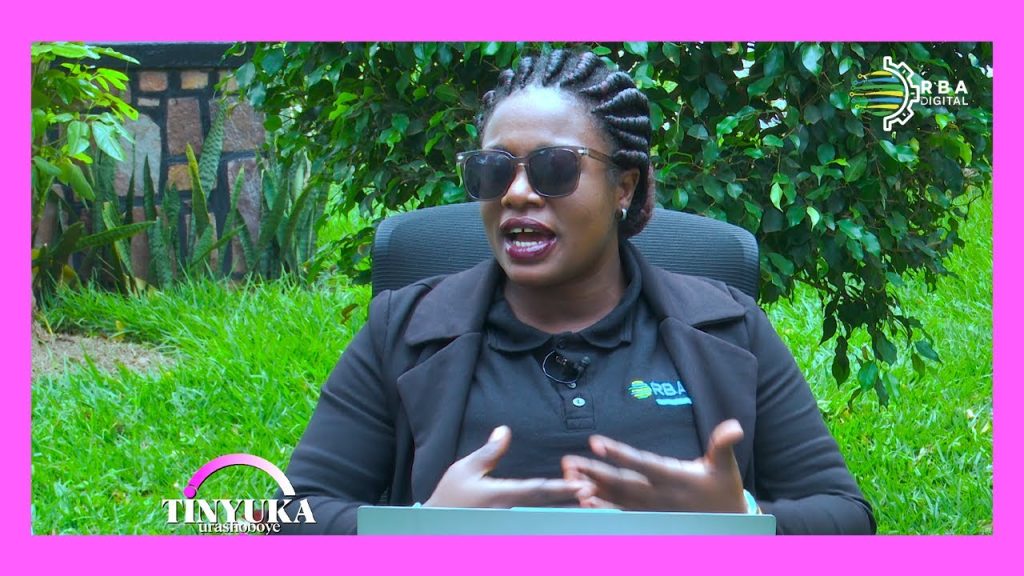
For Gato Marcelline, losing her sight at a young age did not mean losing her dreams. The Rwandan mother and journalist has defied the limitations often associated with visual impairment to build a career in journalism, where she now works for Rwanda Broadcasting Agency (RBA), particularly on Radio Rwanda. Gato’s journey began like that of many other children, with a determination to attend school and build a future for herself. However, as she progressed through her education, she had to make difficult choices about the subjects she would pursue, taking into consideration the challenges posed by her visual impairment. Today, she describes her position in the media as something she once considered almost impossible to achieve. “My journey has not been easy because I lost my sight when I was young, and I had to grow up with that disability. Studying alongside children who can see is challenging, especially because there are usually very few students with disabilities in a classroom. I studied in schools that supported learners with disabilities, but God gave me the ability to learn, and I consistently performed well,” she said One of the experiences that strengthened her confidence was being recognised by Imbuto Foundation for her strong academic performance. The recognition, she says, changed the way she viewed herself and convinced her that disability should not define the limits of her ambitions. “Being awarded as one of the girls who performed exceptionally well gave me the strength to believe that anything was possible. I stopped seeing myself simply as a girl with a disability. I realised that if my hard work could earn me such recognition, I could go much further. It also made me understand that education should not simply be about completing school; I needed to work hard so that I could eventually use my experience and voice to advocate for others,” Gato said Her academic choices also played an important role in shaping her career. Although she was capable of performing well in sciences, she found practical components more difficult because of her visual impairment. She therefore chose to focus on languages and literature, subjects that eventually opened the door to journalism. “I was a strong student and performed well in many subjects, including science, but I realised that studying sciences with a visual impairment could be difficult because of the practical work involved. I chose languages and literature instead. I studied at Groupe Scolaire de Gahini for my secondary education and later joined the University of Rwanda’s Huye Campus, where I graduated in Journalism and Communication,” she said For Gato, however, academic qualifications alone were not enough. She believes that progress requires courage, persistence and the determination to demonstrate what one is capable of doing, rather than allowing other people’s perceptions to dictate one’s future. “The most difficult part of the journey is refusing to give up and standing firmly on what you are capable of doing. I did everything I could to demonstrate my abilities, and people came to appreciate what I could contribute,” she said Working in journalism has also taught her that success requires continuous learning. According to Gato, journalists must constantly follow new developments because news is constantly changing and the profession requires persistent research. Her university years were equally demanding. With limited resources, she says, she had to make sacrifices and carefully manage the financial support she received so that she could prepare herself for professional life. “It was very challenging and required sacrifices. During university, I had to carefully manage the little living allowance I received so that I could save enough to support my professional training and ensure that financial difficulties did not prevent me from gaining the experience I needed. It required planning and sacrifice,” she explains. Gato also understood that building a successful career required her to earn the trust of the people around her. Rather than expecting others to lower their standards because of her disability, she worked to demonstrate that she could perform her responsibilities effectively. That determination eventually took her to Radio Rwanda, a moment she describes as one of the most memorable achievements of her career. Although she had spoken on radio before, her first appearance on Radio Rwanda came with a different level of pressure. She knew that the station had a wide audience and admits that she was nervous before going on air. “The day I first spoke on Radio Rwanda was incredibly emotional for me. I kept thinking about the fact that I would be heard by people across the country, and I was very nervous. I prayed that God would help me do well. When people responded positively, it gave me even more confidence and strength,” she recalled Gato has since become a familiar voice to many listeners, particularly through programmes such as Bwakeye Bute, which she presented alongside Bright Turatsinze, as well as Kazi ni Kazi and other programmes in which she has participated. Her colleagues and audiences have continued to recognise her ability to perform her work professionally despite her visual impairment. Rather than considering her current position the end of her journey, Gato sees it as a foundation from which to pursue even greater ambitions. She says she intends to continue learning, working hard and looking for opportunities to achieve more than she has already accomplished. Her story also carries a message to other Rwandans, particularly women and girls living with disabilities. She encourages them not to surrender to discouragement, but instead to identify and make the most of opportunities available to them. She believes Rwanda’s security, inclusive policies and opportunities provide an environment in which people can pursue their ambitions regardless of the challenges they face. Source: RBA/RTV (Tinyuka urashoboye)

Gato Marcelline: Blind Rwandan Journalist Turns Disability Into a Force for Success Read More »

RUB Visits Nyagisozi and Mukingo Associations in Nyanza, Members Show Progress in Savings and Livestock

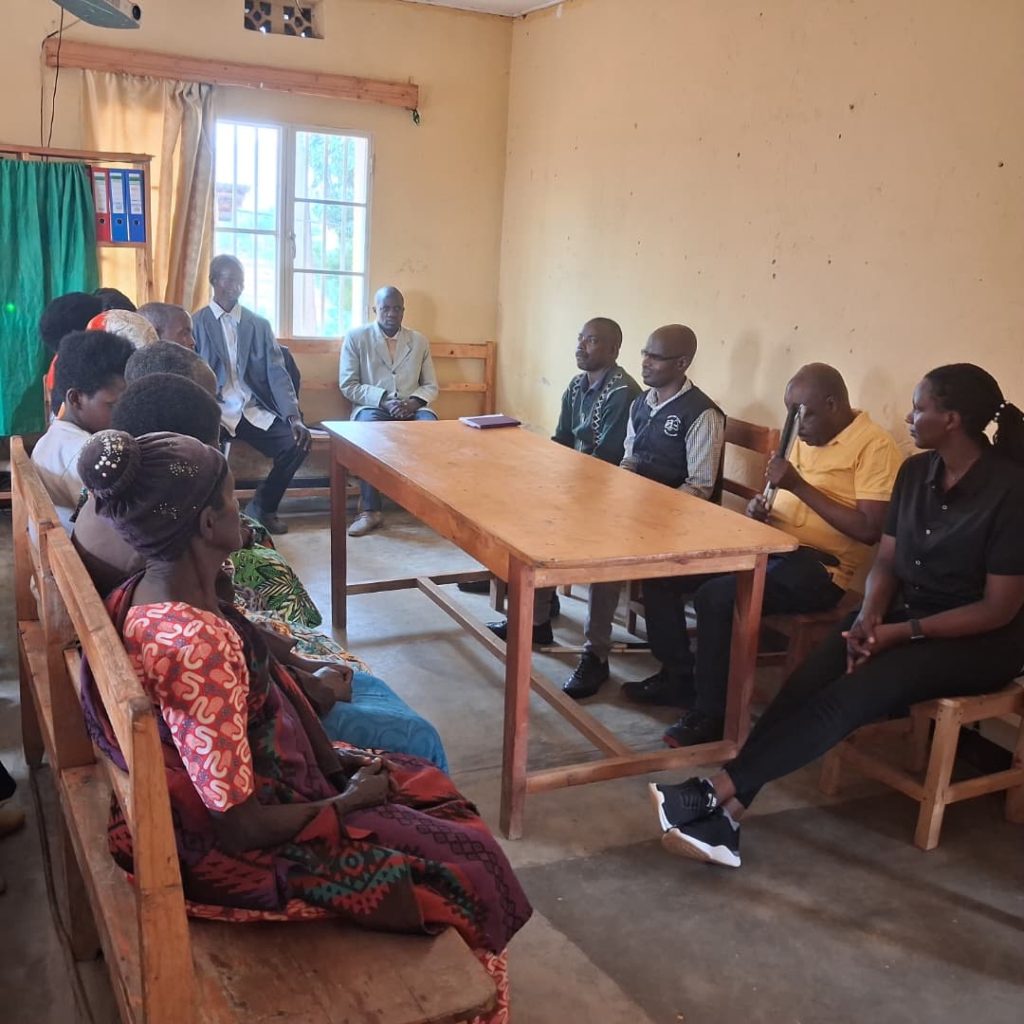
NYANZA – 29-30 September 2026 – The Rwanda Union of the Blind (RUB) has conducted a follow-up visit to its associations in Nyagisozi and Mukingo Sectors, Nyanza District, to assess their journey out of isolation and towards self-reliance. The visit was part of RUB’s capacity-building program for local associations, implemented with support from MyRight / SRF Sweden. According to the field assessment, members have continued to make strides in development through savings and internal lending groups (VSLA), livestock rearing including goats and pigs, as well as weaving activities. In Mukingo Sector, the association received a boost of One Million Rwandan Francs (RWF 1,000,000) from Nyanza District administration to help expand their livestock project. During this follow-up visit, RUB was accompanied by volunteers from the National Electoral Commission (NEC), the Joint Action Development Forum (JADF) and the District Disability Mainstreaming Officer (DMO). The initiative is aimed at strengthening inclusion, economic empowerment and civic participation of persons with visual impairment at community level.

RUB Visits Nyagisozi and Mukingo Associations in Nyanza, Members Show Progress in Savings and Livestock Read More »

RUB Sensitizes Members on Elections in Nyaruguru

NYARUGURU, Rwanda – Through the project funded by Sida through MyRight Sweden, the Rwanda Union of the Blind (RUB) has visited three associations located in three sectors of Nyaruguru District – Nyabimata, Kivu and Munini. During the visit, members of the associations were sensitized on participating in the upcoming elections. The sensitization was conducted with the support of the National Electoral Commission (NEC), which facilitated the talks and provided information on elections. RUB thanked NEC and the leadership of Nyaruguru District for their support in mobilizing and facilitating the activity. The initiative is part of RUB’s efforts to ensure that persons with visual impairment are informed, included and able to fully participate in civic and democratic processes.

RUB Sensitizes Members on Elections in Nyaruguru Read More »

RUB Beneficiaries Trained at Masaka Resource Centre Show Progress in Nyaruguru

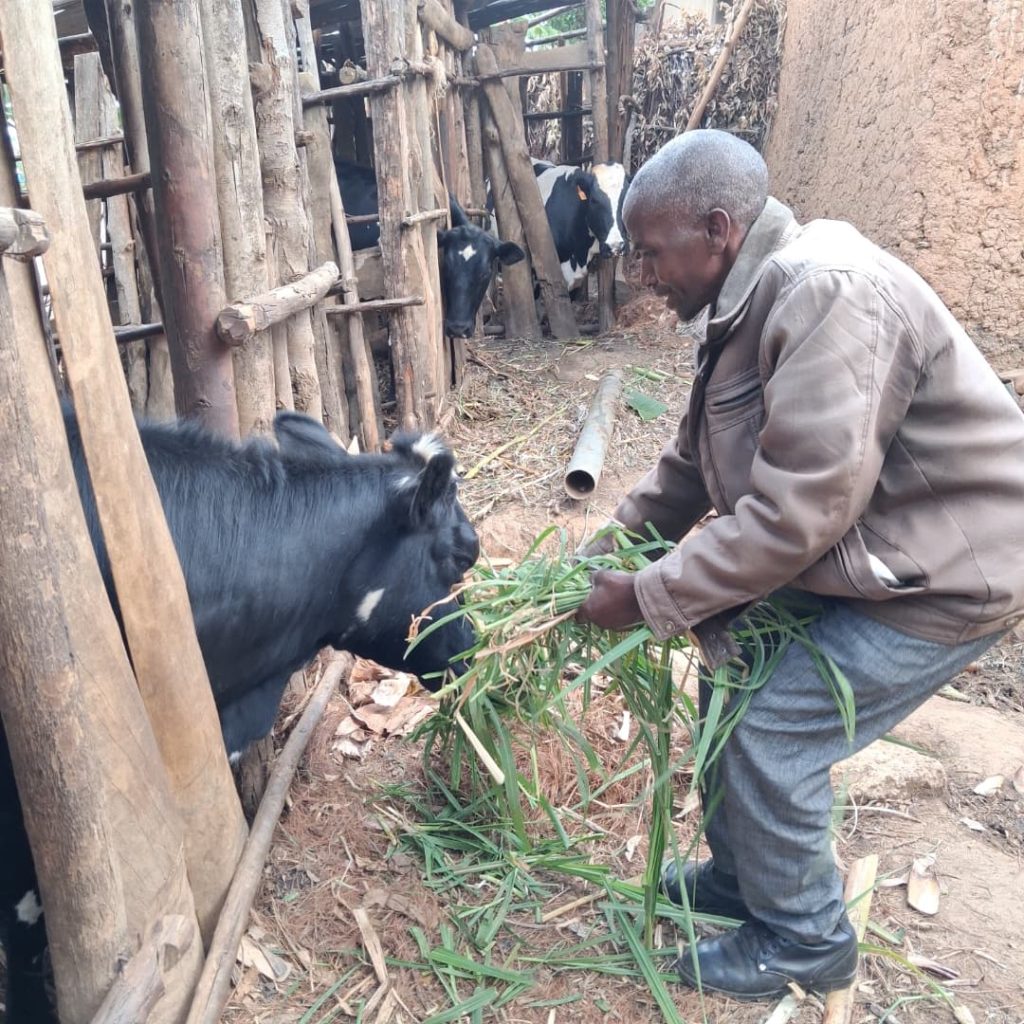
NYARUGURU, Rwanda – September 24, 2026 – The Rwanda Union of the Blind (RUB) has conducted a follow-up visit to its beneficiaries in Kivu, Nyabimata and Munini Sectors to assess their progress after training at the Masaka Resource Centre for the Blind The visit was led by the Director of the Masaka Resource Centre for the Blind, Mr. Jean Marie Vianney Mukeshimana, and aimed at seeing what the former trainees have achieved since completing their training at Masaka. A beneficiary trained at the Masaka Resource Centre for the Blind prepares fodder for his livestock at his home in Kivu Sector, Nyaruguru District, during a follow-up visit led by the Director of the Centre, Mr. Jean Marie Vianney Mukeshimana. According to the visiting team, the beneficiaries have made significant steps in self-reliance. They are rearing cows, pigs, goats, sheep and rabbits and they are able to do all that work by themselves because of what they got from Masaka. Among those visited in Kivu Sector are Ntakirutimana Reverien and Ngendabanga Sylvan. Both are heads of families, visually impaired, married and with children. They have built their own houses and are sustaining their families.In Nyabimata, the team visited Rugemintwaza Vincent, who has invested in tea farming and livestock rearing. The visit shows that skills acquired at Masaka Resource Centre for the Blind are helping beneficiaries live independently and improve their livelihoods. Photo: Livestock reared by a visually impaired beneficiary trained at Masaka Resource Centre for the Blind.

RUB Beneficiaries Trained at Masaka Resource Centre Show Progress in Nyaruguru Read More »

Habumugisha Samuel Defies Blindness to Top Rwanda’s National Exams in Languages

Gicumbi student scores 93.53% in the 2025–2026 national examinations, inspiring calls for greater support for learners with disabilities GICUMBI, Rwanda — September 2026 — Habumugisha Samuel, a blind student from Gicumbi District, has emerged as Rwanda’s top performer in the Languages section of the 2025–2026 national secondary school examinations, scoring an impressive 93.53%. His achievement highlights a remarkable journey of academic excellence and determination, while drawing attention to the importance of educational opportunities for learners with disabilities. Born in 2006, Habumugisha secured first position nationwide in the Languages combination of English, French and Kinyarwanda (LFK), with Kiswahili as an additional subject. A Journey Marked by Determination Habumugisha lost his sight at the age of eight after developing a serious eye condition at the age of four. According to his parents, he initially began his education at Kigogo Primary School near his home in Gicumbi. He later restarted Primary One at the Educational Institute for Blind Children in Kibeho, Nyaruguru District, Southern Province. It was at the Kibeho school that he continued his education through secondary school, gradually establishing himself as one of the strongest students in his class. His academic performance remained consistently strong throughout his education. “During lower primary, I used to score 90 percent. In Upper Primary, I scored around 80 percent, while in Ordinary Level I scored between 85 and 89 percent. In Advanced Level, the lowest mark I got in a term was 93 percent,” he said. “I Never Imagined That I Would Be First in the Country” Although Habumugisha believed he could achieve a score of around 93%, he said he never expected to emerge as the country’s top-performing student. “I thought I could get 93 percent, but I never imagined that I would be the first in the country. When I heard the news, I was so surprised that I cried and initially doubted it. I checked again and realised it was true. I immediately thanked God,” he said. His achievement has become a source of pride for his family and community, while highlighting the potential of learners with visual impairments when they receive opportunities and support. A Message of Confidence and Ambition For Habumugisha, the examination result represents more than academic success. It has strengthened his belief that disability should not prevent a person from pursuing their ambitions. “No one should discourage you. You have to live your own life and not base your life on other people,” he said. He now hopes to pursue university studies in either journalism or education, fields in which he intends to build on the discipline, confidence and determination developed throughout his schooling. Family Appeals for Continued Support Habumugisha’s parents and neighbours have welcomed his achievement with pride, describing it as a major source of joy for the family and the wider community. They say his success demonstrates the potential of learners with disabilities when they are given the opportunity to pursue education. The family is appealing to the Government and other stakeholders to support Habumugisha as he prepares to continue his education at university and further develop his abilities. His story also highlights the importance of strengthening inclusive education and support systems that enable talented learners with disabilities to reach their full potential. A Story of Excellence and Opportunity Habumugisha Samuel’s achievement stands as a powerful reminder that academic excellence can emerge from challenging circumstances. His journey from a young learner who lost his sight to Rwanda’s reported top performer in Languages underscores the importance of determination, educational support and access to opportunity. As he looks toward university, his family and community hope that continued support will help him build on his success and pursue his ambitions.

Habumugisha Samuel Defies Blindness to Top Rwanda’s National Exams in Languages Read More »

RUB Joins Kirehe Partners to Advance Priorities for Women and Girls

KIREHE, Rwanda — The Rwanda Union of the Blind (RUB) has joined a district-level consultation bringing together women-led organizations, women’s rights organizations and development partners to strengthen collaboration on priorities affecting women and girls in Kirehe District. RUB was represented by Muhigirwa Uwase Mireille, Project Coordinator, at the Kirehe District Partners’ Consultation Meeting held under the Powered by Women project. The meeting was convened by Kirehe District in collaboration with Profemmes Twese Hamwe. The consultation brought together members of the Women-Led Organization (LO) and Women’s Rights Organization (WRO) coalition alongside key stakeholders to review jointly identified priorities, explore opportunities for collaboration and agree on practical contributions toward their implementation. Participants also reviewed progress in the district’s planning processes and discussed areas for joint advocacy, with particular attention to women’s economic justice, gender equality and sexual and reproductive health and rights (SRHR), as well as the prevention of gender-based violence (GBV). For RUB, the discussions provided an opportunity to emphasize the importance of ensuring that women and girls with disabilities are not left behind in district-level development and advocacy initiatives. As a coalition member, RUB reaffirmed its commitment to promoting the inclusion of women and girls with disabilities, particularly those with visual impairments, in efforts addressing gender equality, economic empowerment and protection from violence. The organization also committed to contributing to joint monitoring, advocacy and information-sharing as partners move forward with implementation of the identified priorities. RUB’s participation alongside organizations including CARE, the National Women’s Council, RWAMREC, FXB and Save the Children, among other members of the district coalition, highlights the importance of coordinated action in addressing the diverse needs of women and girls. The consultation is expected to strengthen collaboration among stakeholders and support more inclusive approaches to planning and advocacy at the district level, ensuring that women and girls with disabilities are considered in policies and initiatives designed to advance gender equality and women’s rights.

RUB Joins Kirehe Partners to Advance Priorities for Women and Girls Read More »