
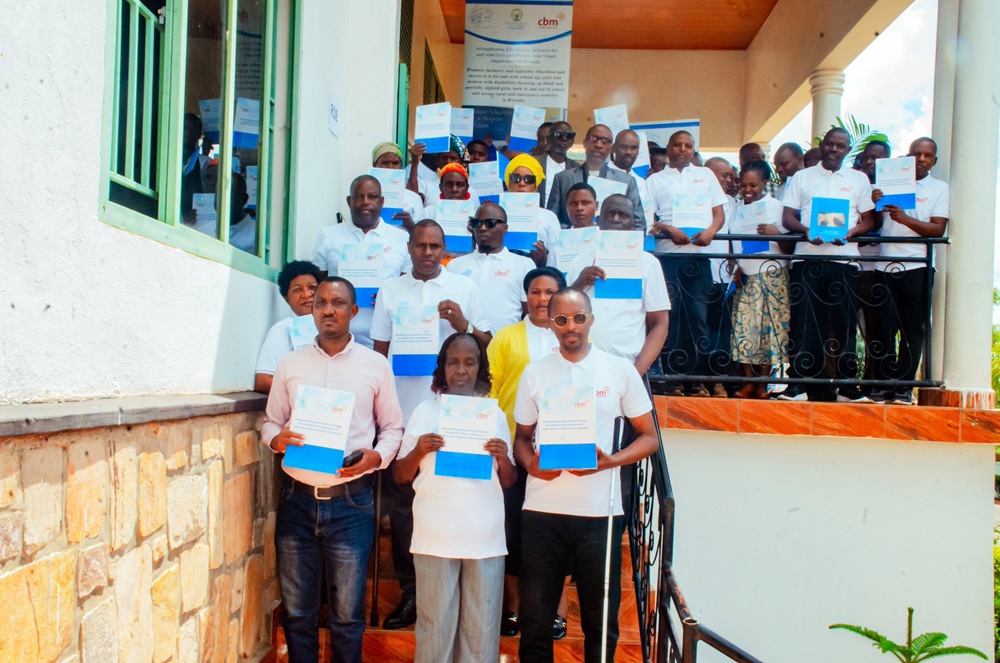
GATSIBO, Rwanda – November 20, 2026 – The Rwanda Union of the Blind (RUB) has officially launched a three-year project aimed at expanding inclusive education opportunities for girls and women with visual impairments, with implementation planned in Gatsibo and Musanze districts from 2026 to 2028.
The project, titled “Strengthening Educational Inclusion for and with Girls and Women with Visual Impairments in Rwanda,” is being implemented by RUB in partnership with Christian Blind Mission (CBM) Rwanda.
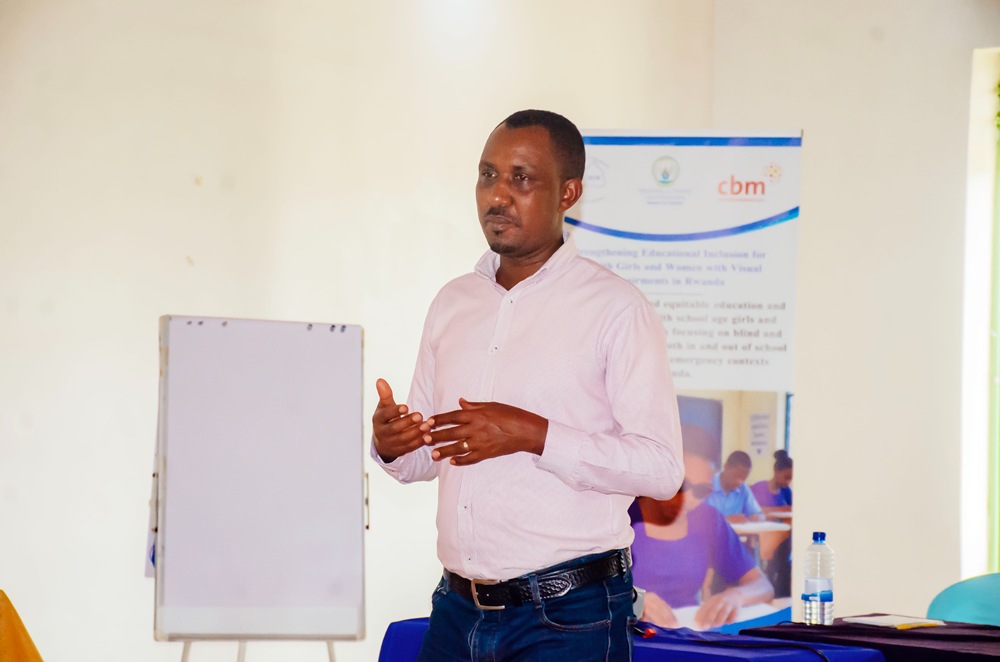
The launch ceremony in Gatsibo was attended by the Acting Mayor of Gatsibo District, Ibingira Frank, who welcomed the collaboration between the district and RUB, appreciating the initiative’s contribution to strengthening inclusive education.
He expressed appreciation for the partnership and the planned interventions, which seek to improve educational opportunities for girls and women with visual impairments.
Project targets 12,030 beneficiaries
Presenting the project, RUB Executive Director Mugisha Jaques outlined its objectives, implementation strategy, target beneficiaries and expected results.
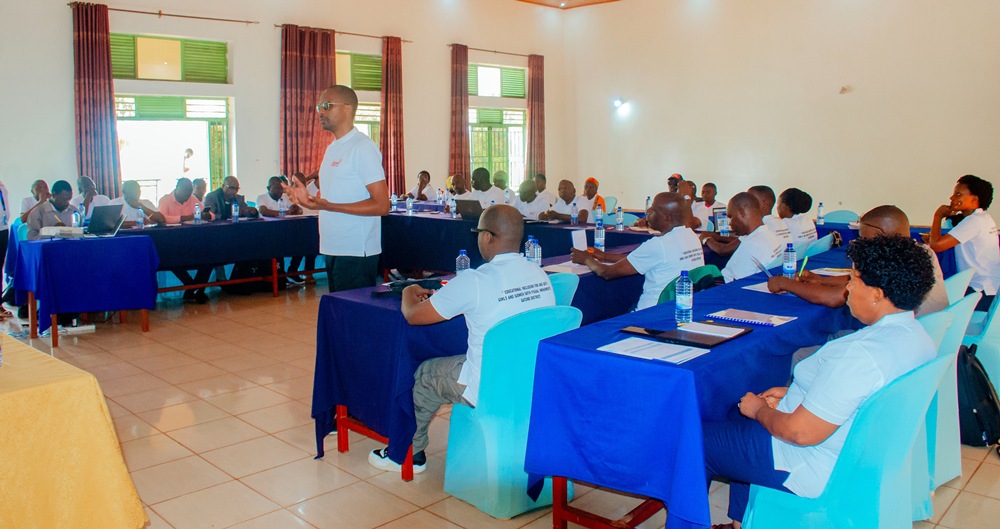
According to the project presentation, the initiative aims to reach 12,030 beneficiaries across Gatsibo and Musanze districts, with women and girls expected to account for 70 percent of the total.
In Gatsibo District, the project targets 6,015 beneficiaries, including 315 direct beneficiaries and 5,700 indirect beneficiaries.
The direct beneficiaries include blind and partially sighted girls and women who will receive support to access education, develop vocational and professional skills, and strengthen their knowledge of human rights and social justice.
The project will also support parents and caregivers, school leaders and teachers to improve their capacity to provide inclusive learning environments.
Ten schools to become inclusive model schools
A major component of the initiative is the transformation of ten selected schools into inclusive model schools, with five schools in each of the two participating districts.
The selected schools will receive support to strengthen inclusive teaching practices, improve accessibility and ensure that learners with visual impairments can enrol, remain in school and benefit from quality education.
The project will also build the capacity of school leaders, teachers and local authorities in disability inclusion and Universal Design for Learning (UDL).
Additionally, ten women with visual impairments will receive mentorship and advocacy support to become Trainers of Trainers, enabling them to share knowledge and contribute to sustaining inclusive education practices beyond the project period.
Community engagement to strengthen inclusive education
Beyond schools, the project will engage families, community leaders, faith-based organisations and other education stakeholders to address barriers that prevent children and young people with disabilities from accessing education.
In Gatsibo, the project expects to reach 600 community stakeholders, including faith-based organisations and opinion leaders.
Another 100 local leaders and community members will be trained to identify children and young people with disabilities and support their participation in inclusive education.
The initiative also plans to reach 5,000 community members through awareness campaigns promoting equal educational opportunities.
Other activities include identifying out-of-school girls and women with disabilities, updating disability-related data in collaboration with district authorities, conducting radio talk shows and strengthening coordination among education stakeholders.
Education stakeholders join the launch
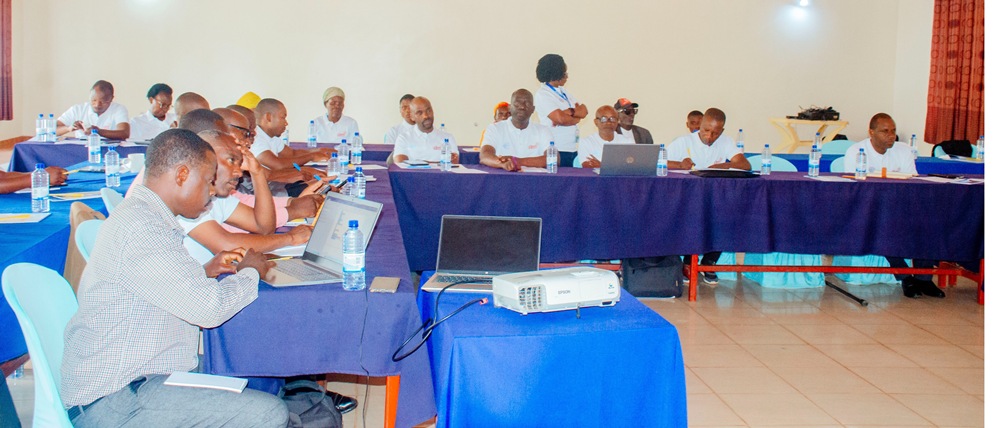
The launch ceremony brought together representatives from different institutions involved in the education sector in Gatsibo District.
Participants included Sector Education Inspectors from all 14 sectors of Gatsibo, education partners, head teachers, as well as district directors and officers.
Their participation reflected the importance of collaboration between local authorities, schools, education professionals, families and civil society organisations in advancing inclusive education.
Under the project framework, district authorities are expected to provide leadership and coordination, facilitate access to relevant data and support collaboration with schools and other stakeholders.
Schools will contribute by identifying learners with disabilities, facilitating teacher participation in training and applying inclusive teaching approaches.
Building lasting opportunities for girls and women with visual impairments
The three-year initiative is expected to contribute to improved identification, enrolment, retention and learning outcomes for girls and women with disabilities.
It also seeks to empower women with visual impairments to advocate for their rights and strengthen the capacity of educators, local authorities and families to promote inclusive education.
The project further aims to strengthen the institutional capacity of RUB and the Masaka Resource Centre for the Blind (MRCB) to serve their members more effectively.
For sustainability, the initiative will encourage district authorities to integrate inclusive education into their development plans, while trained teachers, school leaders and women serving as Trainers of Trainers will continue promoting inclusive practices.
Through its implementation in Gatsibo and Musanze, the project seeks to contribute to an education system where girls and women with visual impairments have greater opportunities to access education, participate fully in learning and realise their potential.