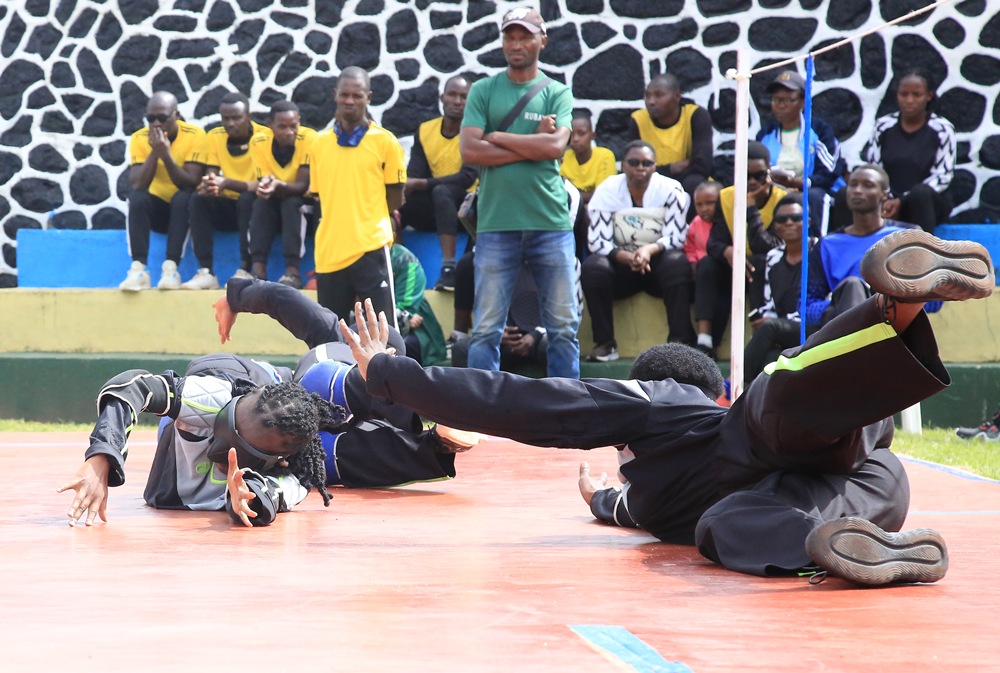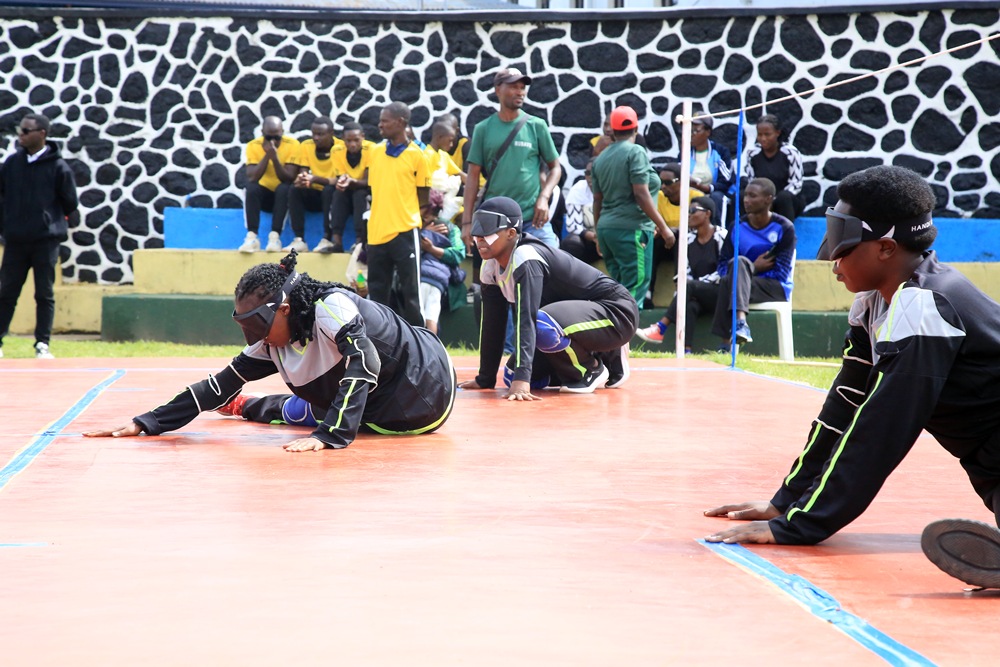
MUSANZE, Rwanda – November 21-22, 2026: The Rwanda Union of the Blind (RUB) is strengthening efforts to promote inclusive education and equal opportunities for girls and women with visual impairments through community awareness and mobilisation activities conducted during the Phase II Rwanda Goalball Competition in Musanze District.
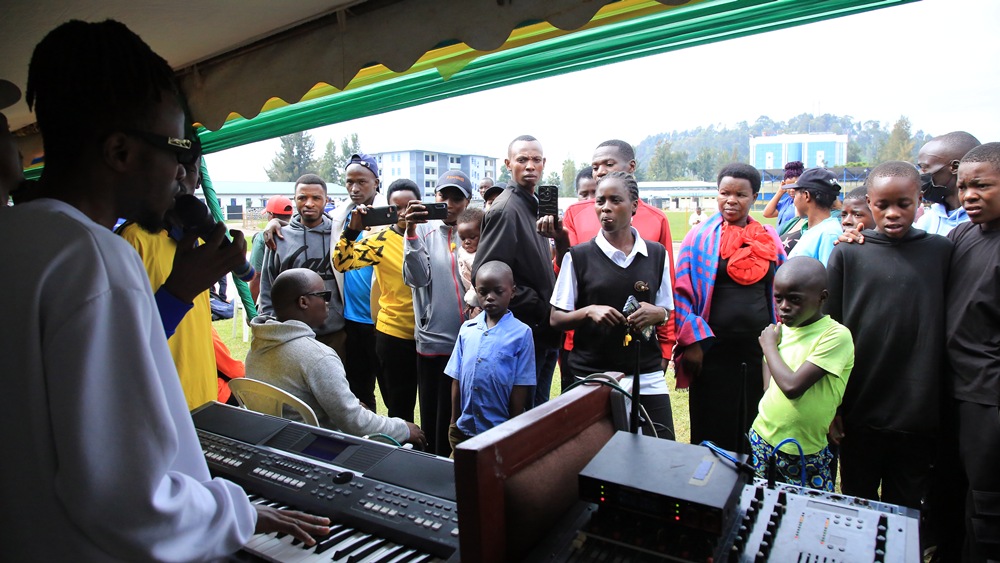
Held at Ubworoherane Stadium from November 21 to 22, 2026, the sporting event provided an important platform for engaging young persons with visual impairments, athletes, coaches and other stakeholders on the importance of education, social inclusion, economic empowerment and active participation in community life.
The awareness activities form part of the project “Strengthening Educational Inclusion for and with Girls and Women with Visual Impairments in Rwanda,” implemented by RUB with support from Christian Blind Mission (CBM) Rwanda in Musanze and Gatsibo districts.
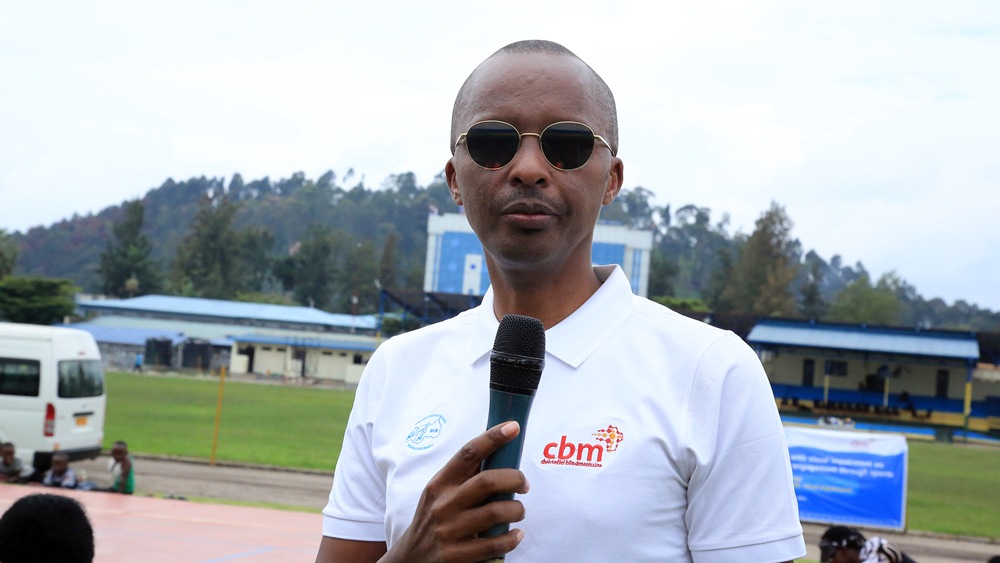
Through this initiative, RUB is seeking to strengthen understanding of the rights, abilities and educational potential of girls and women with visual impairments while encouraging families, schools, communities and local authorities to play an active role in removing barriers that prevent them from accessing education and participating fully in society.
Using sports as a platform for awareness and social inclusion
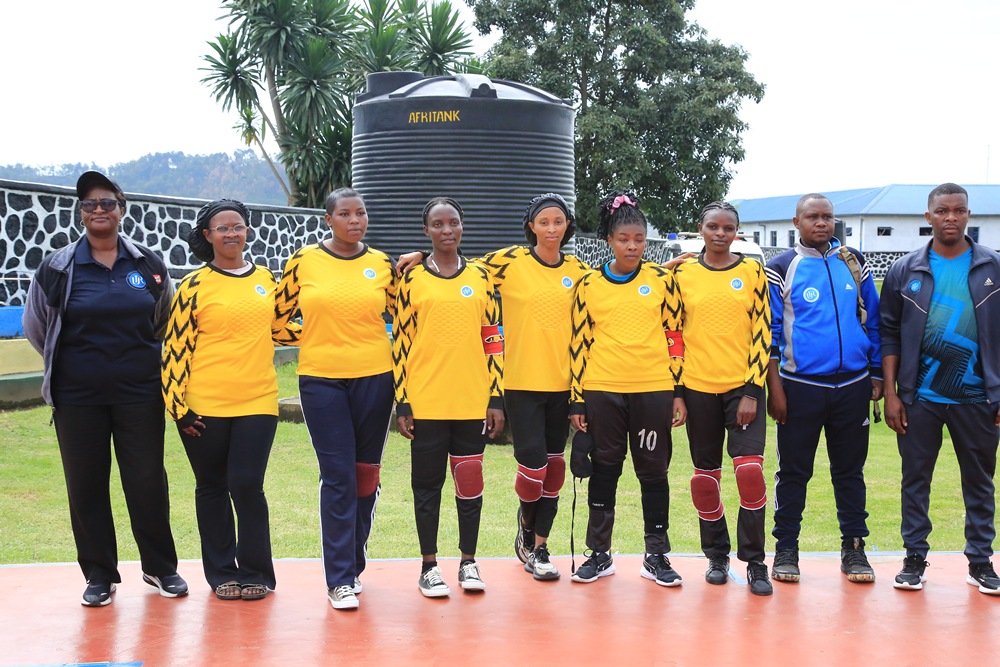
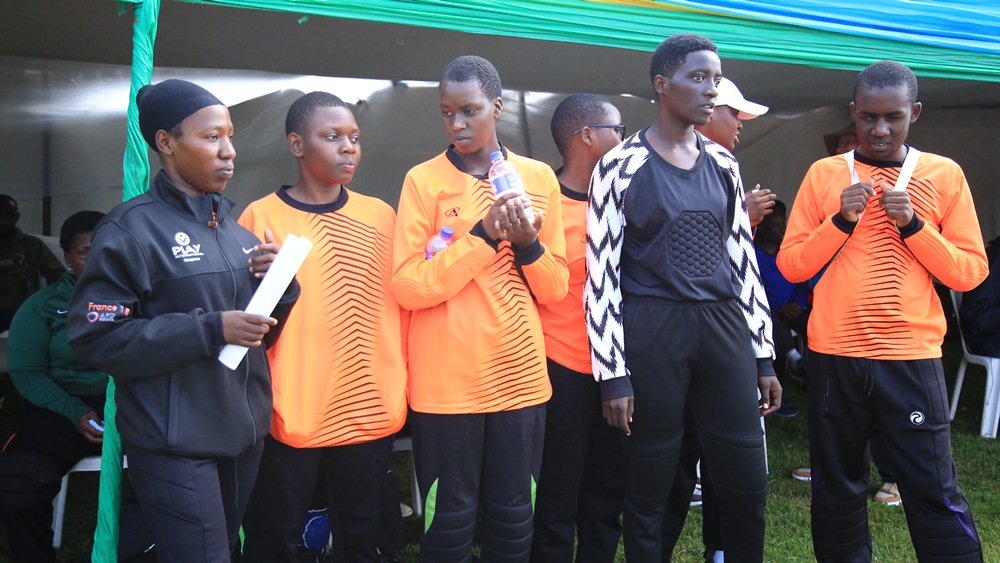
The Goalball competition brought together 23 teams, comprising 14 men’s teams and nine women’s teams, under the theme: “Goalball for Change – Opportunities for Young Persons with Visual Impairment.”
Beyond the sporting activities, RUB used the gathering to engage participants on broader issues affecting persons with visual impairments, particularly access to education, socio-economic opportunities, sports participation and civic engagement.
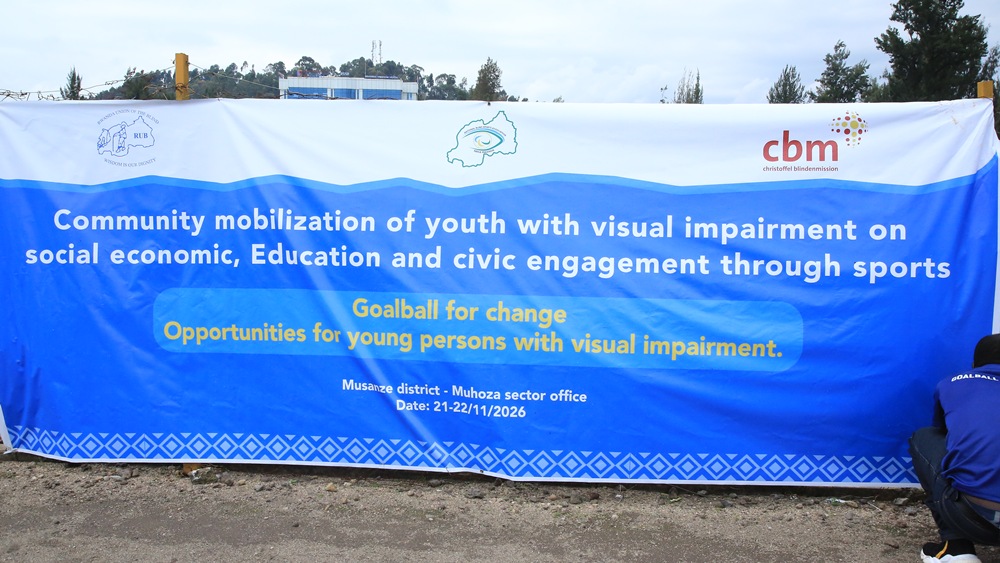
The approach recognises that sports can serve as an effective platform for reaching young people, building confidence, strengthening social connections and promoting positive attitudes towards disability inclusion.
By bringing together athletes and community stakeholders, the event also created opportunities to highlight the importance of ensuring that girls and women with visual impairments are not left behind in educational, social and economic development programmes.
RUB emphasises that inclusion requires more than providing access to physical spaces. It also involves changing attitudes, challenging stereotypes, addressing discrimination and ensuring that persons with visual impairments are recognised as active participants in decision-making and community development.
Raising awareness about the right to inclusive education
A central focus of the awareness activities was the importance of ensuring that girls and women with visual impairments enjoy equal opportunities to access, remain in and successfully complete their education.
Despite progress in disability inclusion, barriers within educational institutions and communities can continue to affect the participation of learners with visual impairments. These include inadequate accessible learning materials, limited capacity among educators, negative attitudes and insufficient support from families and communities.
Through the project, RUB seeks to encourage greater understanding of these challenges while promoting practical action among stakeholders responsible for creating inclusive learning environments.
Parents and caregivers are particularly important in this process. Their understanding and support can influence whether girls with visual impairments are encouraged to attend school, pursue further education, acquire professional skills and participate in community activities.
The initiative also seeks to strengthen the capacity of teachers, school leaders and local stakeholders to recognise and respond to the educational needs of learners with visual impairments.
A project targeting 12,030 beneficiaries
The three-year project, running from 2026 to 2028, targets 12,030 beneficiaries across Musanze and Gatsibo districts, with women expected to account for 70% of participation.
One of its major objectives is to transform ten schools into inclusive model institutions, with five schools targeted in each district.
The project also provides for capacity-building among teachers and school leaders, engagement with parents and caregivers, community awareness campaigns and the identification of girls and women with visual impairments who may be excluded from educational opportunities.
Another important component is strengthening the leadership and advocacy capacity of women with visual impairments, including mentoring ten women to become Trainers of Trainers who can contribute to promoting inclusive education and supporting other members of their communities.
Through these interventions, RUB aims to strengthen both the institutional and community environments necessary for sustainable educational inclusion.
Building community ownership through partnerships
The project recognises that improving educational opportunities for girls and women with visual impairments requires collective responsibility.
RUB is therefore engaging local authorities, educational institutions, development partners, parents, caregivers and community members to encourage shared ownership of the inclusion agenda.
The awareness activities conducted during the Musanze Goalball competition represent part of this broader engagement strategy.
The project was officially launched in Gatsibo District on November 20, 2026, and is expected to be officially launched in Musanze soon, providing another opportunity to engage local stakeholders and strengthen collaboration around its objectives.
As implementation progresses, RUB will continue advocating for inclusive educational systems and communities in which girls and women with visual impairments can access learning opportunities, develop their abilities, pursue their ambitions and contribute meaningfully to society.
For the Rwanda Union of the Blind, inclusive education is not simply about getting girls and women with visual impairments into schools. It is about creating an environment in which they are welcomed, supported, equipped to learn and empowered to realise their full potential.